
How to Plan a Company Retreat in Nigeria or Abroad Without Blowing the Budget
To plan a company retreat without overspending, start by defining what the retreat should achieve and how much your business can afford. Set a budget for accommodation, transportation, meals, activities and other expenses before choosing a destination. Compare local and international options, request group rates, book early and account for exchange rate changes if you're travelling abroad. Assign spending responsibilities, establish clear expense limits and track payments throughout the trip. After the retreat, reconcile expenses against the original budget to understand what the company actually spent.
7 minutes

A company retreat can be one of the more expensive items on your calendar, especially when you have employees travelling from different locations, staying in hotels and participating in activities over several days. As global business travel and hospitality spending continues to climb, even a modest three-day offsite can quickly eat into your annual operating budget if costs aren't tracked from day one.
The problem is that the costs rarely stop at accommodation and transportation. There are meals, airport transfers, meeting facilities, team activities, international payments and the occasional expense nobody remembered to include in the original budget.
For Nigerian businesses, planning an international retreat adds another consideration: paying vendors in foreign currencies while managing a budget approved in naira.
But you don't need an extravagant destination or an endless list of activities to organise a worthwhile retreat. What you need is a clear plan, a realistic budget and a way to keep spending under control.
Whether you're bringing your team together in Nigeria or taking them abroad, here's how to plan a company retreat without blowing the budget.
How do you plan a company retreat on a budget?
Planning a company retreat requires more than finding an attractive venue and booking enough hotel rooms. You need to consider the purpose of the trip, the number of attendees, the location, the activities and how every expense will be paid for.
The following steps can help you organise the retreat without putting unnecessary pressure on your company's finances.
Define the purpose and objectives of the retreat
Before comparing destinations or requesting hotel quotations, decide what you want the retreat to accomplish.
Are you bringing employees together to review the company's performance? Planning your goals for the coming year? Helping new employees integrate into the team? Or creating an opportunity for employees to connect outside their usual work environment?
Your objectives will determine the kind of retreat you need and how much you should spend.
For example, a two-day strategy retreat for department heads may require a quiet venue, reliable internet, meeting rooms and presentation equipment. A team-bonding retreat, on the other hand, may benefit more from shared activities, comfortable accommodation and enough time for employees to relax.
Trying to combine too many objectives can make the retreat unnecessarily expensive. You may end up paying for facilities and activities that don't contribute much to the experience.
Start with one or two primary objectives. Then decide what activities, facilities and arrangements are necessary to achieve them.
Set your company retreat budget
Once you know what the retreat should achieve, determine how much your company can comfortably spend.
Avoid choosing a destination first and trying to make the costs fit your budget afterwards. An attractive resort or international location can quickly influence your expectations, making it harder to distinguish between what the team needs and what the company can afford.
Start with an overall spending limit. Then break it down into the major expense categories.
Your company retreat budget should account for:
Accommodation: Hotel rooms, resort bookings and other lodging arrangements.
Transportation: Flights, airport transfers, car rentals, fuel and local transportation.
Food and drinks: Breakfast, lunch, dinner, refreshments and special dietary requirements.
Venue and facilities: Meeting rooms, conference equipment, internet access and other facilities.
Team activities: Excursions, games, workshops, entertainment and external facilitators.
Travel documentation: Visa fees, passports, travel insurance and other applicable requirements.
Miscellaneous expenses: Service charges, additional luggage, emergency transportation and unexpected purchases.

You should also distinguish between fixed and variable costs.
Fixed costs are expenses that generally remain the same regardless of the number of attendees, such as venue hire, facilitator fees and certain equipment rentals. Variable costs change with the number of employees, including accommodation, meals, flights and activity fees.
This helps you understand how the budget will change if more employees attend than originally planned.
For example, if your company approves a ₦10 million budget for 20 employees, your average allocation is ₦500,000 per person. However, you shouldn't simply divide every expense equally. Shared costs such as venue hire and equipment need to be accounted for separately.
Finally, set aside a contingency fund for unexpected expenses. An additional 10–15% of the approved budget is a useful planning allowance, although the appropriate amount will depend on the destination, duration and complexity of the retreat.
Choose between a local and international destination
Your destination will have a significant influence on the retreat budget. However, travelling within Nigeria isn't automatically cheaper than travelling abroad, just as an international retreat isn't necessarily more expensive.
The important thing is to compare the total cost of the experience, including transportation, accommodation, meals and activities.
Compare vendors and negotiate group rates
After shortlisting your destinations, start requesting quotations from hotels, airlines, transport companies and activity providers.
Booking early gives you more time to compare options and reduces the pressure of making expensive last-minute decisions. It also gives you an opportunity to negotiate group rates.
For example, if you're booking accommodation for 20 employees, ask the hotel whether it offers discounted rates for multiple rooms, complimentary meeting facilities or reduced meal packages.
Some providers may also offer better rates when you book several services together. A hotel that provides accommodation, meeting rooms and meals under one package could be more affordable than paying for each service separately.
However, don't assume that the first package you receive is the best deal.
Request itemised quotations and compare what each provider includes. A hotel with a slightly higher nightly rate might offer complimentary breakfast and airport transfers, saving you money elsewhere.
Before making a deposit, confirm:
What the quoted price includes.
Whether taxes and service charges are included.
The payment schedule and deadlines.
Cancellation and refund policies.
Charges for additional guests or changes in room allocation.
Whether meeting facilities and equipment attract extra fees.
Get important terms in writing. This gives your finance team a clear record of what the company has agreed to pay and helps prevent unexpected charges later.
Create a realistic retreat itinerary
Your retreat itinerary should give employees enough time to work, connect and relax without turning the entire experience into a packed schedule.
When every day includes multiple excursions, activities and entertainment options, the costs can add up quickly.
Instead, prioritise activities that support the retreat's objectives.
For example, a three-day company retreat could follow this structure:
Day | Activities |
Day 1 | Arrival, check-in, welcome dinner and informal team bonding |
Day 2 | Strategy sessions, departmental presentations, team activities and dinner |
Day 3 | Performance review, feedback, action planning and departure |
You don't need to hire an external facilitator for every session or organise an expensive excursion every evening. Department heads can lead planning sessions, employees can organise games, and the team can enjoy shared meals without paying for elaborate entertainment.
Also, ask vendors whether they offer group packages for activities. A group excursion or shared experience may cost less per employee than organising separate activities.
The goal is to create a useful and enjoyable experience, not to fill every available hour with something that costs money.
Plan for international payments and currency fluctuations
If your company is organising a retreat abroad, payment arrangements deserve as much attention as your travel plans. You may need to pay international hotels, airlines, booking platforms, event organisers and activity providers. Many of these vendors charge in US dollars or other foreign currencies.
For Nigerian businesses, this creates an additional budgeting challenge. The amount approved in naira may not be the amount the company eventually spends. Exchange rate changes, foreign transaction charges and card restrictions can affect the final cost of your bookings.
To manage this:
Budget in the currency you'll be paying with. If a hotel charges $2,000, record the amount in dollars alongside its naira equivalent. This makes it easier to monitor the actual foreign currency commitment.
Confirm payment requirements early. Find out which currencies vendors accept, whether they require deposits and when the remaining balance is due.
Account for additional charges. Check for foreign transaction fees, currency conversion costs and other charges that may apply to international payments.
Avoid relying entirely on personal cards. When employees use personal cards to pay for company travel expenses, finance teams may struggle to track transactions, process reimbursements and reconcile spending.
Keep international expenses visible. Record the original transaction currency, the amount paid, the vendor, the employee responsible and the purpose of each payment.
A business spend management platform like PIL can also help organise eligible international retreat expenses.
With PIL, businesses can create virtual US dollar cards for different teams, projects or vendors, assign card-level spending limits and monitor transactions from a central dashboard. Cards can be funded through supported options, including naira, cedis and stablecoins.
This makes it easier to separate retreat expenses from regular business spending, give authorised employees access to funds and track payments without relying entirely on personal cards.
Establish clear spending guidelines for employees
Even with an approved budget, individual spending can become difficult to control when employees aren't sure what the company will cover.
Before the retreat, communicate the expenses the company will pay for and any limits that apply.
For example:
Will the company cover meals outside scheduled group activities?
Are employees allowed to book additional activities?
Does the company cover airport transfers or only group transportation?
Are personal purchases excluded from the company budget?
What happens if an employee needs to spend more than their approved allowance?
These guidelines help prevent misunderstandings and make it easier for employees to distinguish between business expenses and personal purchases.
You should also establish an approval process for expenses outside the original plan. If an employee needs to make an additional booking or arrange alternative transportation, they should know who to contact before spending company money.
For businesses using corporate virtual cards, assigning cards and spending limits to specific teams, projects or expense categories can make these arrangements easier to manage.
Track expenses throughout the retreat
One of the easiest ways to lose control of a retreat budget is to wait until everyone returns before checking how much the company has spent.
By then, several payments may have gone unrecorded, receipts might be missing, and finance teams may have to chase employees for explanations. Instead, monitor expenses as they happen.
Maintain a central record of:
Approved budget per expense category.
Actual amount spent.
Outstanding payments.
Payments awaiting approval.
Remaining budget.
Unexpected expenses.
For international retreats, record the original transaction currency alongside the naira equivalent. This gives finance teams a clearer picture of foreign-currency spending.
If multiple employees are responsible for different aspects of the retreat, assign spending responsibilities and ensure every transaction has a clear purpose.
A shared expense tracker may be sufficient for a small retreat. For businesses managing several teams, vendors and international payments, a spend management platform can provide better visibility.
PIL gives businesses access to transaction histories and downloadable reports, making it easier to review company spending and reconcile expenses after the retreat.
Review the final expenses after the retreat
The retreat isn't financially complete just because everyone has returned to work.
Take time to compare actual spending with the original budget.
Which expenses exceeded their estimates? Were there services you paid for but didn't use? Did transportation or accommodation cost more than expected? Were there unnecessary purchases?
These questions help you understand where the money went and what you could do differently next time.
Also, collect feedback from employees. Find out which activities they found useful, what could have been better and whether the retreat achieved its original objectives.
Document the findings so your next retreat doesn't have to start from scratch.
What should a company retreat planning checklist include?
Use this checklist to track the work before, during and after the retreat. Some tasks may not apply depending on your destination, company size and retreat objectives.
Define the retreat's purpose and objectives.
Confirm the number of employees attending.
Set the overall budget and contingency allowance.
Compare local and international destinations.
Check travel documentation and entry requirements.
Request and compare vendor quotations.
Negotiate accommodation and group rates.
Confirm transportation and airport transfers.
Book accommodation and meeting facilities.
Plan meals and team activities.
Prepare a retreat itinerary.
Confirm payment schedules and deadlines.
Arrange access to funds for authorised employees.
Set employee spending limits and approval guidelines.
Track payments and expenses throughout the retreat.
Collect receipts and supporting payment records.
Reconcile actual spending against the approved budget.
Collect employee feedback and document lessons for the next retreat.
What can go wrong when planning a company retreat?
Even a well-intentioned retreat can become more expensive than expected. These are some common planning mistakes to avoid.
Choosing a destination before setting the budget. You may end up with expensive bookings that the business cannot comfortably afford.
Ignoring hidden costs. Taxes, service charges, airport transfers, additional luggage and meeting facilities can increase the final bill.
Booking too late. Delayed bookings can reduce your options and leave you paying higher rates for flights and accommodation.
Overloading the itinerary. Too many activities can increase costs without necessarily improving the retreat experience.
Failing to account for exchange rate changes. International bookings may cost more in naira than originally estimated, particularly when payments are spread across several weeks or months.
Relying on personal cards and reimbursements. This makes it harder to track employee spending and reconcile payments across different vendors.
Failing to establish spending limits. Employees may make additional purchases without knowing whether the company has approved them.
Waiting until the retreat ends to review expenses. By then, missing receipts, unrecorded payments and unexplained transactions can make reconciliation more difficult.
How can PIL help businesses manage company retreat expenses?
Retreats mean paying several vendors across borders from one budget, which makes it easy to lose track of who spent what. With PIL, you can issue a separate virtual dollar card for each cost, such as accommodation, transport and activities, and set a spending limit on each so no category drains the budget. You can follow every transaction from one dashboard, freeze a card when needed and export reports for reconciliation, and Nigerian businesses can fund their wallets in naira, cedis or stablecoins like USDT and USDC.
Watch this: How PIL works
Frequently asked questions
How much does it cost to organise a company retreat in Nigeria?
The cost depends on the number of employees, destination, duration, accommodation, transportation and planned activities. A one-day retreat at a local venue will generally have a different budget from a three-day retreat involving hotel accommodation and multiple activities. Request quotations from vendors and calculate the total cost per employee before approving the budget.
How long should a company retreat last?
A company retreat can last anywhere from one day to several days. A one-day retreat may be sufficient for strategy sessions or team bonding, while a two- or three-day retreat gives employees more time for workshops, discussions and social activities. The duration should reflect the retreat's objectives and the company's budget.
Should a company retreat be held in Nigeria or abroad?
It depends on your objectives, budget and the experience you want to create. A local retreat can reduce international travel requirements and simplify logistics. An international retreat may offer a different environment, but it also introduces additional costs such as flights, travel documentation and foreign-currency payments. Compare the total cost of both options before deciding.
Who should be responsible for planning a company retreat?
Depending on the size of the business, retreat planning can be handled by the HR, operations or administration team, with finance involved in budgeting and expense management. Assign clear responsibilities for bookings, employee communication, transportation, vendor payments and expense tracking.
How can a company reduce the cost of a retreat?
Set a budget before choosing a destination, book early, negotiate group rates, compare vendor packages and prioritise activities that support the retreat's objectives. You can also reduce costs by choosing a destination closer to where most employees are based and avoiding unnecessary additions to the itinerary.
How can businesses manage expenses during an international retreat?
Businesses can manage international retreat expenses by budgeting in the currencies vendors accept, confirming payment requirements early, assigning spending responsibilities and monitoring transactions. Corporate virtual cards with individual spending limits can also help authorised employees make eligible payments while keeping expenses visible to the finance team.
How do you measure whether a company retreat was successful?
Start by comparing the outcomes with the objectives established before the retreat. For a strategy retreat, this could mean having agreed priorities, departmental targets and action plans. For a team-bonding retreat, employee feedback and improvements in team communication may be useful indicators. Also review the final expenses to determine whether the retreat delivered value within the approved budget.

Author
Ayodeji Falaye
More Stories


Because payments shouldn’t hold your business back

Intuitive Navigation
Intuitive navigation: access anything in seconds
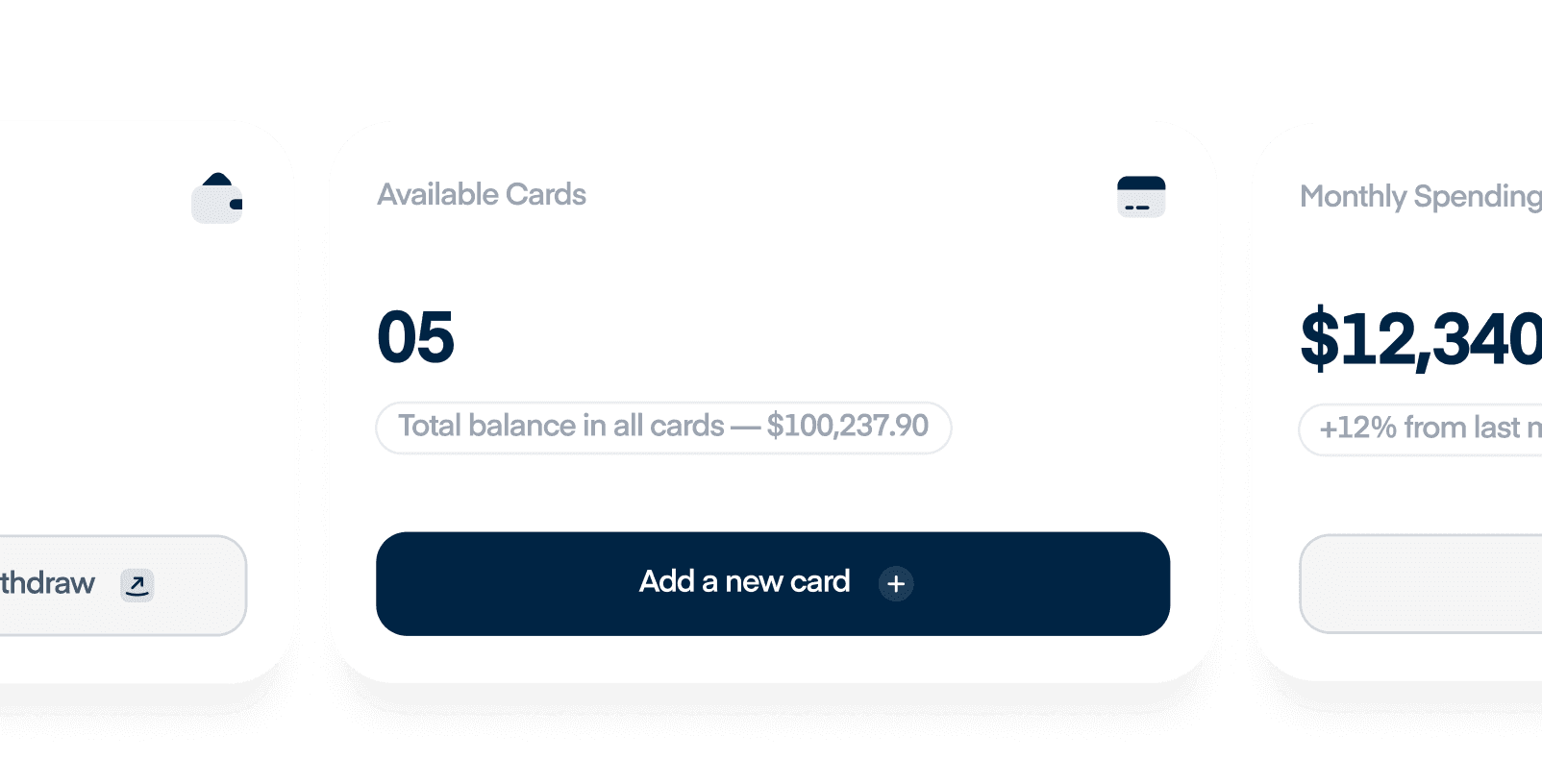
Manage Multiple Cards
Manage Multiple cards across teams and projects
Crypto funding


Fund in NGN, GHS, or Stablecoins

Team Cards
Assign cards to teams instantly
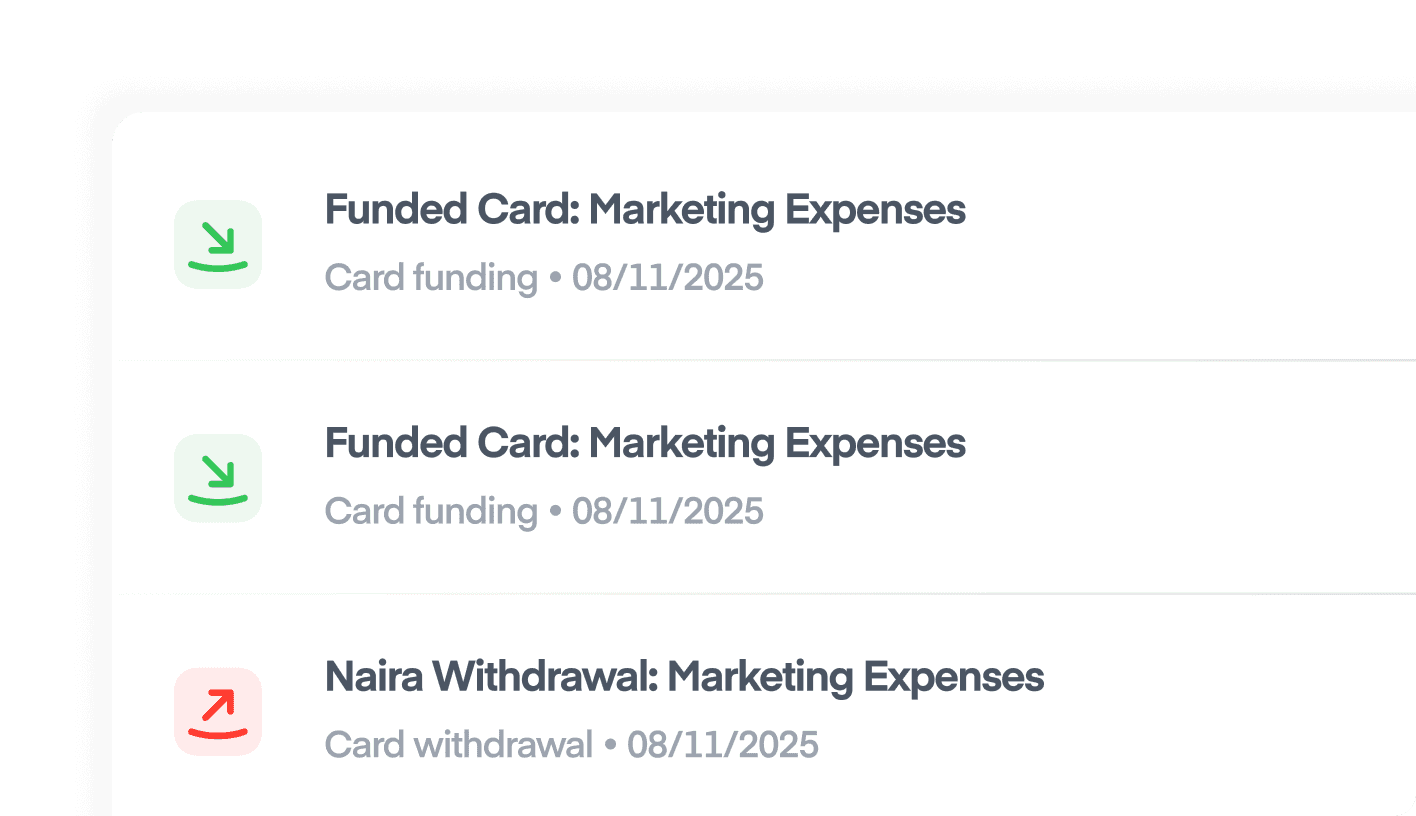
Expense Tracking
Track every expense in real time
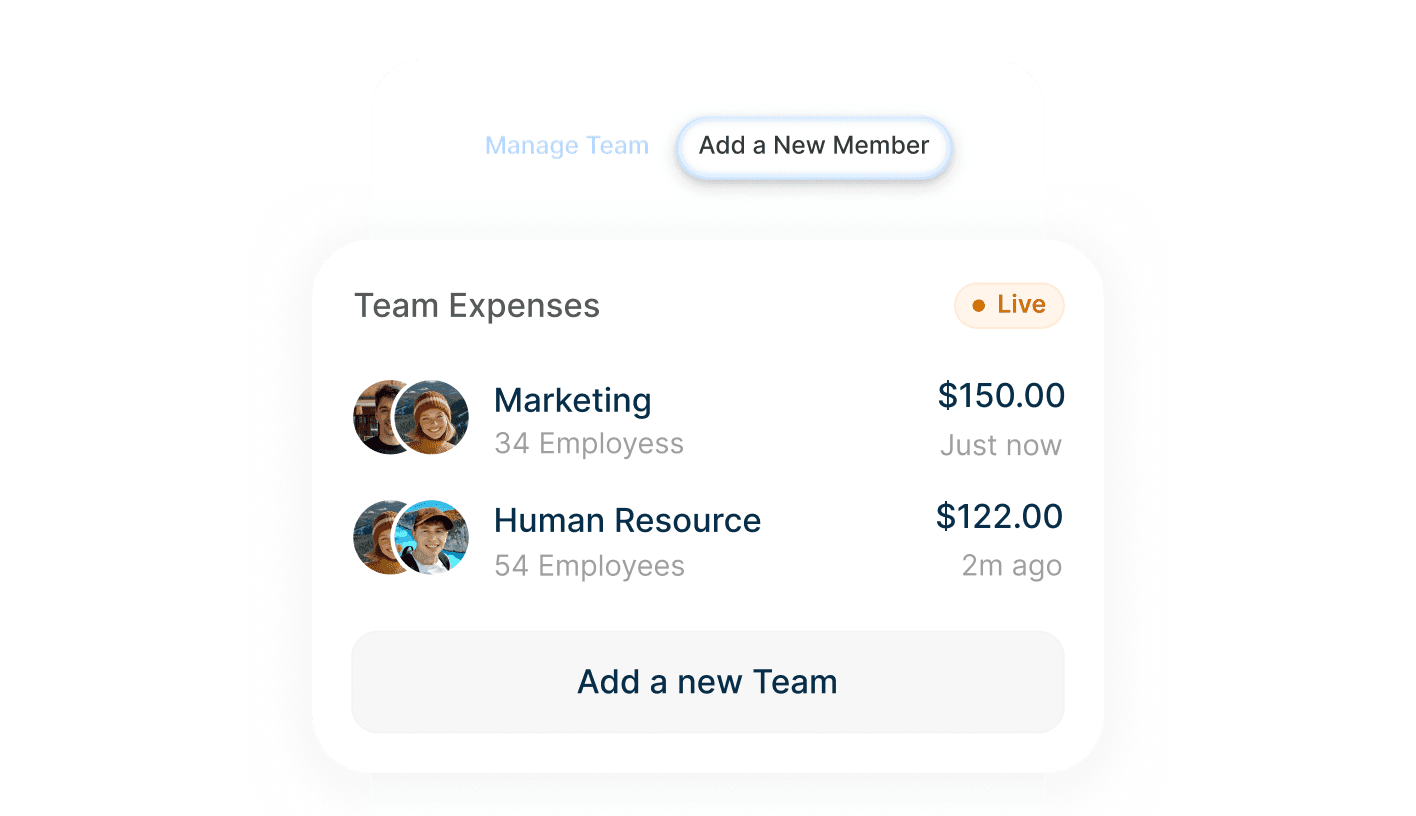
Team management
Full team management and spend oversight


Advertising