
Corporate Cards vs Individual Debit Cards: Which Is Better for Business Spending?
Corporate cards offer businesses greater control, visibility, and structure for employee spending, while individual debit cards suit simpler expenses. Virtual corporate cards add flexibility for online payments, subscriptions, teams, and international transactions.
8 Minutes

Corporate Cards vs Individual Debit Cards
A debit card and a corporate card can both pay for a business expense, but they are built for very different purposes. While an individual debit card is primarily a payment tool for one account holder. A corporate card, on the other hand, is part of a business spending system. It can give employees access to company funds while allowing the business to set spending rules, monitor transactions and manage expenses centrally.
Should your business give employees individual debit cards, or use corporate cards instead? And where do virtual cards fit into the picture? The answer depends on how your business manages employee spending, how much control you need and how many different people, teams or expenses need access to company funds. This guide would give you insight on making the suitable choice for your business needs.
What Is a Corporate Card?
A corporate card is a payment card issued by a business for company-related spending. Rather than relying on employees to use their personal cards and seek reimbursement, a company can give authorised employees access to funds through cards managed by the business.
Corporate cards can take different forms, including physical, virtual, debit, prepaid and credit cards, depending on the provider and programme. What makes them “corporate” is primarily their role within the company's spending structure. Modern corporate card programmes allow businesses to issue cards to employees, establish spending limits, monitor transactions and consolidate spending information for reporting and reconciliation.
For example, a company could provide its marketing manager with a card for advertising expenses rather than requiring the employee to pay with a personal debit card.
What Is an Individual Debit Card?
An individual debit card is linked to a particular person's bank account. When the cardholder makes a purchase, the money is deducted from the available balance in that account. For personal spending, this arrangement is straightforward. It can also work for a business owner or sole operator whose expenses are limited and who does not need to distribute spending access to other people. With individual debit cards, each card is generally centred on its cardholder, while with corporate cards, the cards can be organised around the company's broader spending structure.
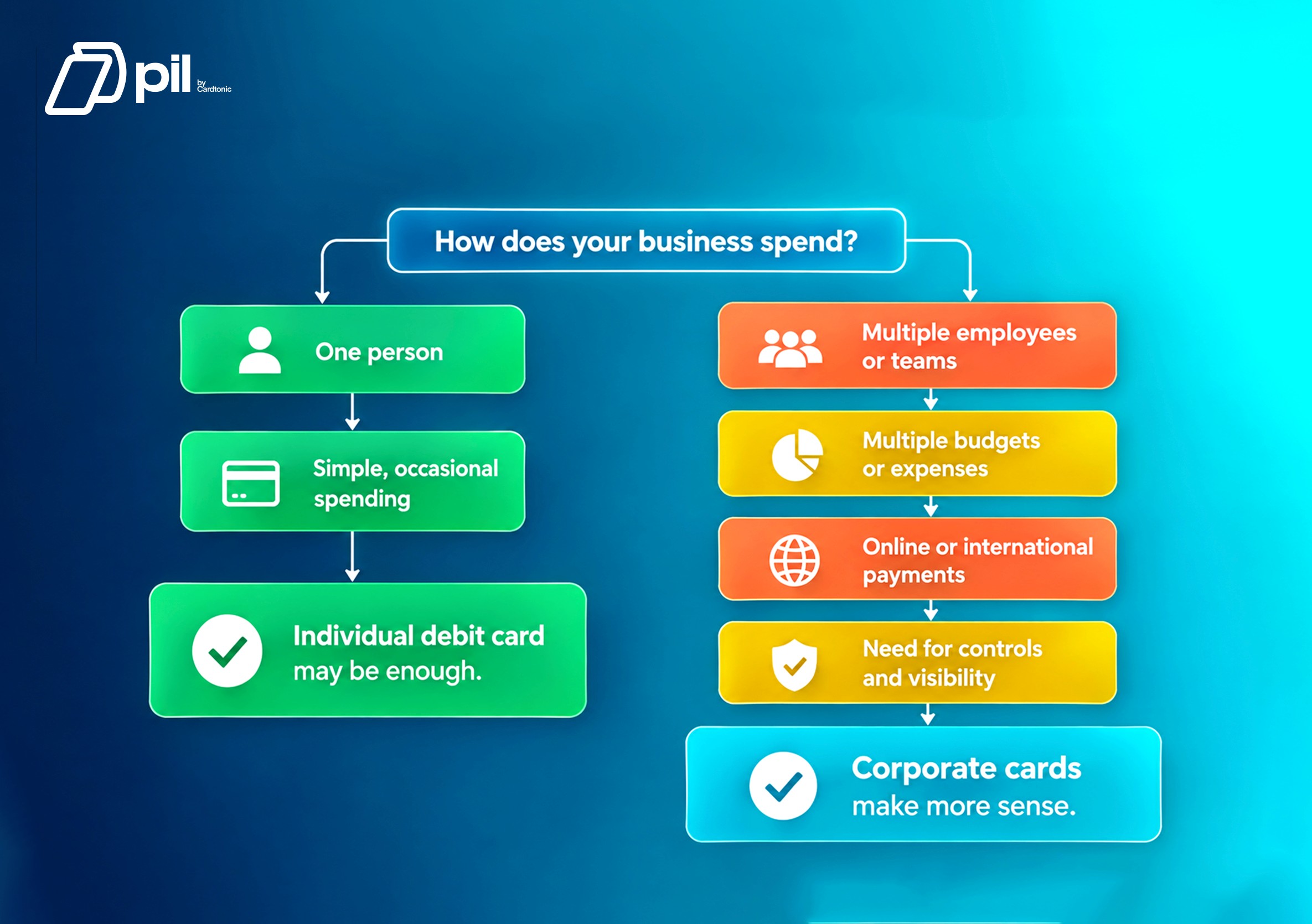
Corporate Cards vs Individual Debit Cards at a Glance
Feature | Corporate Cards | Individual Debit cards |
Primary purpose | Business spending | Individual spending |
Cardholder | Employee or authorised user | Individual account holder |
Spending controls | Often available | Usually limited |
Employee-level limits | Available with many providers | Usually unavailable |
Centralised visibility | Yes | Often limited |
Expense management | Built for business use | Usually requires additional processes |
Multiple users | Designed for this | Requires separate cards or accounts |
Virtual card options | Depends on provider | Depends on provider |
Best suited to | Teams and managed business spending | Simple, individual spending |
The key distinction is the level of control available for each card. An individual debit card gives a person access to an account, while a corporate card can give a business greater control over how, where and how much that person spends.
5 Reasons Corporate Cards are a Better Choice
Spending control
Corporate cards generally give businesses more ways to control employee spending. Depending on the provider, administrators may be able to set spending limits, establish transaction rules or restrict certain types of purchases. Some business-card platforms offer controls based on factors such as amount, merchant or spending category. An individual debit card generally gives the cardholder access to the funds available in the linked account. The business may have less control over how that spending is distributed once the card has been issued.
Employee access
Both approaches can allow employees to pay for business expenses, but they structure access differently. With individual debit cards, the card is primarily associated with one person and their account. Corporate cards, by contrast, are designed to distribute business spending access. A company can issue cards to authorised employees and, depending on the provider, establish different limits or rules for different users. This makes corporate cards useful when a business wants employees to spend independently without giving every employee unrestricted access to company funds.
Spending visibility
Individual debit cards can make business spending more fragmented when several people are making purchases. A corporate-card programme can consolidate transactions across cardholders, making it easier for finance or business administrators to see who spent what and where. This centralised view can be particularly useful for businesses managing several employees, departments or recurring expenses. Commercial card providers commonly position transaction reporting and visibility as core benefits of corporate card programmes.
Expense management
Individual debit cards can work alongside an expense-management process, but the card itself is not necessarily designed around business expense reporting. Corporate cards, on the other hand, are typically integrated into a broader business spending and expense-management system. Transaction data can be consolidated for reporting, reconciliation and, depending on the provider, accounting workflows. That can reduce the amount of manual work involved in understanding employee spending.
International and online spending
The difference also becomes apparent when businesses make frequent online or international payments. A business may need to pay for advertising platforms, software subscriptions, cloud infrastructure, travel or other services billed by international merchants. Some corporate-card and virtual-card providers are specifically designed to support these types of transactions, including payments in foreign currencies. The exact availability, exchange rates and fees depend on the provider. For businesses with significant international spending, the card itself is therefore only one consideration. Businesses should also compare supported currencies, funding methods, foreign-exchange costs and international merchant acceptance.
When Is an Individual Debit Card Enough?
A corporate card isn't automatically the better choice for every business.An individual debit card may be sufficient when:
One person manages most business expenses
The business has very few employees
Spending is relatively simple
Employees rarely need to make purchases
There is little need for individual spending limits
Manual expense tracking isn't creating significant administrative work.
For a founder running a small operation with straightforward expenses, introducing a corporate-card system may provide little additional value. The question is less about whether one card type is universally better and more about how much control and structure the business actually needs.
When Should a Business Use Corporate Cards?
Corporate cards become more useful when multiple people need to spend company money. A business may benefit from corporate cards when:
Employees regularly make purchases on its behalf
Different teams have separate budgets
Employees need independent spending access
Finance needs centralised transaction visibility
The company manages recurring subscriptions
Advertising spend is distributed across several platforms
Employees travel or make other operational purchases
The business wants to establish clearer spending policies
The advantage is being able to separate employee access from overall control of company funds.
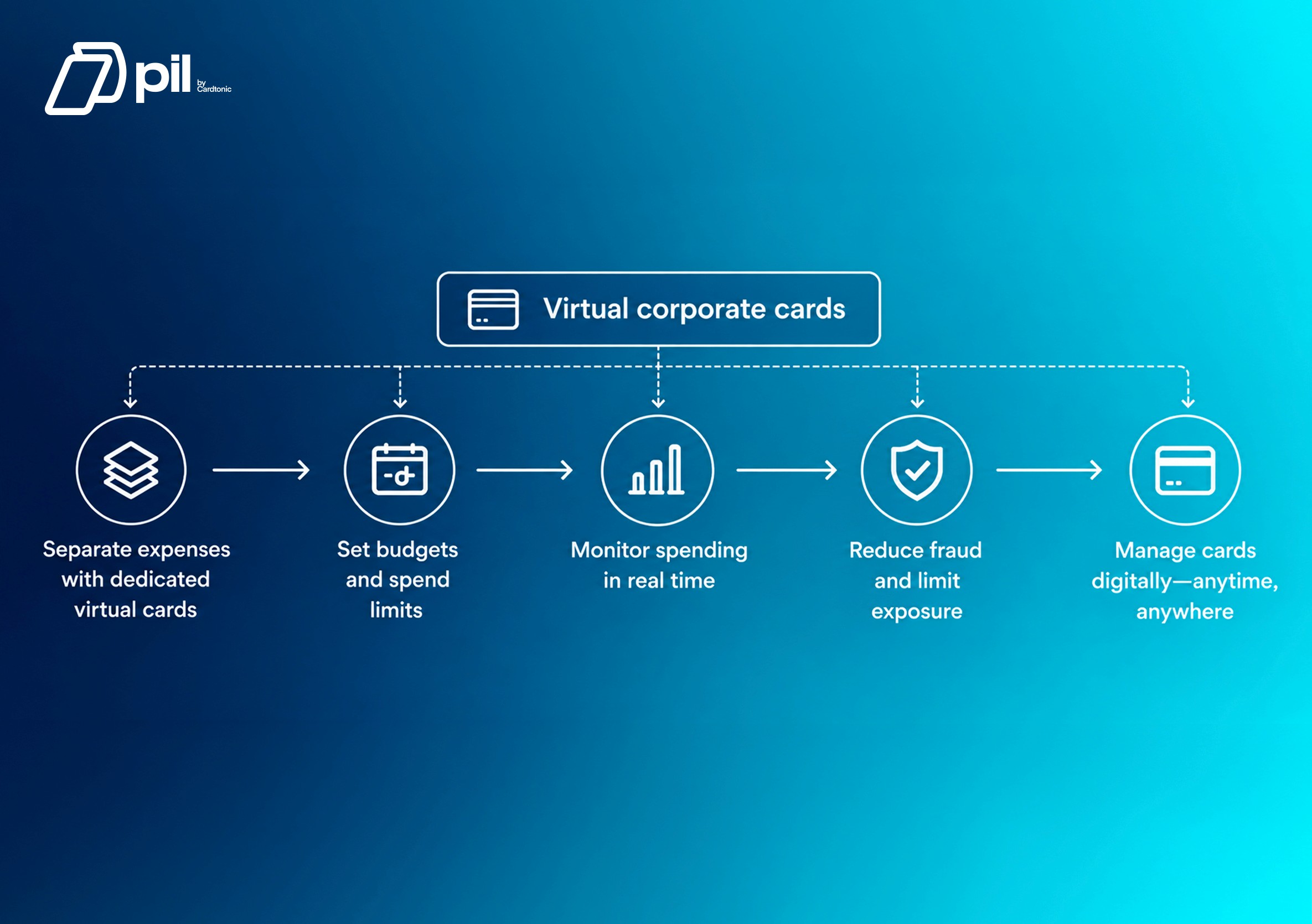
Using Virtual Corporate Cards for Business Spending
Both Individual and corporate cards can be virtual. Virtual corporate cards, however, are useful for online business spending because businesses can create separate cards for specific employees, vendors, subscriptions, projects or spending categories. Depending on the provider, each card can also have its own limits and controls.
For example, instead of giving one physical card to a marketing team, a business could create separate virtual cards for Meta advertising, Google Ads, SaaS subscriptions, etc. This makes virtual cards more than a digital substitute for plastic. They can become a way of structuring business spending around specific purposes.
Virtual cards are also vital for businesses with a high volume of online or recurring payments. They can help businesses:
Separate expenses: Create different cards for different spending categories, teams or vendors.
Control budgets: Assign specific spending limits to individual cards where the provider supports it.
Reduce exposure: Use separate card credentials instead of repeatedly sharing a primary business card number.
Manage employee spending: Give employees access to business funds without necessarily giving them access to the company's broader account.
Handle recurring payments: Use dedicated cards for software subscriptions, advertising accounts and other recurring charges.
Manage cards digitally: Create, freeze or terminate cards without handling physical cards, depending on the provider.
For businesses operating in Africa, business-card decisions can involve more than employee spending. Many companies need to pay international vendors for software, advertising, cloud services and other digital products. Businesses may also operate across multiple currencies while making payments in USD.
That makes factors such as foreign-exchange costs, funding options, supported currencies and international payment acceptance important when choosing a business card. A virtual USD card, therefore, is instrumental for businesses that make frequent online payments to international merchants.
However, the right solution depends on the provider. When choosing a virtual business card provider, you should put into consideration its fees, funding methods, transaction limits, supported currencies, security controls and expense-management features.
Which Should You Choose Between Corporate Cards and Individual Debit Cards?
There is no universal winner. An individual debit card can be practical when business spending is limited, concentrated among a small number of people and relatively easy to track. But a corporate card is generally more suitable when multiple employees need to spend company money and the business needs greater visibility, control and structure.
Much of modern spending happens online and for businesses, there’s a rising need to create separate payment credentials for employees, teams, vendors or specific expenses. Therefore, a recommended choice would be to use the virtual forms of whatever card you settle for.
Frequently Asked Questions
Is a corporate card the same as a debit card?
No. “Corporate card” refers to a card issued for business use, while “debit card” describes how the card accesses funds. A corporate card can be a debit card, credit card, prepaid card or virtual card depending on the provider.
Can employees have corporate cards?
Yes. Businesses can issue corporate cards to authorised employees for approved business expenses. Depending on the provider, businesses may also set spending limits and other controls.
Are virtual cards for businesses safe?
Virtual cards can provide additional control by allowing businesses to create separate card credentials and, depending on the provider, apply spending limits, monitor transactions and freeze or terminate cards.
Should employees use their personal debit cards for business expenses?
They can, but doing so may create additional reimbursement and record-keeping work. A business card can give employees direct access to approved company funds instead.
What is the best card for employee expenses?
The best option depends on the company's spending needs. Businesses with multiple employees may benefit from corporate or virtual corporate cards that provide employee-level access, spending controls and centralised visibility.
Are corporate cards better than debit cards for small businesses?
Not necessarily. A small business with simple spending may be well served by a debit card. Corporate cards become more valuable when multiple employees need spending access or when the business requires greater control and visibility.
Conclusion
For businesses with simple, centralised spending, an individual debit card may be enough. But as expenses spread across employees, teams and vendors, corporate cards provide a more structured way to distribute spending access while maintaining centralised control. And when much of that spending happens online, virtual corporate cards take this a step further, allowing businesses to create purpose-specific cards for different expenses while keeping all spending under one centralised system.
How PIL Helps Businesses Manage Employee Spending
PIL gives businesses a simpler way to put company spending in the right hands without losing control of the money. Create virtual cards for employees, teams or specific expenses, set them up around needs like advertising, subscriptions and cloud services, and manage them all from one place. Businesses can fund their PIL wallets in NGN, GHS or stablecoins, spend in USD, monitor transactions and export statements when they need them. With up to eight cards per business, PIL gives employees the access they need to get work done while keeping every card, payment and expense within the business’s control.
Ready to move beyond individual debit cards? Create your first virtual card with PIL.
More Stories


Because payments shouldn’t hold your business back

Intuitive Navigation
Intuitive navigation: access anything in seconds
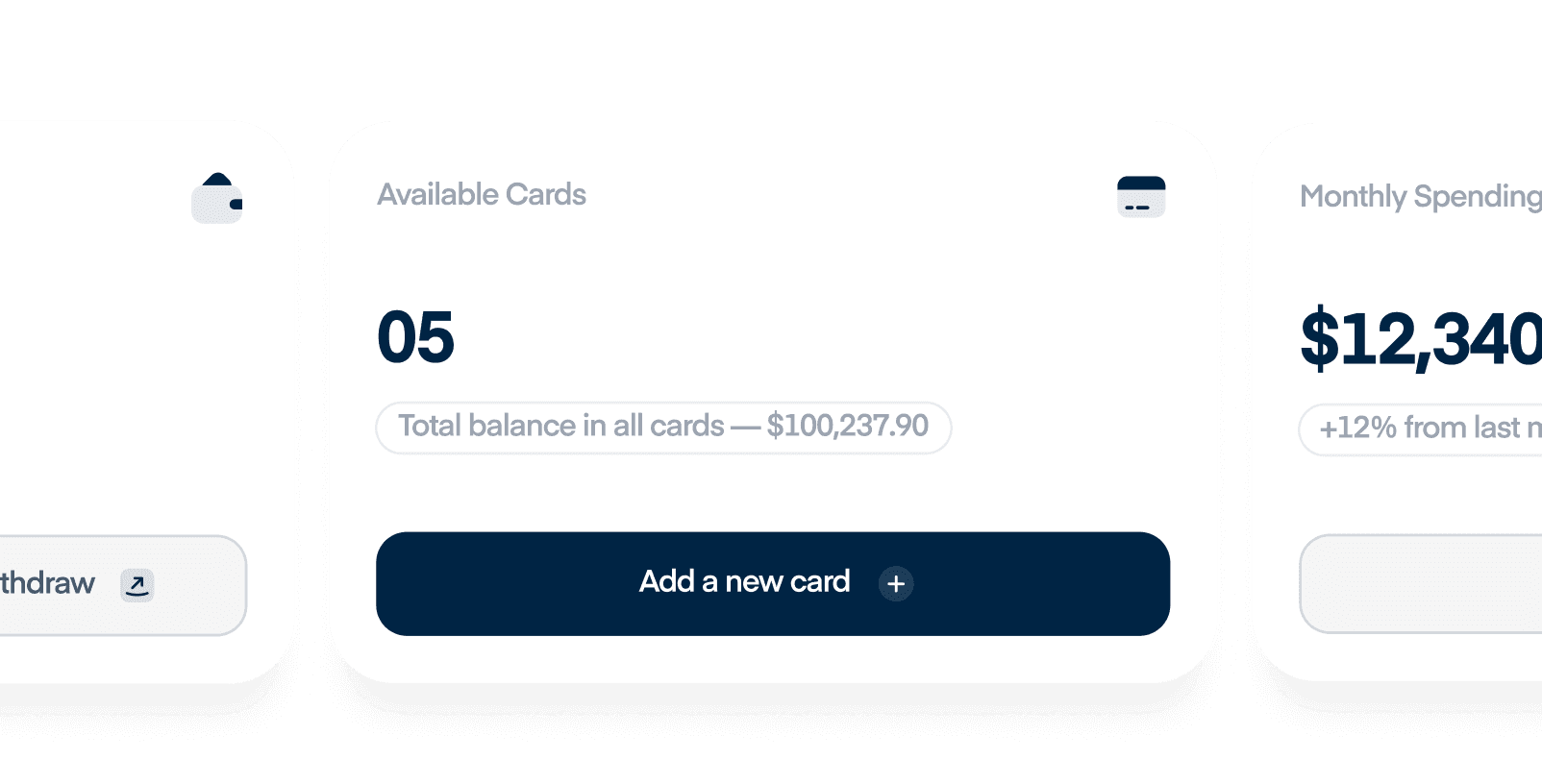
Manage Multiple Cards
Manage Multiple cards across teams and projects
Crypto funding


Fund in NGN, GHS, or Stablecoins

Team Cards
Assign cards to teams instantly
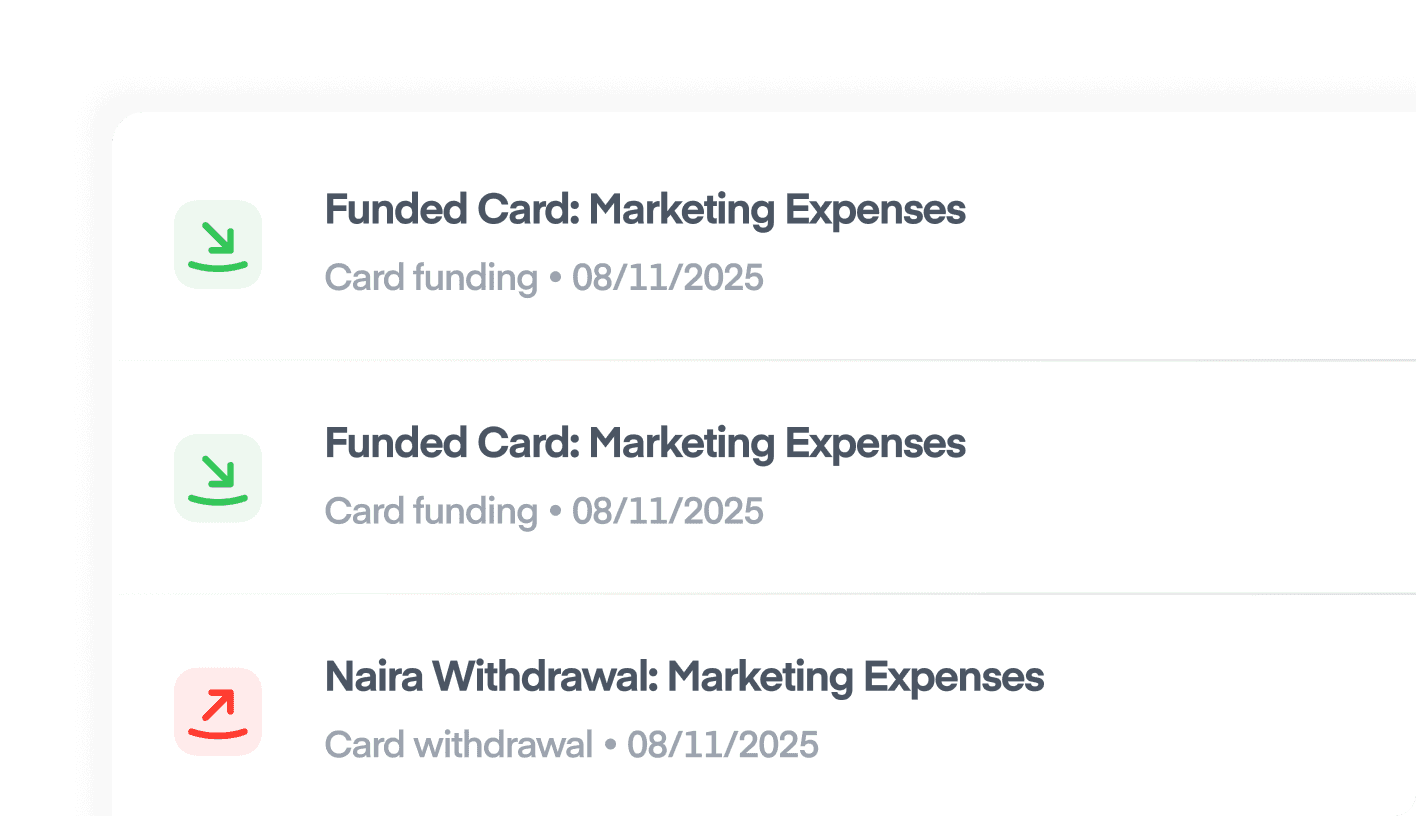
Expense Tracking
Track every expense in real time
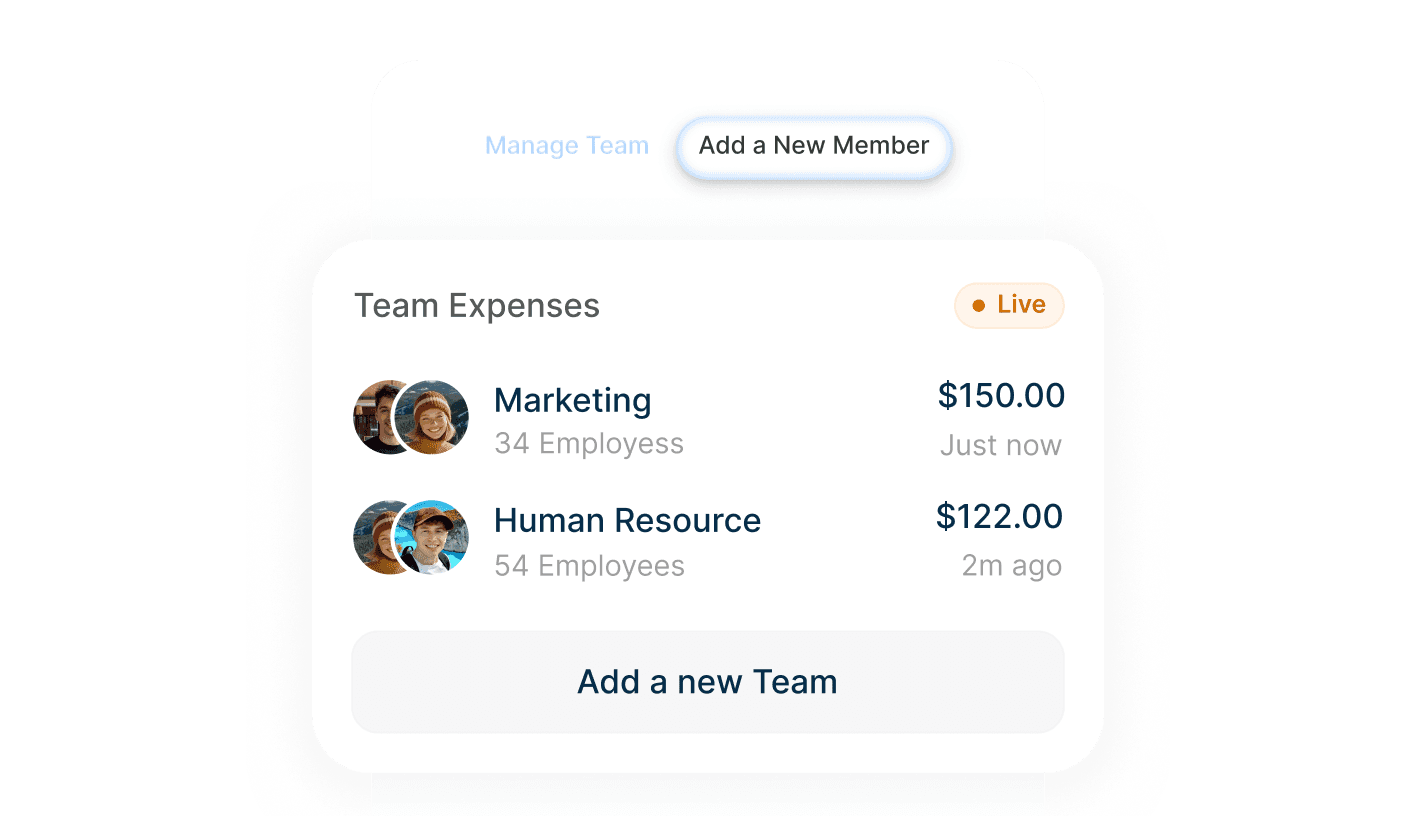
Team management
Full team management and spend oversight


Advertising