
8 Signs Your Company Has a Spend Management Problem
TL;DR: A spend management problem shows up as delayed expense reports, surprise subscription charges, no real-time visibility into who spent what, and finance teams reconciling receipts days or weeks after the money is already gone. If more than two or three of the signs below sound familiar, your company likely needs a structured spend management system rather than a patchwork of personal cards and spreadsheets.
8 Minutes

Every growing business hits this wall eventually. In a business’s lifecycle, spending may start simple. At that stage, it’s usually one founder, one card, one spreadsheet until teams begin to grow, tools multiply, and ad campaigns scale.
Somewhere in that growth, visibility into where money is actually going quietly breaks down. And Gartner has warned that organisations that fail to establish centralised visibility and coordinate their SaaS lifecycles will overspend on SaaS by at least 25%, because of unused entitlements and unnecessary or overlapping tools.
The tricky part is that spend management problems rarely show up as one big obvious failure. They show up as small frictions that compound, but like they say: the signs are always there.
How Do I Know My Company Has A Spend Management Problem?

You find out about a failed payment after it already hurt you
If your first sign that an ad campaign paused or a SaaS tool got suspended is a customer complaint or a dead dashboard, that's a visibility gap. Businesses running on a single shared card or manual top-ups are one insufficient-funds error away from a stalled campaign or a locked-out team. So what does healthy spend management look like? Prompt balance alerts before a payment is due, dedicated funding per card or project, and payments that don't depend on someone remembering to "top up the account" before month-end.
Payment approvals happen in chats
Capture Expense's 2025 analysis of over 371,000 expense claims found only 2.6% were approved the same day, while nearly 27% took more than 30 days, and 78% of rejections were tied to vague or incomplete information: the same failure mode that shows up when approval happens in scattered chats instead of a structured record. A structured workflow keeps the request, decision, and transaction in one process, so the audit trail doesn't depend on anyone's message history. WhatsApp and Slack aren't the problem, they were just never built to be a system of record for spending decisions.
Every team member has their own "system"
If one person tracks spend in a spreadsheet, another keeps receipts in a shoebox (digital or literal), and a person third just remembers "roughly" what they spent, then the team is way overdue for a functional spend management system. When spend tracking depends on individual discipline instead of a shared platform, definitely there would be gaps and they usually surface at the worst time, like tax season or a funding round due diligence request. If answering a simple spend question means pulling bank statements, cross-referencing three invoices, and messaging four team leads, your reporting is technically non-existent. Real-time dashboards should make this a five-second lookup, not a half-day project.
You're still sharing one card across multiple people
Shared cards feel efficient until something goes wrong. Imagine the card gets frozen for "suspicious activity" because five different people are using it from five different locations, or one team's overspend blocks another team's essential purchase; what do you do then?
Currency conversion is eating into your margins
Businesses paying for global tools and ad platforms (Meta, Google, AWS, LinkedIn) while funding from a local-currency account often lose money twice: once on unfavorable conversion rates, and again on failed payments when local cards get flagged for "unusual" foreign transactions. If you're doing manual math to figure out what a USD subscription actually costs in your local currency each month, that's a sign your payment infrastructure is the problem, and not your budget.
Approvals happen after the money is already spent
Ask most finance leads how approval happens within their teams, and a number of them will tell you the same thing: someone spent the money, then explained it later. But real spend control happens before the charge, through limits set on the card, the project, or the team, so a purchase either fits the budget or simply can't go through. Without that, every approval process is really just a debrief.
Finance spends more time reconciling than analyzing
If your finance or ops lead's month is dominated by chasing receipts and matching transactions to categories by hand, their time is going toward data entry instead of financial strategy. The cost is in the cash flow forecasting and budget analysis that keep getting pushed aside because reconciliation takes priority on the calendar.
You can't answer "who spent what, where, and why" by department
As teams scale, spend needs to be attributable by department, by campaign, by client, especially for agencies. If your current setup can't break down spend this way without manual tagging after the fact, you don't have a spend management system. You have a pile of transactions instead.
Why Expense Management Tools Alone Will Not Fix These Problems
The instinctive response in many cases is often to look for an expense management tool. But most of the signs above are not expense management problems. They exist in the layer above individual expense reports, in the infrastructure that governs how money moves through the business before anyone submits a receipt.
Expense management is a fragment of spend management handling spending that has already happened and needs to be documented and approved. Spend management governs spending before it happens, through dedicated payment methods with defined limits, structured approval workflows, real-time visibility across every transaction, and reporting that is produced by the payment process rather than assembled afterward.
How Many of These Signs Apply to Your Business?
If one or two of these signs apply, the informal system is showing early warning signals. If three or more apply regularly, the business has outgrown its financial infrastructure and the cost is accumulating quietly.
The problem underneath is that there’s no real structure around spending until the money is already gone. The fix is to move beyond a shared card and a spreadsheet and put a system in place that gives you:
Dedicated virtual cards per team, project, or vendor, so one team's spend never blocks another's
Real-time dashboards that answer spend questions in seconds, not days
Flexible funding that lets you fund locally and spend globally without forex friction
Role-based access and limits so approvals happen before the charge, not after
Automatic tracking by team, project, or client so reporting doesn't require manual reconstruction
This is exactly the gap platforms like PIL are built to close. PIL is a business spend management platform built for African businesses, providing virtual dollar cards per team or project, a multi-currency wallet funded in Naira, Cedi, or stablecoins, real-time transaction visibility across every card, and per-card statements exportable as PDF or CSV on demand. It was built for the specific combination of challenges that African businesses navigate. Think local currency funding, global platform acceptance, team-level spend controls, and payment reliability that shared cards and personal accounts cannot provide.
(Create your PIL account and start managing business spend properly)
Frequently Asked Questions
What is spend management?
Spend management is the set of processes and infrastructure that govern how a business's money moves before it's spent, through dedicated payment methods, defined limits, structured approval workflows, and real-time visibility across every transaction, rather than tracking and reconciling spend after the fact.
What are the signs a business needs spend management software?
Common signs include shared cards causing payment failures, subscriptions renewing without approval, finance teams spending more time reconciling than analyzing, and an inability to break down spend by team, project, or client without manual work.
How do virtual corporate cards help with spend management?
Virtual corporate cards let businesses issue dedicated cards per team, project, or vendor with individual spending limits, which prevents one overspend from affecting unrelated purchases and makes spend automatically traceable to its source.
Is spend management only a problem for large companies?
No, spend management problems often start earlier in smaller, fast-growing companies and agencies, where informal systems (one shared card, manual spreadsheets) break down faster than the business can build formal processes to replace them.
Author
Ayodeji Falaye
More Stories


Because payments shouldn’t hold your business back

Intuitive Navigation
Intuitive navigation: access anything in seconds
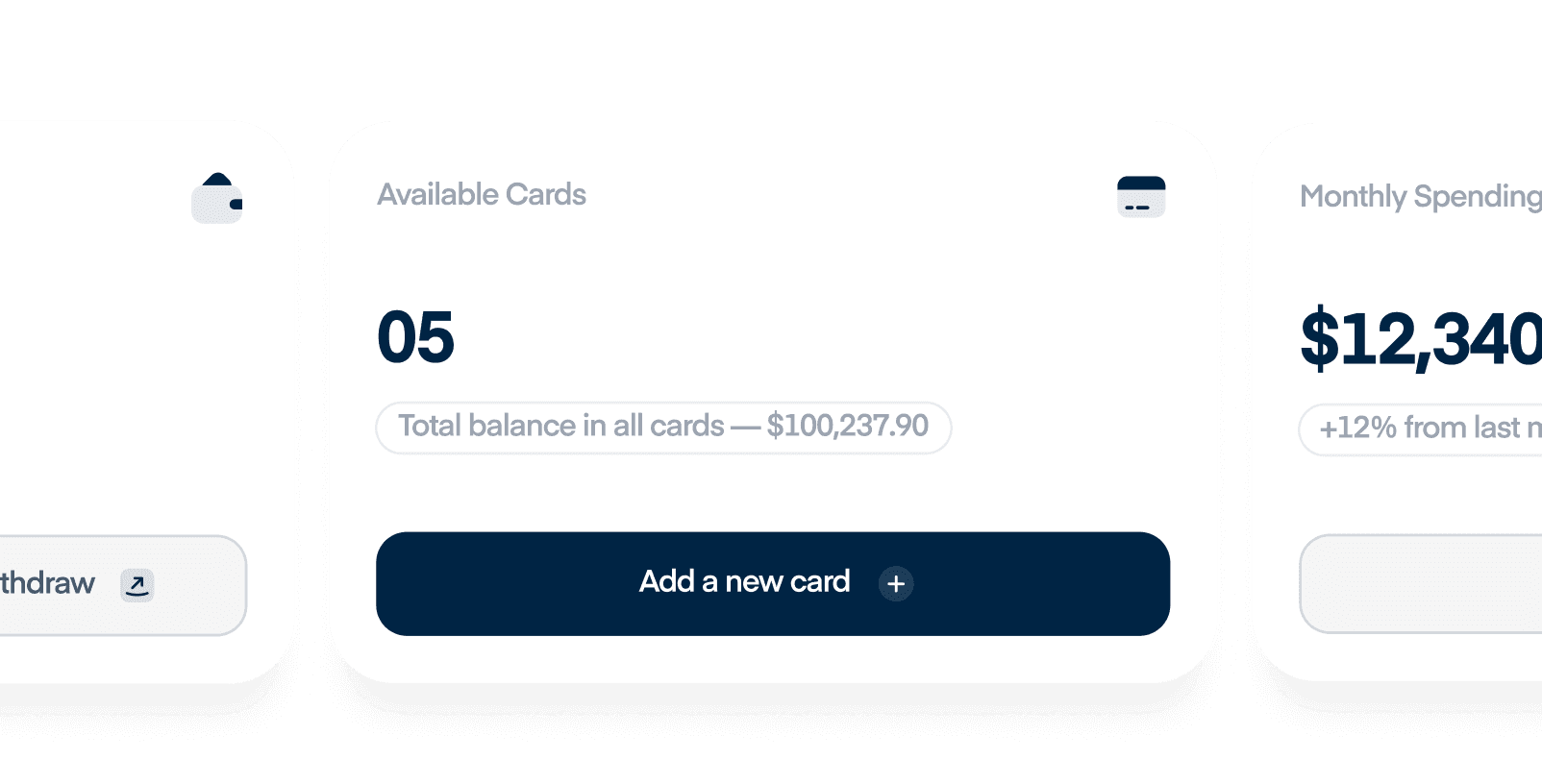
Manage Multiple Cards
Manage Multiple cards across teams and projects
Crypto funding


Fund in NGN, GHS, or Stablecoins

Team Cards
Assign cards to teams instantly
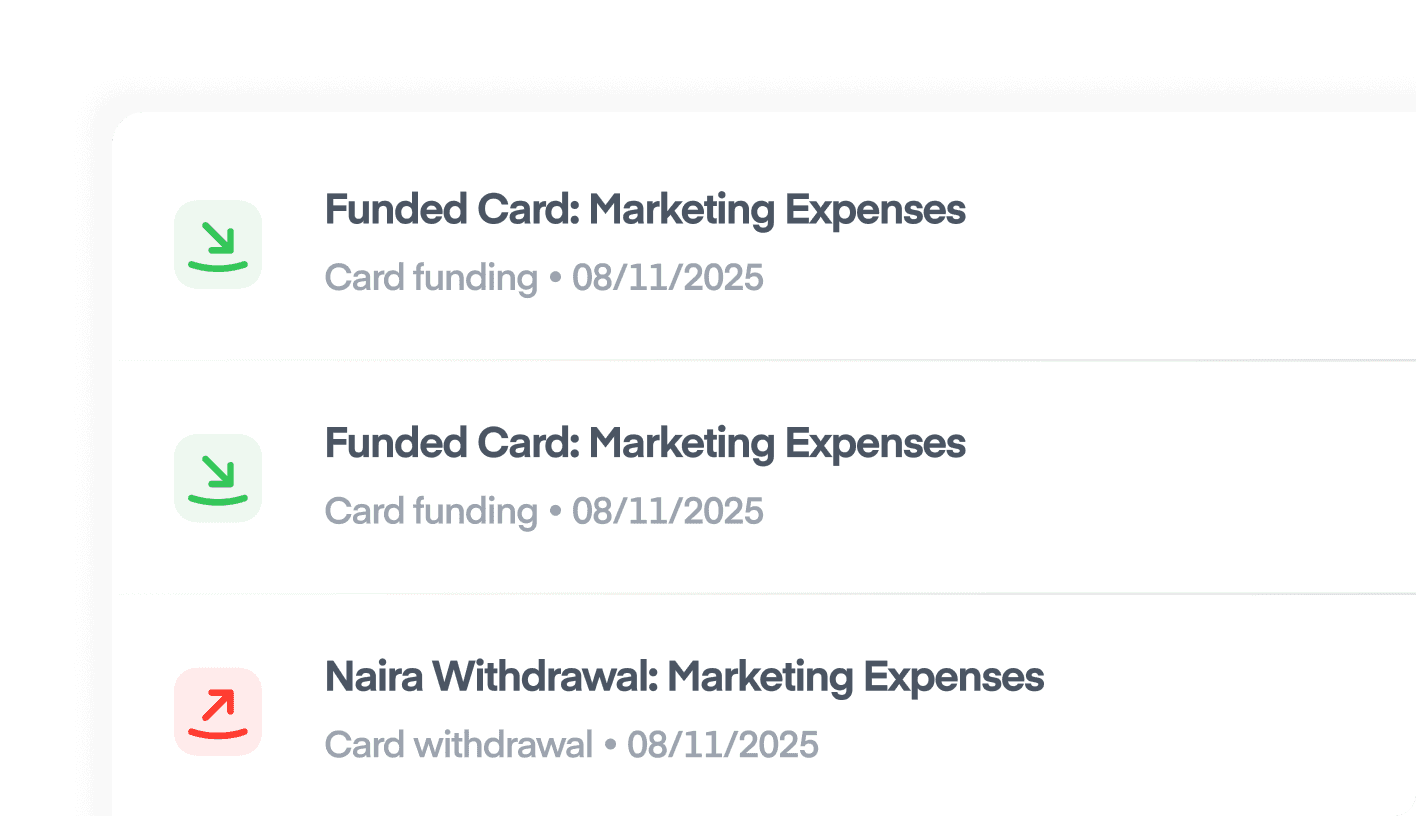
Expense Tracking
Track every expense in real time
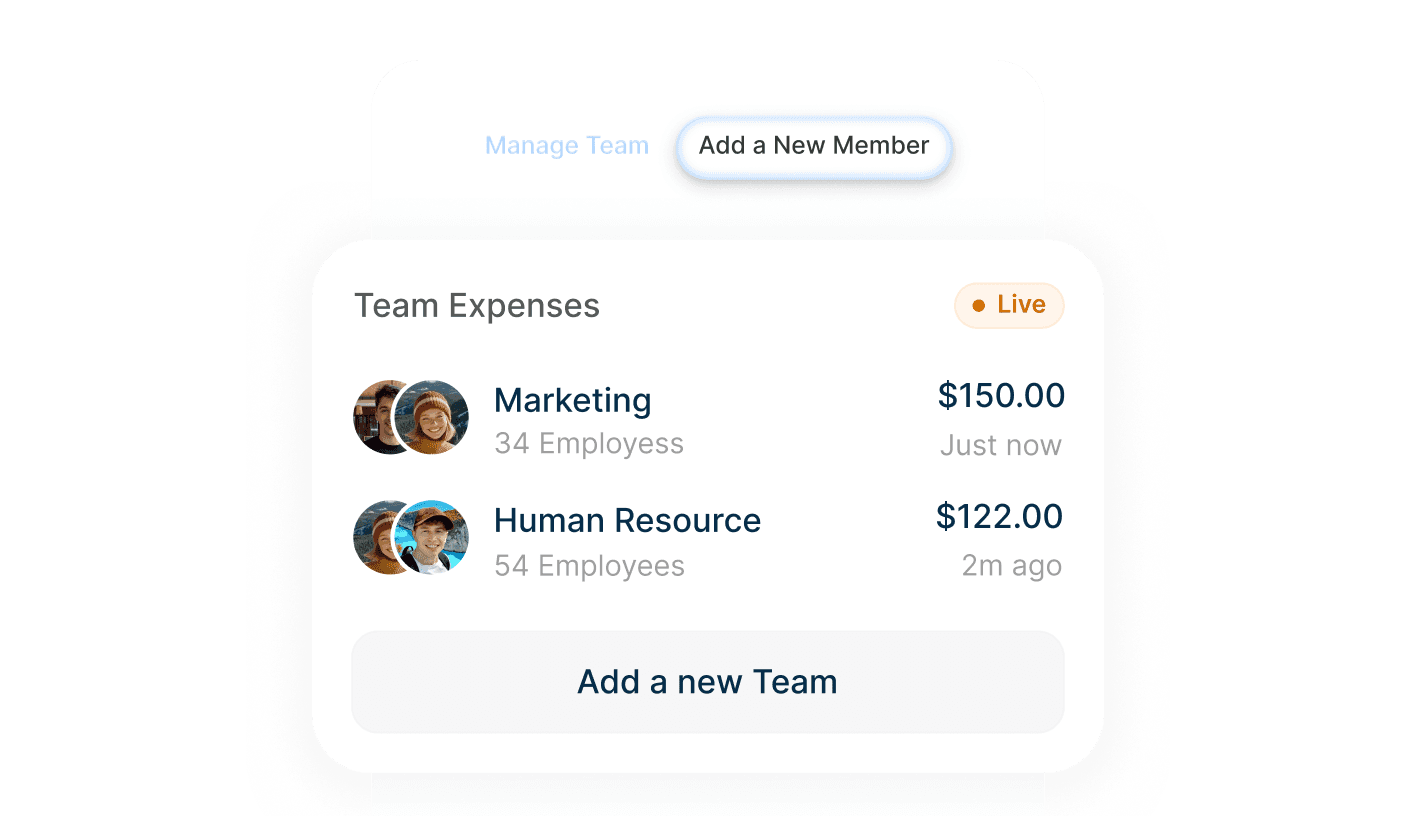
Team management
Full team management and spend oversight


Advertising