
What Is Business Spend Management?
Learn how business spend management helps African businesses control spending, manage payments, improve visibility, and simplify reconciliation.
7 Minutes

Business spend management (BSM) is the process of planning, controlling, tracking, and optimizing how a company spends money. It combines spending policies, approval workflows, payment tools, and real-time reporting to help businesses manage expenses before, during, and after every transaction.
Instead of waiting until the end of the month to figure out where money went, a spend management system gives finance teams and business leaders visibility into company spending as it happens. This helps reduce unnecessary expenses, simplify reconciliation, improve accountability, and make better financial decisions.
At a glance, business spend management helps businesses:
Track company spending in real time.
Control who can spend money, how much, and for what purpose.
Automate approval workflows.
Manage employee expenses, vendor payments, subscriptions, and procurement from one system.
Reduce manual reconciliation and reporting.
Improve financial visibility and accountability across teams.
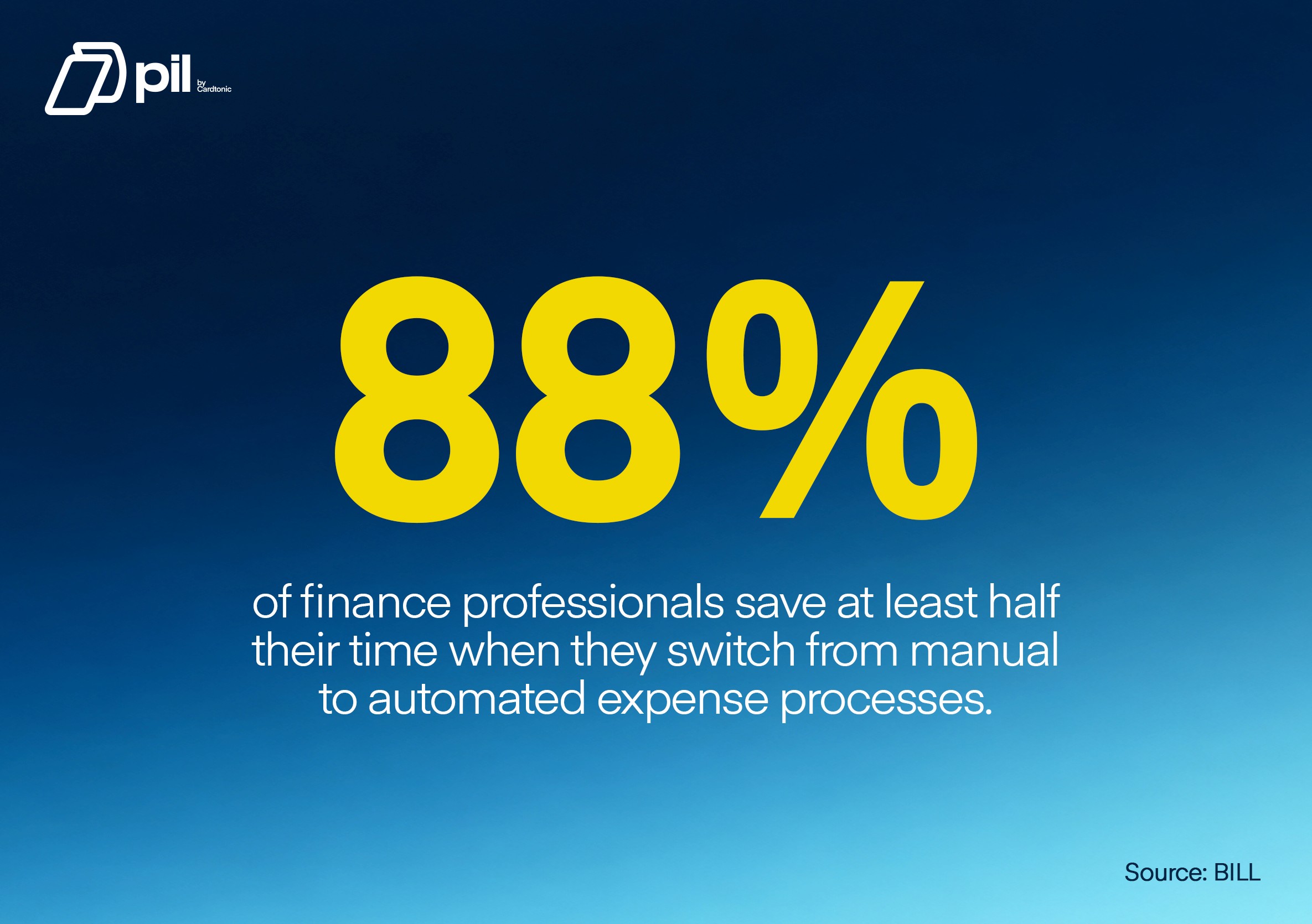
88% of finance professionals report saving at least 50% of their time when they switch from manual to automated expense processes. Right now, a finance lead somewhere might be starting a reconciliation task that will consume the next few days: matching hundreds of transactions to the people, departments, and purposes behind them, and management wants an updated spending report before the next meeting.
The lengthy process happens because the business has no system that captures spending as it happens. So, for a finance lead spending four days on month-end reconciliation, a functional business spend management system restores two days for strategic work every single month. Rather than treating spending as something to review after the fact, it helps businesses build visibility, control, and accountability into every transaction from the moment it happens.
This guide explains what business spend management is, how it works, why it matters for African businesses, and what to look for when choosing a spend management solution.
Why Is Business Spend Management Important?
Many businesses don't think about spend management until something goes wrong. And things that go wrong happen because growing businesses often outgrow the informal systems they started with. In the early stages, tracking expenses with spreadsheets, shared company cards, and messaging apps may seem manageable. Founders know where most of the money goes, approvals happen quickly, and finance processes are relatively simple.
Growth changes that. As more people join the business, spending becomes distributed across departments, vendors, currencies, and payment methods. Without a system to manage it, financial visibility decreases even as spending increases.
Business spend management solves this by replacing manual processes with structured controls, real-time tracking, and clear accountability.

Why Spend Management Matters Even More for African Businesses
Every growing business faces spend management challenges, but African businesses often operate within additional financial and payment constraints that many global platforms were never designed to handle. For instance, payment failures account for up to 17% of checkout abandonments globally and the rate is higher in markets like Nigeria, where card issuers frequently block international transactions by default.
In clearer terms, here’s why businesses should adopt proper spend management systems:
Multi-currency operations
Many African businesses earn revenue in local currencies while paying for software, cloud infrastructure, advertising, and international vendors in US dollars. A Nigerian startup, for example, may receive customer payments in naira, pay freelancers in dollars, fund advertising campaigns internationally, and settle local operational expenses in the same week.
Managing these payments without a centralized system quickly becomes difficult. A modern spend management platform brings these transactions together, giving finance teams a single view of spending across currencies instead of forcing them to reconcile multiple accounts manually.
Card restrictions and payment failures
International payments remain one of the biggest operational challenges for many African businesses. Local bank cards may have international spending limits, while some global platforms reject certain cards altogether. A failed payment can interrupt advertising campaigns, suspend software subscriptions, or delay important vendor payments. For businesses that depend on digital tools to operate, payment reliability directly affects revenue, operations, and customer experience.
Growing teams need stronger controls
Financial processes that work for a team of three rarely work for a team of thirty. As companies grow, different departments begin making purchases independently. Marketing pays for advertising platforms, engineering manages cloud infrastructure, operations works with vendors, while finance is expected to maintain visibility across everything.
Without clear spending controls, businesses often rely on shared company cards, email approvals, or WhatsApp messages to authorize purchases. While these methods may seem convenient, they create accountability gaps that become increasingly difficult to manage as spending grows. Business spend management replaces these informal workflows with structured approval processes, dedicated payment methods, and real-time oversight.
Faster reporting and reconciliation
With spend management, transactions are automatically recorded, categorized, and linked to the appropriate card, team, or expense category as they happen. Instead of reconstructing financial activity at month-end, finance teams can generate reports whenever they need them.
The result is less administrative work, greater accuracy, and more time spent making strategic financial decisions instead of correcting historical records.
Common Signs Your Business Needs Spend Management
If any of these sound familiar, your business has likely outgrown manual spending processes:
Different teams share the same company card.
Month-end reconciliation takes several days.
Finance regularly chases employees for receipts.
Software subscriptions renew without anyone noticing.
Spending approvals happen through WhatsApp, Slack, or email.
It is difficult to identify who made a particular purchase.
Leadership lacks real-time visibility into company spending.
International payments frequently fail or require multiple workarounds.
Businesses experiencing several of these challenges can often improve financial visibility, accountability, and operational efficiency by adopting a dedicated spend management system before these issues become more costly.
What Are the Core Components of Business Spend Management?
A business spend management system is more than a company card or expense tracker. It pulls policies, payment infrastructure, approval processes, and reporting all into one system that helps businesses control spending without slowing down operations.
While every organization has different needs, an effective spend management system should include these core components:
Real-Time Spend Visibility
The first step to controlling business spending is knowing exactly where your money is going. A good spend management system gives finance teams and business owners a live view of every transaction across the business. Instead of waiting for bank statements at the end of the month, they can see:
Which department made the purchase
Who authorized it
Which card or wallet was used
Which vendor received the payment
How much was spent
When the transaction occurred
For African businesses managing multiple teams and payment methods, this visibility is especially valuable. Whether marketing is paying Meta for ads in dollars or operations is settling a local supplier in a local currency, all transactions appear in one place.
Spending Controls and Card Limits
Visibility alone does not prevent overspending, businesses also need clear rules that determine who can spend, how much they can spend, and what they can spend it on. A modern spend management platform allows companies to:
Set spending limits for each card.
Create separate cards for different departments or projects.
Restrict cards to specific merchants or expense categories.
Control how frequently cards can be used.
Freeze or deactivate cards instantly when necessary.
For example, a growing startup may issue one virtual card for digital advertising, another for software subscriptions, and another for vendor payments. Each card has its own budget, reducing the risk that one department accidentally consumes another team's budget.
Approval Workflows
Not every business purchase should require the founder's approval, but not every purchase should happen without oversight either. An effective spend management system creates approval workflows that match how the business operates.
Expense Categorization
Every business transaction should belong to a category. Whether the payment is for marketing, software subscription, office operations, or professional services, it should be classified automatically. Accurate categorization helps businesses understand spending patterns, compare budgets with actual expenses, and identify areas where costs can be reduced.
Reporting and Reconciliation
For many finance teams across Africa, month-end reconciliation remains one of the most time-consuming parts of the job. Transactions must be matched to receipts, departments, approval messages, and spreadsheets before accurate reports can be produced. A spend management system simplifies this process by recording spending as it happens.
Rather than reconstructing an entire month's financial activity, businesses can generate reports instantly by:
Department
Card
Project
Expense category
Date range
This allows finance teams to spend less time gathering data and more time analyzing it.
Tailored specifically for African businesses
This is where many global spend management platforms fall short. Most were designed for businesses operating within banking systems where international card acceptance, single-currency operations, and cross-border payments are relatively straightforward. Businesses across Africa often work in a different reality. They fund accounts in local currencies and pay international software vendors in US dollars. In fact, they may also have separate budgets for local and international spending. Therefore, a spend management platform built for African businesses should support these realities through features such as:
Multi-currency wallets.
Reliable virtual dollar cards.
Local currency funding.
Flexible team spending controls.
Payment methods that work across global platforms.
When payment infrastructure reflects how African businesses actually operate, finance becomes more predictable and day-to-day operations become more efficient.
What to Look for in a Business Spend Management Tool
Not every spend management platform is designed for the way businesses in Africa operate. Africa often needs tools that support multiple currencies, distributed teams, and both local and international payments.
When evaluating a spend management platform, look for these essential features.
Multi-Currency Support
Many African businesses receive payments in local currencies but pay for software, advertising, cloud infrastructure, or international vendors in US dollars.
A good spend management platform should make it easy to manage spending across currencies without forcing finance teams to juggle multiple accounts or manually track exchange rates.
Whether your business operates in naira, cedis, dollars, or a combination of currencies, your payment infrastructure should support the way you already work.
Virtual Cards for Different Teams and Expenses
Using one company card for every payment creates unnecessary risk. Instead, choose a platform that allows you to create multiple virtual cards for different departments, projects, or spending categories. These dedicated cards improve accountability, simplify reconciliation, and reduce the likelihood of unauthorized or misplaced spending.
Real-Time Visibility Into Company Spending
Look for a platform that provides a live dashboard showing:
Recent transactions
Spending by department
Card activity
Budget usage
Payment history
Real-time visibility helps businesses identify unusual spending early and make better financial decisions throughout the month.
Automated Reporting
Manual reconciliation slows down finance teams and increases the risk of errors. Choose a platform that automatically records transactions and generates reports based on transaction metrics such as department, card, team member, project, expense category, or date range. The easier it is to generate reports, the less time your finance team spends compiling data and the more time they spend analyzing it.
Role-Based Access for Growing Teams
Not everyone in a business needs the same level of financial access. While the founder may need complete oversight, sub-stakeholders might need just enough access for their specific roles: Finance teams for full reporting capabilities, department heads’ access to their own budgets, and other employees may only need permission to use assigned payment cards. These role-based permissions help businesses maintain control while reducing unnecessary bottlenecks.
Payment infrastructure that works for Africa and across the world
For many businesses across Africa, the biggest challenge is making payments successfully. Whether you're paying local suppliers, subscribing to international software, funding digital advertising campaigns, or managing remote teams across different countries, your payment infrastructure should support these activities reliably. A spend management platform built for Africa, like PIL, should understand these realities rather than expecting businesses to adapt to systems designed for other markets.
Why Businesses Choose PIL
PIL was built around the realities of doing business in Africa. Rather than adapting global spend management software to local challenges, PIL was designed to help businesses manage spending across multiple currencies, teams, and payment types from one platform.
With PIL, businesses can:
Create dedicated virtual cards for different teams and spending categories.
Fund wallets using local currencies and supported funding options.
Monitor transactions in real time.
Set spending limits and manage team permissions.
Generate reports for faster reconciliation.
Manage business spending from a single dashboard.
PIL adapts to how different teams spend, with dedicated experiences for agencies, CFOs, advertisers, and companies. So, whether you're running a startup in Lagos, scaling a company in Accra, or managing a distributed team across African markets, PIL gives you the visibility and control to spend with confidence.
How To Use PIL
Getting started with PIL follows a simple flow, from setup to your first transaction.
Sign up and complete KYC. Verification is mandatory for every user, and it's what unlocks your dedicated virtual bank account and wallet.
Fund your USD wallet. Once verified, fund your wallet through a local NGN or GHS bank transfer, or with supported stablecoins (USDT or USDC). Live exchange rates are also shown before you confirm.
Create a virtual card. Give it a label (like "Meta Ads" or "AWS"), set an amount, and confirm with your PIN. Cards go live in under two minutes and are ready to spend immediately.
Set team roles and permissions. You can assign teammates as Admin, Finance, or Member. Members can request funds, while Owners and Admins approve them
Manage cards in real time. Freeze, adjust limits, or terminate a card instantly. Closing a card automatically sweeps any remaining balance back to your main wallet.
Track and reconcile. Export per-card statements as PDF or CSV. The report shows opening balance, credits, debits, and closing balance, allowing you reconcile finances in minutes.
Frequently Asked Questions
What exactly is business spend management?
Business spend management is the process of planning, controlling, tracking, and optimizing how a business spends money. It covers everything from employee expenses and vendor payments to software subscriptions, procurement, and company cards.
What is the difference between spend management and expense management?
Expense management focuses on employee expenses such as reimbursements and expense claims. Spend management is broader. It includes expense management alongside procurement, company cards, vendor payments, approval workflows, budgeting, and spending controls.
Is business spend management only for large companies?
No. In fact, small and medium-sized businesses often benefit the most because they typically rely on manual processes as they grow. Implementing spend management early helps businesses avoid the financial complexity that comes with expansion.
Why is spend management important for African businesses?
Businesses across Africa often manage local and international payments, multiple currencies, distributed teams, and cross-border vendors. A spend management system helps simplify these processes by providing better visibility, stronger spending controls, and payment infrastructure that supports how businesses in the region operate.
How does spend management improve cash flow?
Spend management improves cash flow by giving businesses real-time visibility into expenses, reducing unnecessary spending, preventing duplicate payments, and helping finance teams identify trends before they become financial problems.
Can startups benefit from spend management?
Yes. Once a startup begins hiring employees, paying multiple vendors, or managing recurring software subscriptions, manual processes become increasingly difficult to maintain. Spend management helps founders maintain financial control while allowing teams to move quickly.
Conclusion
Business spend management has become an essential part of building a financially healthy company. As teams expand, payments become more frequent, software subscriptions multiply, and businesses begin operating across currencies and borders. Without the right systems in place, maintaining visibility and control becomes increasingly difficult.
PIL is a business spend management platform built to help African businesses manage company spending with greater visibility, control, and flexibility. From virtual cards and multi-currency wallets to spending controls, real-time reporting, and team permissions, PIL gives businesses the financial infrastructure they need to scale with confidence.
Ready to simplify your business spending? Create a PIL account today and see how modern spend management can help your business operate more efficiently.
Author
Ayodeji Falaye
More Stories


Because payments shouldn’t hold your business back

Intuitive Navigation
Intuitive navigation: access anything in seconds
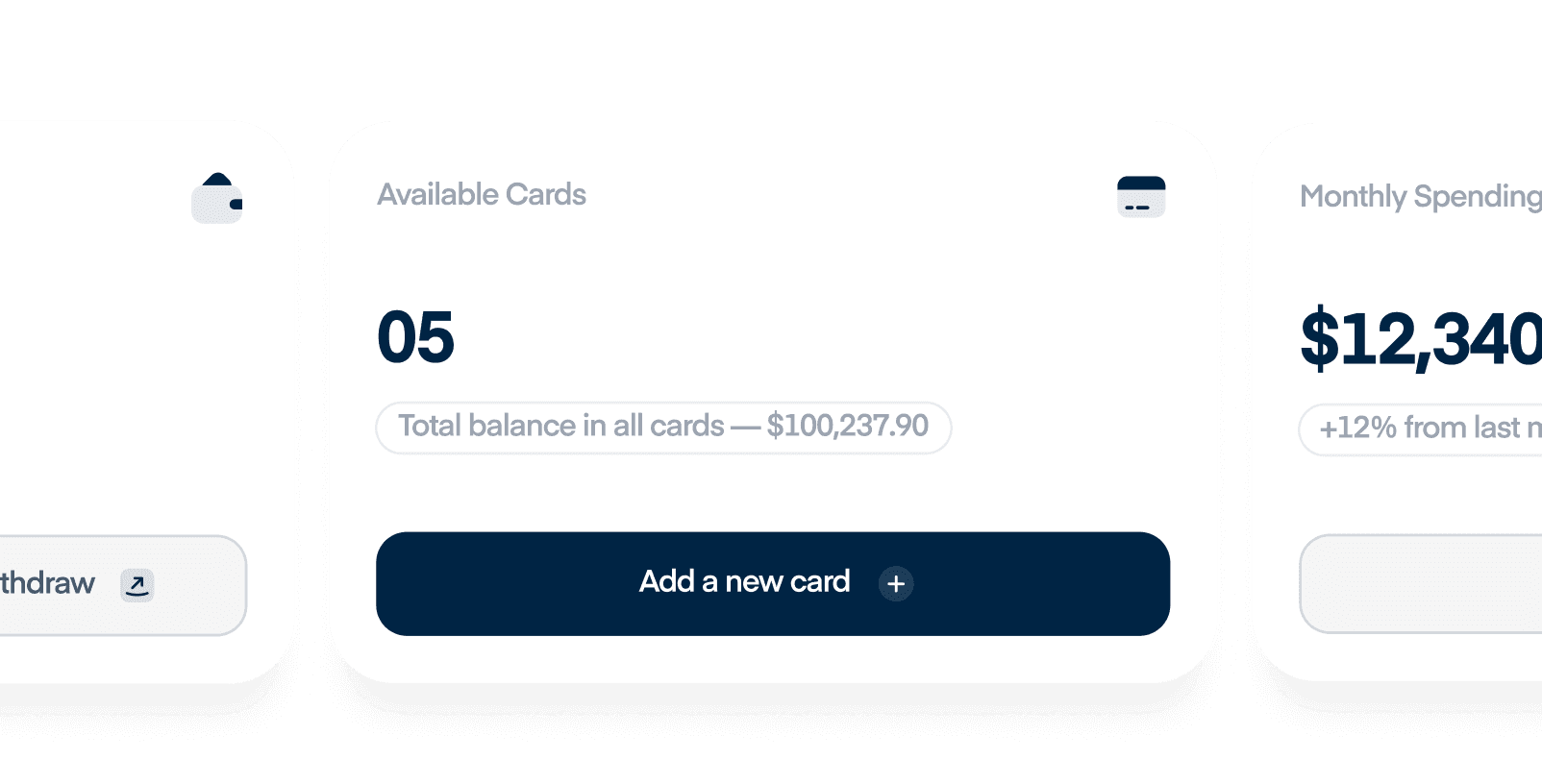
Manage Multiple Cards
Manage Multiple cards across teams and projects
Crypto funding


Fund in NGN, GHS, or Stablecoins

Team Cards
Assign cards to teams instantly
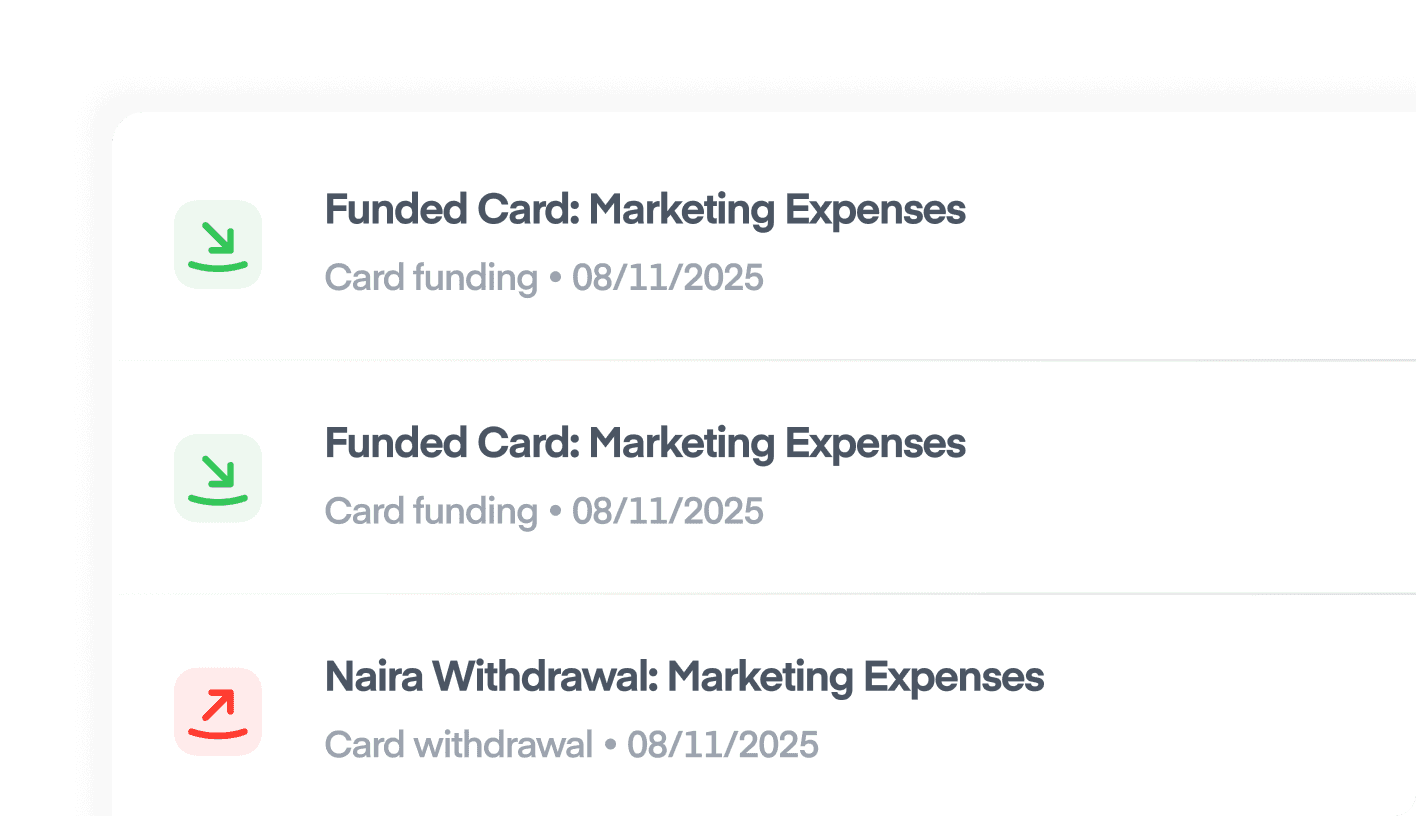
Expense Tracking
Track every expense in real time
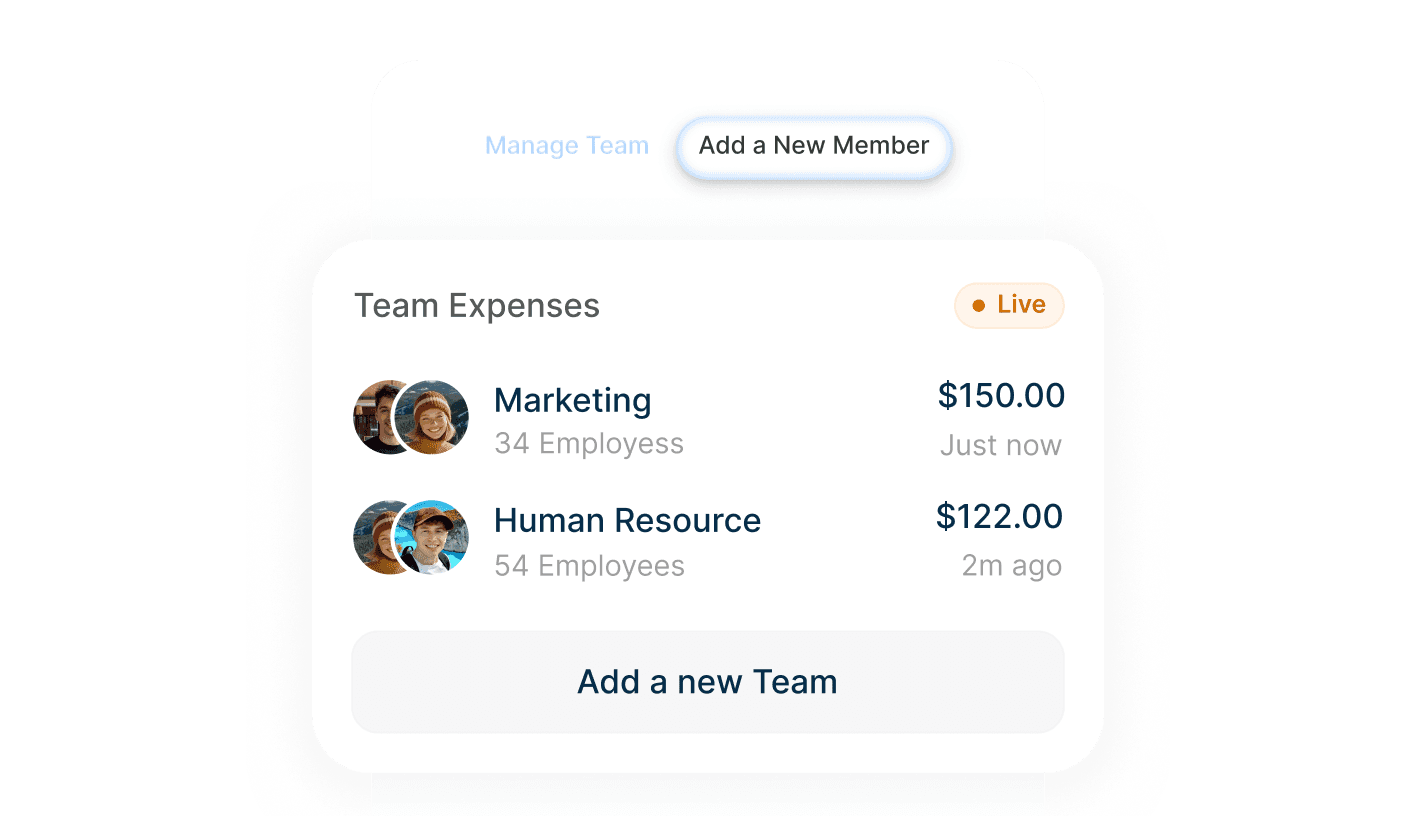
Team management
Full team management and spend oversight


Advertising