
Virtual Cards for Businesses: What They Are, How They Work and Their Benefits
TL;DR: Virtual cards give businesses a way to let employees and teams spend company money without sharing a physical card or relying on personal cards and reimbursements. Businesses can create cards for specific employees, teams, projects, vendors or spending categories, then apply limits and other controls to them. This makes it easier to manage business spending, improve visibility, simplify reconciliation and reduce the administrative work that comes with distributed expenses.
10 Minutes

As a business grows, spending rarely stays with one person. A founder who once handled every payment may eventually have marketing paying for advertising, developers managing cloud infrastructure and employees paying for software and other business expenses. The challenge is giving people access to company money without losing control over how it is spent. Traditional approaches, such as employee reimbursements, finance teams making payments on behalf of employees or several people sharing one company card, can become difficult to manage at scale. As employees, expenses and subscriptions increase, it becomes harder to know who is spending what, what each transaction is for and whether spending is within budget.
This is where virtual cards come in.
What are virtual cards for business?
A virtual card is a digital payment card with its own card number, expiry date and security details that can be used to make payments without a physical card. Unlike a personal card, a business virtual card is connected to the company’s payment infrastructure. Depending on the provider, the business can set spending limits, restrict where or how a card can be used, monitor transactions and deactivate the card when it is no longer needed.
This makes virtual cards more than another way to pay. They can become part of a company’s broader approach to managing business spending. For example, a company could create one virtual card for advertising, another for software subscriptions and another for cloud infrastructure. Each card can then be assigned to the relevant employee or team, making it easier for the finance team to understand where money is going.
How do virtual cards work?
The exact process depends on the provider, but the basic model is straightforward.
First, the business opens an account with a bank, card provider or spend management platform and funds the account. It can then create virtual cards for the people, teams, vendors or expenses that need access to company funds.
The business may be able to configure controls for each card before it is used. These controls can include spending limits, merchant restrictions, spending categories and expiry dates. Some providers also support single-use cards for specific transactions.
When an employee or team uses the card, the payment is charged to the business account associated with the card. The transaction can then be tracked and reconciled against the relevant employee, department, project or expense category.
Finally, the business can freeze, deactivate or terminate the card when it is no longer needed. This helps when an employee leaves, a project ends or a vendor relationship changes.
What can businesses use virtual cards for?
Virtual cards are particularly useful for expenses that happen online or recur regularly, but they also help businesses separate spending across employees, teams and projects for expenses such as:
Software subscriptions
Businesses often pay for dozens of digital tools across departments. A virtual card can be assigned to a particular subscription or group of subscriptions, making recurring expenses easier to identify and monitor.
Digital advertising
Marketing teams can use virtual cards to pay for advertising on platforms such as Google, Meta and LinkedIn. A business can separate advertising spend by campaign, team or account instead of attaching multiple campaigns to one shared card.
Cloud infrastructure
Engineering and product teams can use virtual cards for cloud services and other development tools. Separating these expenses from the company’s other spending can make it easier to monitor infrastructure costs.
Employee expenses
A business can give employees access to company funds without requiring them to use personal money for routine business expenses. This reduces the number of transactions that need to go through a reimbursement process.
Travel and accommodation
Virtual cards can be useful for business travel, particularly when companies need to provide controlled access to funds for employees who travel occasionally. Visa, for example, highlights virtual cards as a way to set spending controls for business travel and simplify expense reporting.
Vendor and project spending
Businesses can create cards for specific vendors, projects or departments. This can make it easier to separate expenses and understand how much a particular project or business function is costing.
For agencies, this can be particularly useful because spending can be organised around clients, campaigns or projects rather than being mixed together on a single company card.
Virtual cards vs. physical corporate cards
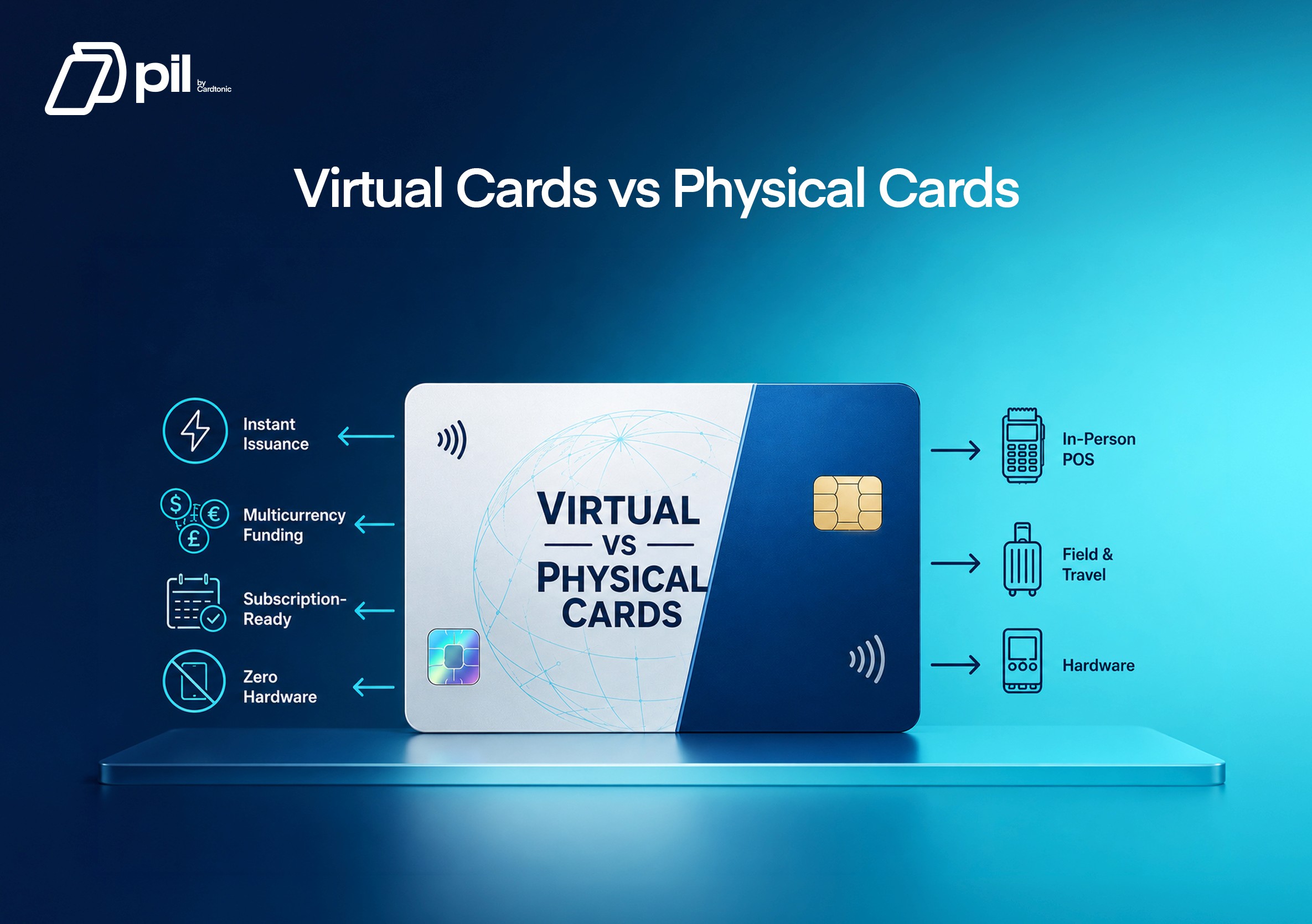
A corporate card describes the business purpose and ownership of a card, while virtual describes its form. A corporate card can therefore be physical or virtual.
Physical corporate card | Virtual corporate card | |
Physical card required | Yes | No |
Online payments | Yes | Yes |
In-person payments | Yes | Depends on provider and card configuration |
Employee assignment | Possible | Possible |
Spending limits | Provider-dependent | Provider-dependent |
Recurring subscriptions | Possible | Yes |
Instant issuance | Usually not | Often available |
Easy to deactivate | Yes | Yes |
Suitable for online business spending | Yes | Very suitable |
Why do businesses use virtual cards?
The value of virtual cards goes beyond replacing physical cards. For many businesses, the bigger benefit is the additional structure they can bring to company spending.
Virtual cards give employees controlled access to company funds
Imagine that a marketing manager needs to spend $3,000 on advertising. Giving the employee access to a company payment method may be necessary, but giving them access to the company’s entire financial account is not.
A virtual card creates an additional layer between the employee and the company’s wider funds. The employee can make the payment they need to make while the business maintains control over the card and its spending permissions. This allows multiple employees to spend company money without requiring everyone to share the same card details.
They improve visibility into business spending
Business spending becomes difficult to manage when transactions are disconnected from the people and purposes behind them. A finance team might see a transaction and still have to ask who made it, why it was made and which part of the business it belongs to. Virtual cards make this information easier to organise because cards can be assigned to particular employees, teams, projects or spending categories.
They reduce reliance on employee reimbursements
Employee reimbursement can work well when an employee occasionally pays for something on behalf of the business. However, it becomes less convenient when it turns into a regular operating process. When an employee pays with a personal card, saves the receipt, submits an expense claim and waits for finance to process it, several administrative steps are created around a single business expense.
A virtual corporate card moves the payment to the company’s funds in the first place. This reduces the number of business expenses that need to pass through a reimbursement process and means employees do not have to routinely use their personal money to cover company expenses.
They make recurring expenses easier to manage
Modern businesses often have dozens of recurring payments for software subscriptions, advertising accounts, cloud services and other digital tools. When several subscriptions are attached to one shared company card, it can become difficult to determine which charges belong to which team or service. A business can instead organise recurring expenses around specific virtual cards, spending categories or teams. This makes it easier to identify recurring expenses, monitor them and remove access when a subscription or service is no longer needed.
They can add another layer of security
Virtual cards can help businesses create separate payment credentials and, depending on the provider, impose restrictions around how those credentials can be used. Controls can include spending limits, merchant restrictions, usage periods and expiry dates.
However, a virtual card does not automatically make business spending secure. Its value comes from combining separate card credentials with appropriate controls, monitoring and access management.
They make employee access easier to manage
People join companies, change roles and leave. A card that belonged to an employee six months ago may no longer be appropriate today. With a centralised card management system, businesses can freeze or deactivate cards when employees no longer need access. This creates a clearer relationship between employment, responsibility and financial access.
The same principle applies to projects and vendors. A card can be deactivated when a project ends or a vendor relationship changes without requiring the business to replace a shared company card.
They can simplify reconciliation
Virtual cards create a clearer trail because spending can be linked to individual cards and their assigned purposes. Some providers can also integrate transaction data with accounting systems. For finance teams, the benefit is not simply seeing transactions. It is being able to understand what each transaction represents.
Are there downsides to using virtual cards?
There might be possible disadvantages, depending on the business and the platform payments are being made to. For instance, a virtual card may not be suitable for situations where a physical card is required, and acceptance can vary depending on the provider, merchant and card configuration.
Another consideration is that virtual cards do not eliminate the need for financial oversight. Creating multiple cards without clear ownership, limits or monitoring can simply create another layer of complexity. The objective should therefore not be to create as many cards as possible. It should be to give the right people access to the right amount of money for the right purpose.
Who should use virtual corporate cards?
Virtual corporate cards can be useful for businesses where spending is distributed across several people, teams or functions, such as:
Businesses with employees who regularly make online purchases.
Marketing teams that manage digital advertising.
Companies with multiple software and SaaS subscriptions.
Engineering teams that pay for cloud infrastructure and development tools.
Agencies managing spending across clients and projects.
Businesses with remote or distributed teams.
Finance teams that need greater visibility into employee spending.
Businesses where employees regularly use personal funds and request reimbursement.
The need usually becomes more obvious as spending becomes distributed. A company with two employees and very few recurring expenses may not need a sophisticated spend management system. A growing business with several teams, subscriptions, advertising accounts and international vendors may benefit much more from having structured spending controls.
Choosing a virtual card for your business
Getting a business virtual card generally involves a few steps, although the exact process varies by provider.
First, choose a provider based on how your business actually spends money. Consider supported currencies, card acceptance, funding methods, spending controls, transaction visibility, fees and accounting capabilities.
Next, complete the required identity and business verification. Once the business account is approved and funded, the business can create virtual cards for the relevant employees, teams, vendors or spending categories.
The next step is to establish controls. Depending on the provider, these may include spending limits, merchant restrictions, expiry dates and other permissions.
Finally, assign the cards and begin using them for approved business expenses. Finance teams should continue monitoring transactions and reviewing whether card limits and permissions remain appropriate as the business changes.
Virtual cards for African businesses
For African businesses, paying for international digital services can be more complicated than simply entering a card number. Businesses may earn and hold funds in local currencies while paying for advertising, software, cloud infrastructure and other services priced in USD. This is significant in a region where cross-border payment systems remain fragmented.
A 2025 payments whitepaper from Absa notes that, despite significant progress in domestic digital payments, cross-border interoperability remains a challenge across Africa. The scale of the challenge is reflected in recent figures from the Future of Business Payments Report 2025, published by Waza and Lagos Business School:
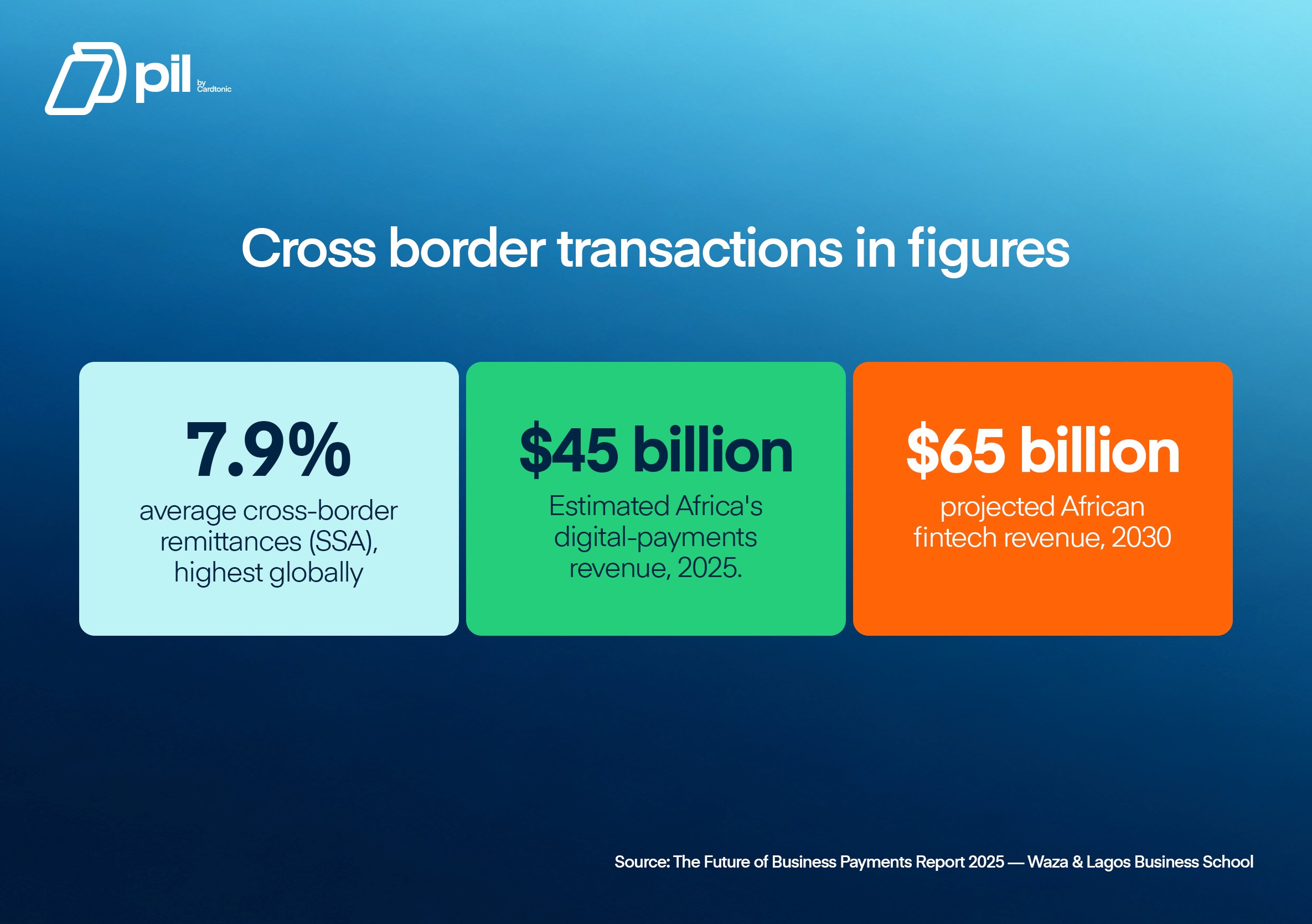
7.9%: the average cost of cross-border remittances in Sub-Saharan Africa, the highest globally.
$45 billion: the estimated size of Africa’s digital-payments revenue in 2025.
$65 billion: projected African fintech revenue by 2030, more than double the 2025 estimate.
Collectively, these figures show that Africa’s payment ecosystem is growing rapidly, but cross-border payments remain costly and fragmented. Still, a highly developed domestic payment system does not necessarily make international digital payments straightforward. Businesses can still encounter currency, card-acceptance and recurring-payment constraints when paying global platforms.
This is where virtual cards built for the way African businesses, like PIL, operate can be useful. The important consideration is therefore how a virtual card is funded, which currencies it supports, where it can be used, what spending limits apply and how easily finance teams can track and reconcile transactions.
How PIL helps businesses manage virtual card spending
Built for businesses operating across local and international payment environments, PIL is a spend management platform that lets teams create, fund, and manage USD virtual cards from wallets funded in Naira, Cedi or supported stablecoins.
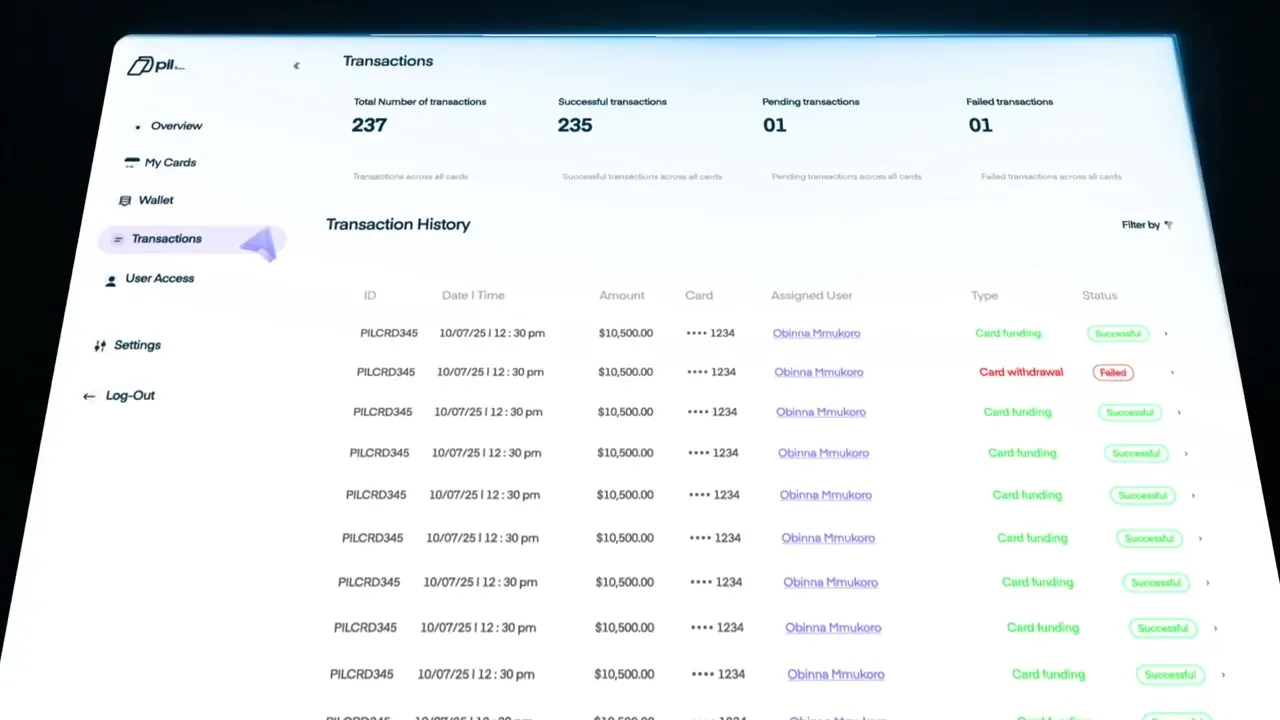
Businesses can create cards for specific teams or expenses, set spending limits and merchant restrictions, and monitor transactions from one dashboard. Cards can also be frozen or deactivated when necessary.
This is particularly useful for recurring international expenses such as advertising, software, cloud infrastructure and other digital services. PIL cards currently support platforms including Google, LinkedIn, Facebook, Adobe, Slack, AWS, DigitalOcean and MongoDB, giving African businesses a structured way to manage these payments without relying on a single shared card.
Frequently asked questions about virtual business cards
What is a virtual business card?
A virtual business card is a digital payment card that businesses can use for online and other eligible transactions without issuing a physical card. Businesses can often create separate cards for employees, teams, projects, vendors or specific expenses.
Are virtual corporate cards safe?
Virtual cards can provide additional security because businesses can issue separate card credentials and apply controls such as spending limits, merchant restrictions and expiry dates. However, security still depends on how the business manages access, permissions and transaction monitoring.
Can employees have their own virtual corporate cards?
Yes. Businesses can issue virtual cards to employees who need to make approved business purchases. The business can then manage the cards centrally and, depending on the provider, set individual spending limits and restrictions.
Can I set spending limits on a virtual card?
Many business virtual card providers allow businesses to set spending limits. Some also support merchant restrictions, category controls and expiry dates. The specific controls available depend on the provider.
Can businesses use virtual cards for international payments?
Some virtual cards can be used for international online payments, but acceptance depends on the provider, card network, merchant and transaction. Businesses should check supported currencies, countries, merchants and any applicable conversion costs before choosing a provider.
Can a business have multiple virtual cards?
Yes. One of the main advantages of business virtual cards is that a company can create separate cards for different employees, teams, projects, vendors or spending categories. This can make spending easier to control and track.
Create Virtual Business Cards with PIL
With PIL, businesses can create virtual cards for teams, projects, vendors and spending categories, set spending controls and track company expenses from one place.
Give your team the spending access they need while keeping control of your business money.
Create your team spending cards with PIL
Author
Ayodeji Falaye
More Stories


Because payments shouldn’t hold your business back

Intuitive Navigation
Intuitive navigation: access anything in seconds
Manage Multiple Cards
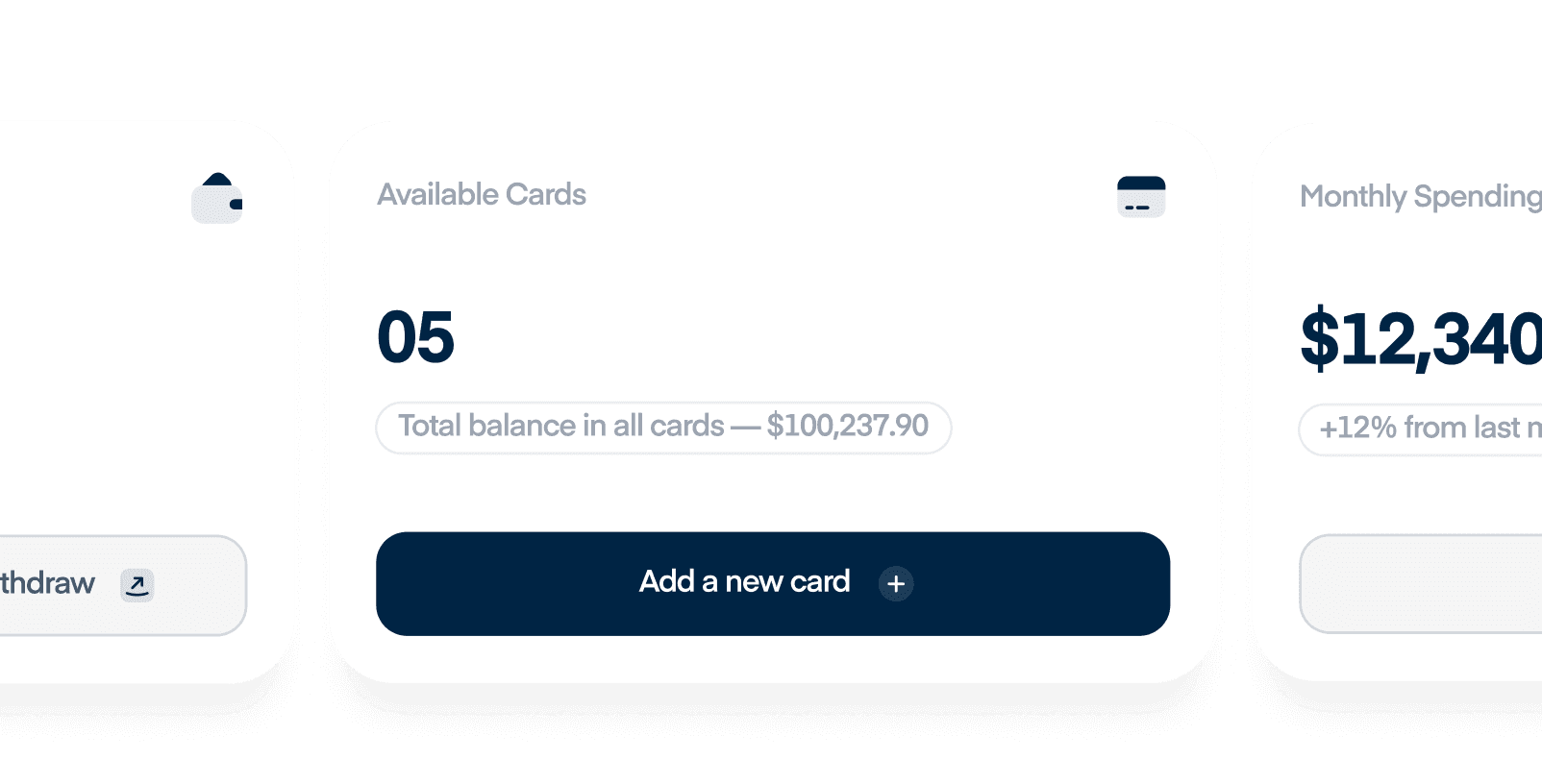
Manage Multiple cards across teams and projects
Crypto funding


Fund in NGN, GHS, or Stablecoins

Team Cards
Assign cards to teams instantly
Expense Tracking
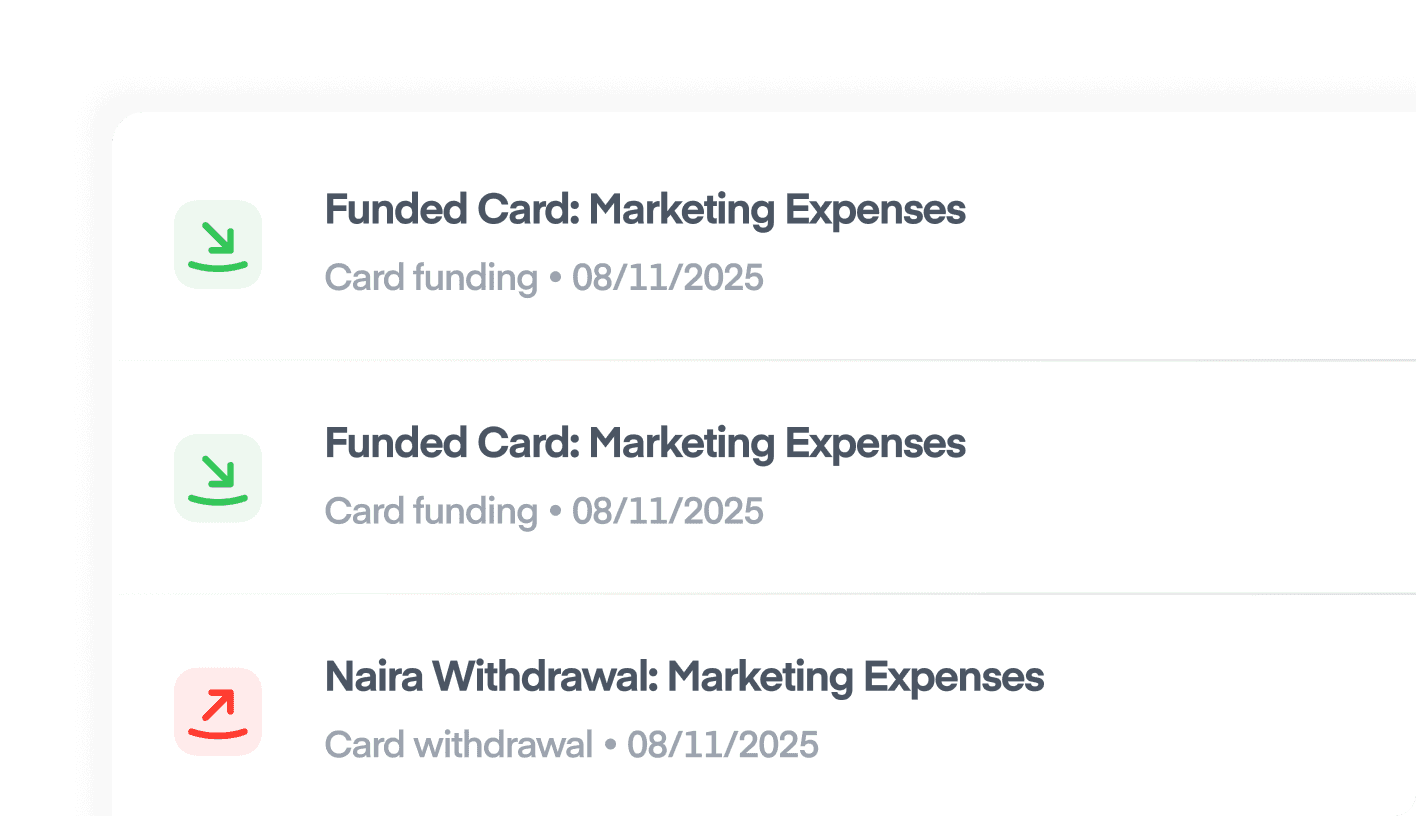
Track every expense in real time
Team management
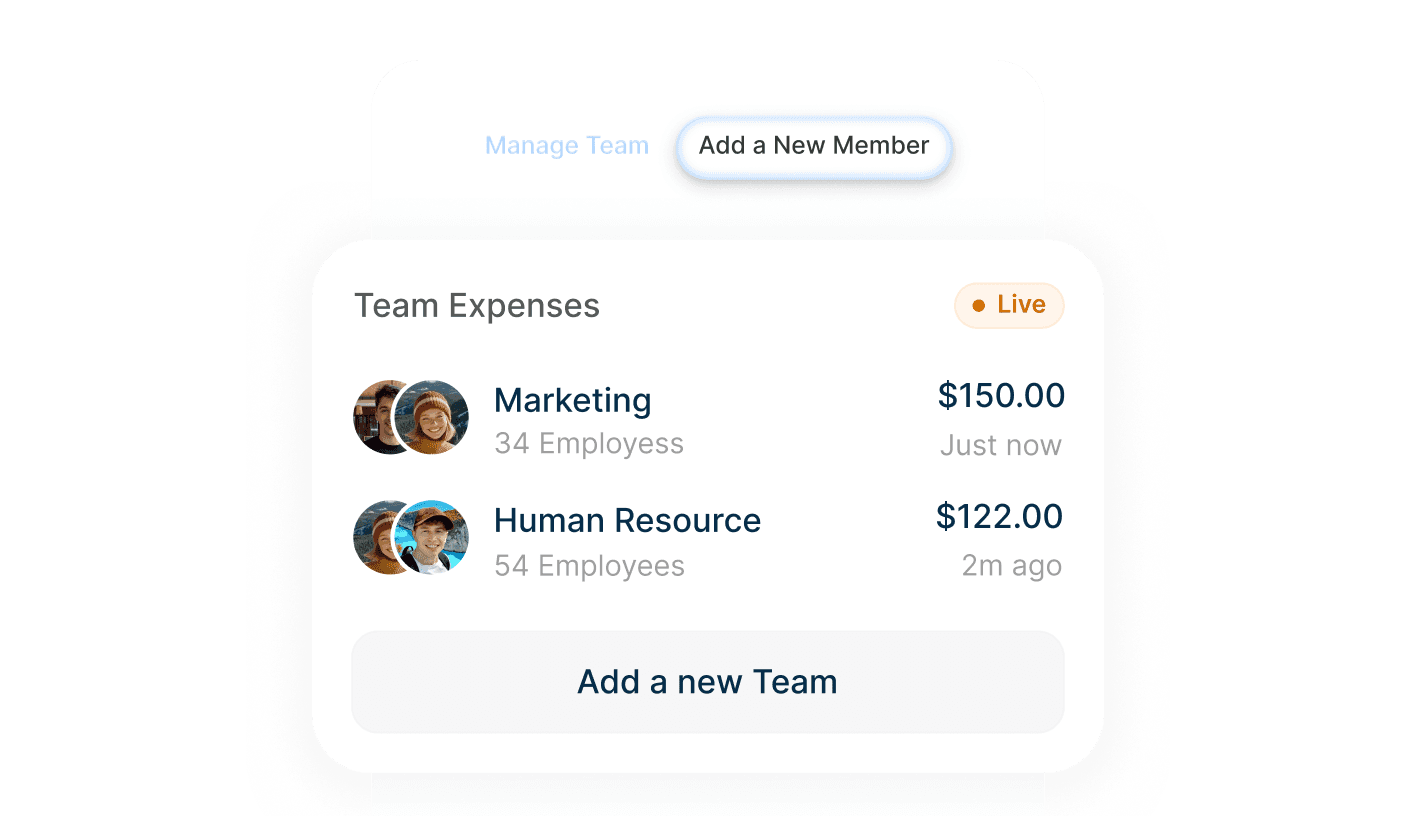
Full team management and spend oversight


Advertising