
A 90-Day Growth Plan for African Saas Companies for Q1 2027
A 90-day growth plan turns a quarter's targets into budgets, owners and weekly metrics. For African software companies it also has to cover costs in several currencies: local payroll, dollar-priced cloud and software subscriptions, and international payments. African startups raised roughly $600 to $700 million in Q1 2026, and debt financing rose sharply, so founders are under pressure to show how each dollar turns into growth. This simple guide shows how to build a plan for Q1 2027, from January to March.
5 minutes

What does a 90-day growth plan entail?
A 90-day growth plan is a quarterly operating plan. It sets measurable business targets, the budget needed to reach them, the team that owns each one and the metrics used to track progress. In a software company, it usually centres on monthly recurring revenue (MRR), customer acquisition, retention and the cost of running the business.
Step 1: Review last quarter's performance before setting targets
Before deciding what Q1 should deliver, establish where the company stands. Last quarter shows what worked, what fell short and where more resources might help.
For a subscription business, start with MRR, annual recurring revenue (ARR), average revenue per customer and churn. Then look at acquisition: how many leads marketing generated, how many became paying customers, which channels performed best and what each customer cost to acquire. Finally, check product and operations: whether customers use the features you built, whether support requests are rising and whether infrastructure is handling demand without waste.
You may use this checklist:
Area | What to review |
Revenue | MRR, ARR and revenue growth |
Customer acquisition | New customers, conversion rates and CAC |
Retention | Churn, renewals and expansion revenue |
Product | Feature adoption, activation and usage |
Operations | Payroll, infrastructure and recurring expenses |
Currency exposure | Share of costs paid in US dollars versus revenue collected in local currency |
Cash flow | Available cash, outstanding obligations and projected expenses |
The aim is to find the biggest opportunities and constraints before committing to targets. A company with strong acquisition but high churn, for example, may gain more from better onboarding and retention than from a bigger advertising budget.
Step 2: Set measurable growth targets for Q1 2027
Once you know your starting point, decide what to achieve by the end of March. Broad goals such as "grow the business" or "improve customer experience" give direction but do not tell teams what success looks like. Turn them into numbers.
Cover five areas:

Revenue growth: targets for MRR, ARR, new customer revenue, and expansion revenue.
Customer acquisition: how many new paying customers you want, and the conversion rates needed to get them.
Customer retention: targets for lower churn, better renewals and higher customer lifetime value.
Product development: the features, integrations or fixes that will most improve adoption.
Operational efficiency: targets for infrastructure costs, internal processes and unnecessary spending.
Step 3: Build a realistic Q1 operating budget
Growth requires investment, so work out what the company can afford and where the money should go. Translate each objective into the resources it needs. More customers may mean more marketing spend, sales staff or support capacity. A major release may need engineers, tools or cloud capacity.
A Q1 budget for a software company typically covers these lines:
Budget line | What it includes | Typical cost type |
Payroll and recruitment | Salaries, benefits, contractors and new hires | Committed |
Marketing and customer acquisition | Advertising, content, events and sales campaigns | Discretionary |
Product development | Engineering time, testing, integrations and tools | Committed, with some discretionary projects |
Infrastructure | Cloud hosting, databases, cybersecurity and storage | Variable |
Software subscriptions | CRM, project management, design and other business apps | Committed |
Sales and customer success | Sales tools, support platforms, commissions and training | Variable |
Administration | Office costs, professional services and other overheads | Committed |
Contingency | Reserve for unexpected costs and changing conditions | Reserve |
Note: Separating committed, variable and discretionary costs shows which spending is essential and where to cut first if revenue falls short of plan.
Plan for currency risk
African software companies often earn in one currency and spend in another. A Nigerian company might collect subscriptions in naira while paying for cloud infrastructure, advertising and software in US dollars. When exchange rates move, the budget changes even if the price of each service stays the same. One practical approach is to budget at a stated planning rate, test the plan at a weaker rate, and review the rate monthly. Tools that give finance teams visibility into recurring foreign-currency subscriptions, such as business cards with spending limits and merchant controls, make this tracking easier.
Case study: infrastructure costs and growth at Hubtel
Hubtel, which runs Ghana's largest mobile payments platform, shows why infrastructure belongs in a growth plan. As transaction volumes rose, its on-premises setup struggled with traffic spikes and was costly to run. Hubtel moved its platform to Amazon Web Services (AWS) over 10 months. According to AWS's published case study, annual revenue grew from about $3 million in 2018 to $62 million in the years that followed, platform performance improved 100 times, and the company saves $1.5 million a year on infrastructure.
Hubtel’s move took 10 months, so it can’t be copied inside one quarter. What you can copy is the habit behind it: before you set a customer target, check what it will cost to serve those customers. If your infrastructure can’t handle the growth, fix it first, or the growth will cost you more than it earns.
Step 4: Break the plan into three 30-day cycles
A quarterly plan gives direction. Shorter cycles keep momentum and surface problems early. Breaking annual business goals into 90-day priorities also helps teams focus on the most important deliverables, assign clear responsibilities and measure progress within a defined period.

Days 1 to 30 (January): establish the foundations
Finalise company and departmental targets.
Assign responsibilities and deadlines.
Confirm departmental budgets.
Launch priority marketing and sales initiatives.
Set performance baselines.
Identify operational bottlenecks.
By the end of January, every department should know its priorities and how it will be measured.
Days 31 to 60 (February): execute and optimise
Review the sales pipeline and conversion rates.
Assess marketing campaign performance.
Evaluate customer feedback and product adoption.
Review infrastructure and software expenses.
Identify underperforming initiatives.
Reallocate resources where needed.
For example, if a campaign generates leads but few paying customers, investigate the conversion process before spending more on the same campaign.
Days 61 to 90 (March): consolidate and evaluate
Evaluate progress against revenue targets.
Review customer acquisition and retention.
Compare spending with departmental budgets.
Complete or reprioritise unfinished projects.
Document lessons from the quarter.
Set priorities for Q2 2027.
Step 6: Track progress with a scorecard
Do not wait until March to learn whether the plan is working. A scorecard compares targets with actual results throughout the quarter. Share the scorecard with the people responsible for the numbers. Hold weekly departmental meetings to track delivery and unblock teams, and monthly management reviews to cover revenue, expenses, customer performance and progress against the quarterly objectives. In late March, review which targets were met, which were missed and what should change next quarter.
Step 7: Leave room to adjust the plan
A 90-day plan should give direction without locking you into assumptions that stop holding. Infrastructure costs can surprise you, demand can shift, releases can slip and exchange rates can move.
When that happens, revisit the assumptions and ask whether the priorities still make sense. That is different from dropping targets when things get hard: the task is to tell a temporary setback from a real change. If acquisition costs rise sharply, reconsider the marketing allocation. If infrastructure cannot handle more demand, reliability may matter more than another feature. Review your financial position regularly, monitor spending against approved budgets and make sure teams flag changes that affect company-wide targets.
Bottom Line
A good 90-day growth plan does more than set revenue targets. It shows what resources the goals require, how they will be allocated and how progress will be measured. For African software companies, that also means watching operating costs, international payments and the financial infrastructure behind growth.
As the business grows, so do software subscriptions, advertising platforms, cloud services and international vendors. PIL helps businesses manage these expenses with dedicated business cards, spending limits, merchant controls and transaction visibility, and companies can fund their cards in NGN, GHS and supported stablecoins. With clear targets, realistic budgets and accountable teams, you can enter Q1 2027 with a plan that links growth ambitions to the decisions and resources needed to reach them.
Frequently asked questions
What should a 90-day growth plan include?
A 90-day growth plan should include measurable targets such as MRR, new customers and churn, a budget split into committed, variable and discretionary costs, one priority and owner per team, three 30-day cycles, and a scorecard reviewed weekly and monthly.
How do you set an MRR target for a quarter?
Start from opening MRR, then add expected new customer revenue and expansion revenue and subtract churn and contraction. The result is your closing MRR target. Work backwards from new MRR to the number of customers, qualified leads and sales conversations needed.
How should African software companies budget for currency risk?
Identify which costs are paid in US dollars, such as cloud hosting, advertising and software subscriptions, and compare them with the currency you earn in. Budget at a stated planning rate, test the plan at a weaker rate, hold a contingency reserve and review the rate monthly.
How often should you review a 90-day plan?
Review delivery weekly at team level and finances monthly at management level. Run a fuller review at the end of the quarter to record which targets were met, which were missed and what changes in the next plan.
Can a startup with limited data still use a 90-day plan?
Yes. Use whatever baseline you have, even two or three months of MRR, churn and spend, and set a few simple targets. The first quarter's results become the baseline that makes the next plan more accurate.

Author
Ayodeji Falaye
More Stories


Because payments shouldn’t hold your business back

Intuitive Navigation
Intuitive navigation: access anything in seconds
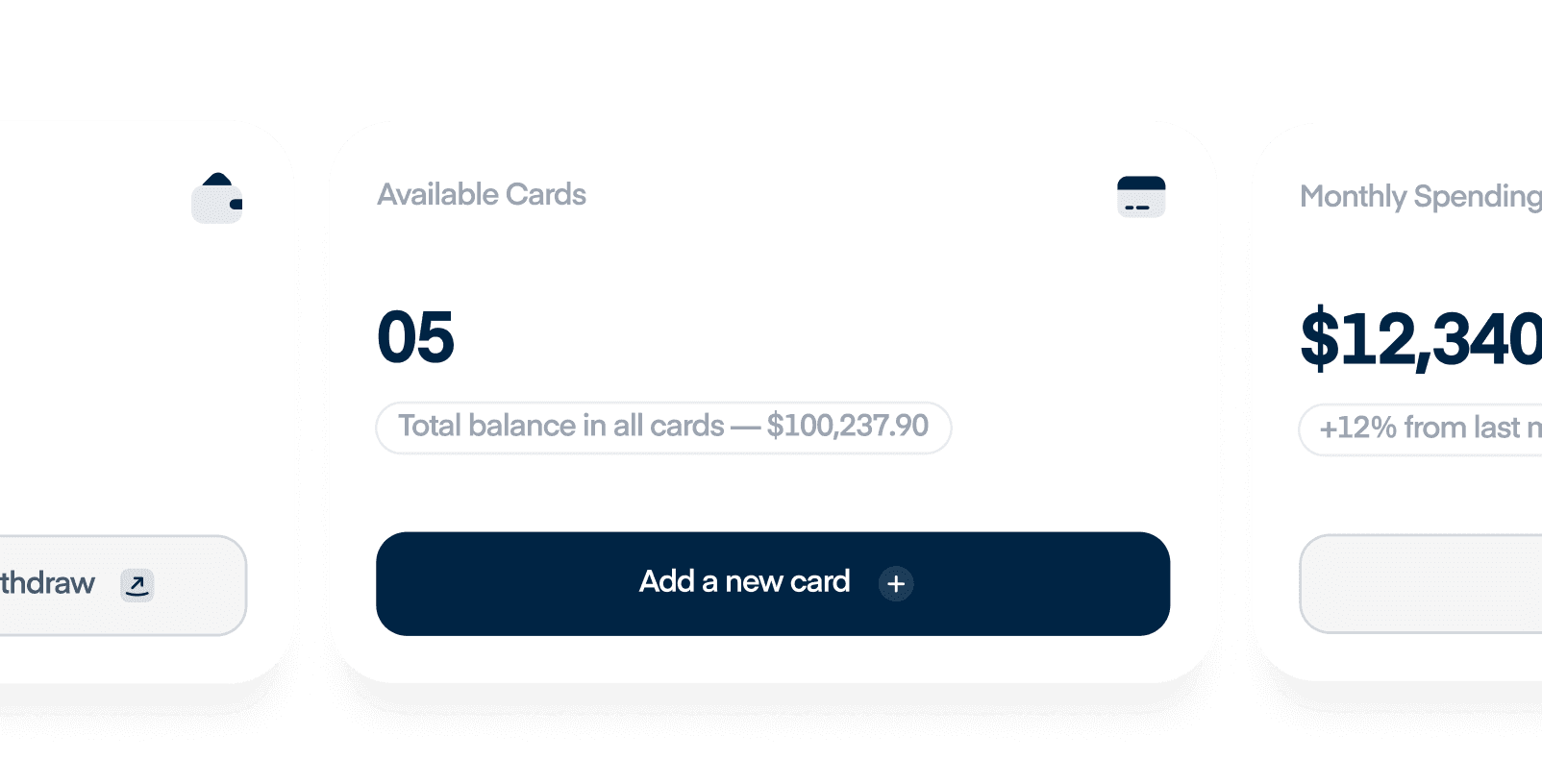
Manage Multiple Cards
Manage Multiple cards across teams and projects
Crypto funding


Fund in NGN, GHS, or Stablecoins

Team Cards
Assign cards to teams instantly
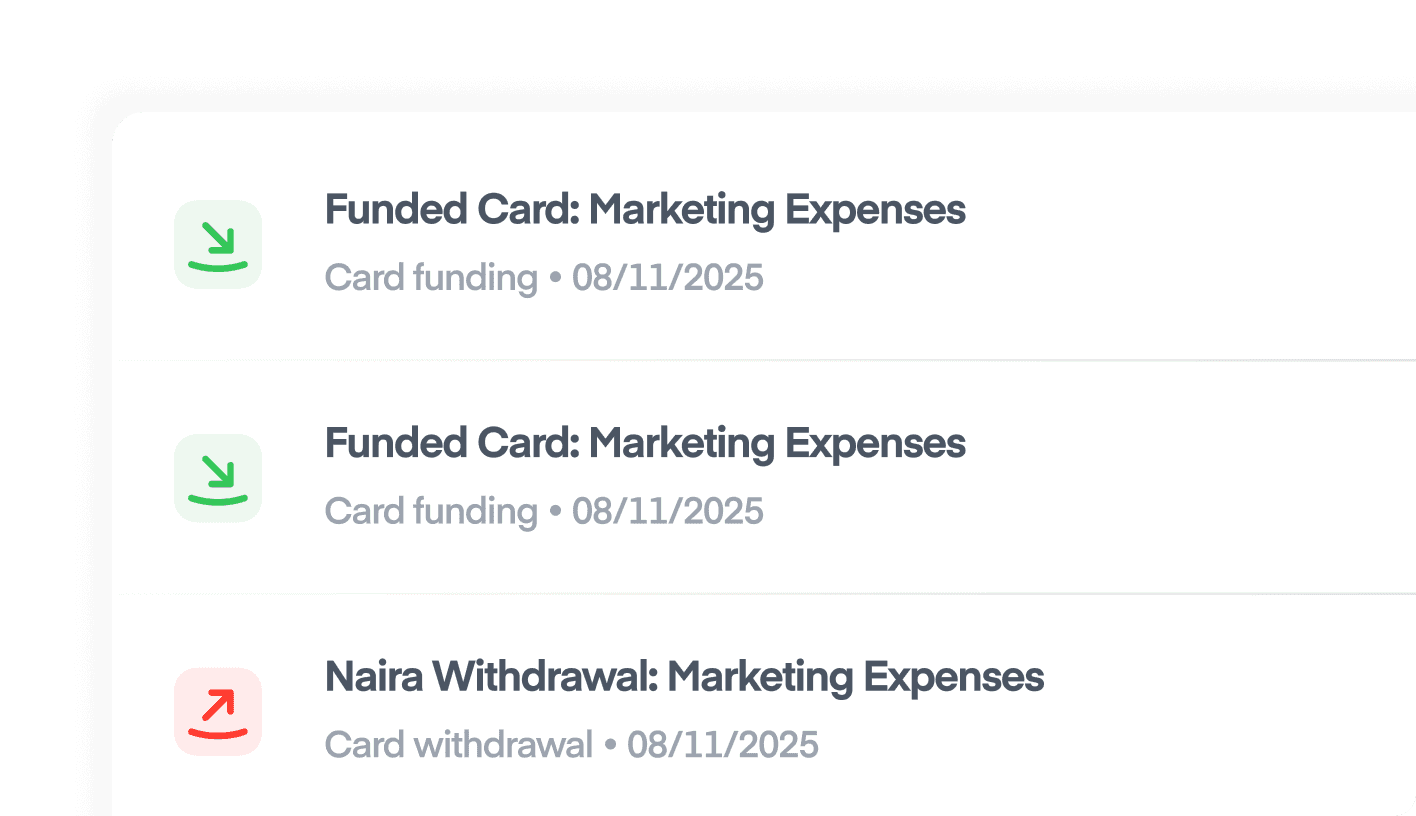
Expense Tracking
Track every expense in real time
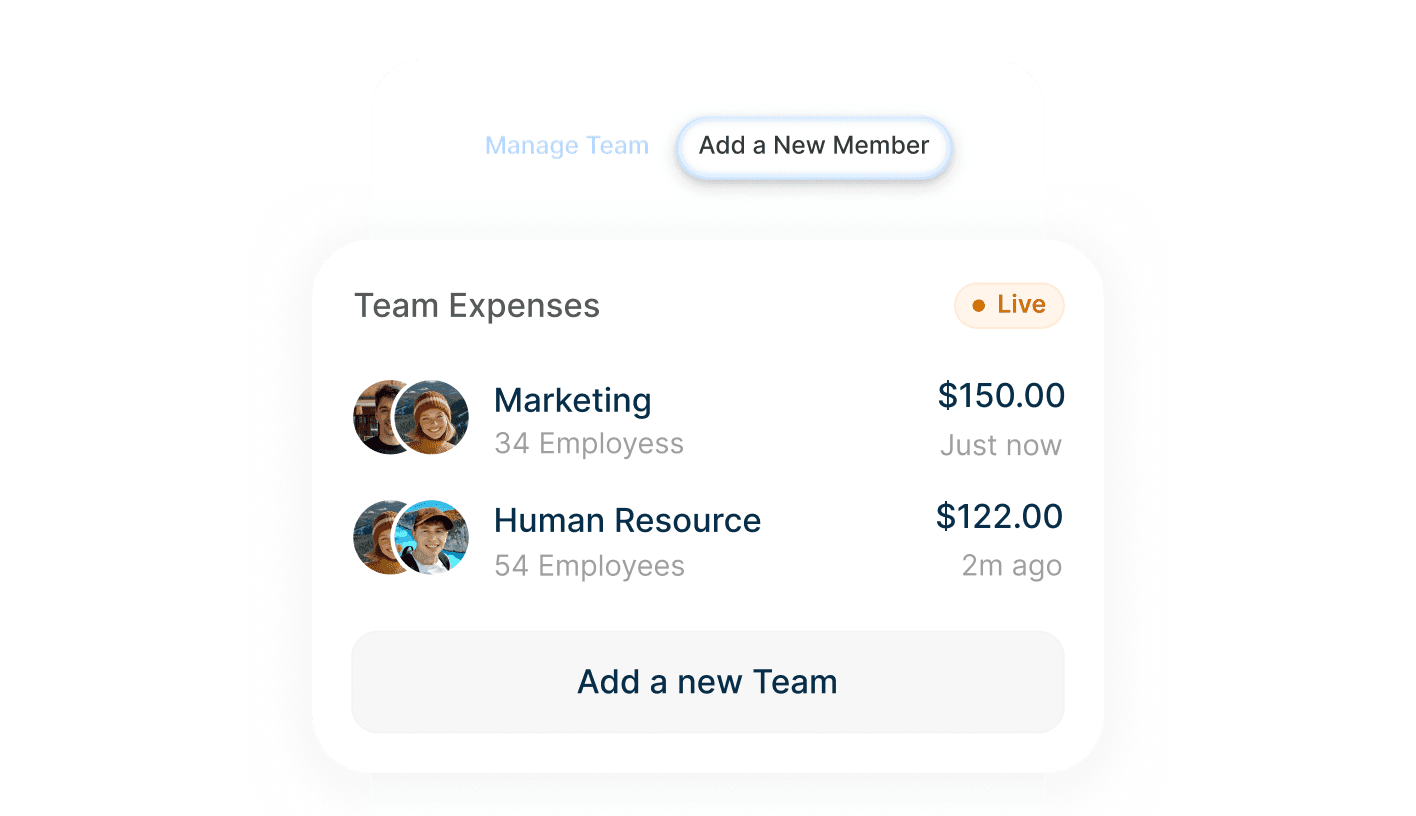
Team management
Full team management and spend oversight


Advertising