
Can You Use A Personal Card for Business Expenses?
Nothing stops you, and many businesses do. As a habit, though, it costs you in five ways: you lose visibility into spending, reimbursements pile up, personal and business records mix, you lose control over who spends what, and you miss out on cashback. A dedicated business card, such as a virtual dollar card, fixes all five.
5 minutes

Picture this: Your marketing manager needs to renew the company's Canva subscription. The Google Ads account is nearly empty, and a campaign goes live tomorrow. Someone on the product team has to pay for a software tool, and the founder has an international payment due before close of business.
Nobody would stop to build a payment system. Someone just reaches for a card that works. Sometimes it's the founder's. Sometimes it's an employee's, on the understanding that finance will reimburse them later.
If that sounds familiar, you're one out of many. Mastercard's 2026 SME Confidence Index found that 63% of Nigerian SMEs surveyed are still putting business spending on personal cards. It feels harmless. But repeat it for a few months, across different people, subscriptions and ad accounts, and a simple question gets surprisingly hard to answer: what is the business actually spending, and who approved it?
Below, we answer the questions Nigerian business owners ask most about this.
Why do so many Nigerian businesses pay with personal cards?
For many Nigerian businesses, using a personal card for company expenses is simply the fastest option available when an immediate payment needs to go through.
A founder might use their personal card to renew a software subscription, while the marketing manager pays for Meta Ads and another employee handles a Google Workspace subscription. Everyone gets the job done, and the business reimburses them later.
There are a few reasons this arrangement has become common:
Limited access to reliable international payment options: Not every Nigerian bank card works consistently for international online transactions. Businesses often turn to personal cards that have successfully processed similar payments.
Convenience: Employees already have cards linked to their bank accounts, so using one can seem faster than setting up a dedicated business payment arrangement.
Difficulty accessing business dollar cards: Some small businesses, particularly those without established corporate banking arrangements, may find it easier to use an existing personal card than explore business payment alternatives.
Informal financial processes: Smaller teams may not have dedicated finance departments or formal expense management systems. The founder or an employee simply pays first and requests reimbursement later.
Urgent business expenses: An advertising campaign needs funding, a subscription is about to expire, or a vendor needs immediate payment. When the business's usual payment method fails, someone reaches for a card that works.
The arrangement can work when transactions are occasional. However, as a business grows and starts paying for more advertising, software, cloud services and international vendors, relying on employees' personal cards becomes harder to manage.
Why does a personal card make business spending so hard to track?
Because the payments end up scattered across several people's statements, and nobody can see the full picture without collecting them first.

If a business spends $2,000 a month on advertising, software and cloud services, one person pays for Meta Ads, another handles Google Ads, and the founder covers the SaaS subscriptions. To learn the real monthly total, someone has to gather each statement, pick out the business transactions, confirm exchange rates and strip out anything personal. It can be done, but it's hours of work that adds no value, repeated every month.
The wider data suggests many Nigerian businesses struggle with this. A 2026 Visa survey of 251 Nigerian SMEs found that only 29% use a platform that connects payments with broader business management, while 94% find the idea appealing. Respondents also reported difficulty keeping payroll records organised (19%), preparing financial reports (16%) and tracking outstanding invoices (14%). Among businesses already using integrated tools, 93% were satisfied and 88% reported efficiency gains.
Personal cards widen that gap, because the company has to reconcile transactions across accounts it doesn't own.
What changes with a dedicated business card?
Payments for the business sit in one place, built around the business. Finance can track spending, spot recurring charges and build a reliable view of operating costs without waiting for anyone to forward a personal statement.
Can you control what employees spend without a business card?
Mostly, you can't. Control depends on trust, informal approvals and reimbursement policies, and a business can't set its own rules, such as limits or blocked merchants, on someone's personal bank card.
An employee pays for an approved subscription today and uses the same card for another business purchase tomorrow. Finance may not hear about the second one until the expense report lands. The pressure grows when departments run their own budgets: marketing needs a card for ads, product needs one for software and cloud tools. The tempting shortcut is one shared card for everyone, but that just trades one problem for another, with many people paying from one source and no clear accountability.
Business cards with spending controls are tidier. A company can issue separate cards for different teams or expense types, assign limits and, where the provider supports it, block particular merchants. Employees get what they need to make purchases. The business keeps sight of how its money is used.
Does paying with a personal card cost your business cashback?
It can, and it's the cost that's easiest to miss, because nothing visibly goes wrong. Your business spends money on advertising, software and cloud infrastructure every month, whatever card you use. Depending on the card and provider, a business may earn cashback on eligible spending. Some personal cards earn rewards too, but those rewards may not be as substantial as a business card’s, and they go to the cardholder, not the company.
For a business virtual dollar card like PIL, here's what cashback could look like for a business spending $5,000 a month on eligible international transactions:
Monthly Card Spend | Cashback Earned |
$100 to $1,000 | 0.5% |
$1,001 to $5,000 | 1% |
$5,001 to $10,000 | 1.5% |
Above $10,000 | 2% |
How does PIL help businesses separate and manage their spending?

PIL is a spend management platform for African businesses. Instead of leaning on the founder's personal card, or asking employees to pay and wait for a refund, businesses can create dedicated virtual dollar cards for operational expenses and manage them from one dashboard.
With PIL, businesses can:
Create up to eight business virtual dollar cards.
Set up cards for different teams, employees or payment purposes.
Set spending limits and manage merchant restrictions.
Fund their wallets using supported NGN, GHS and stablecoin options.
Pay for advertising, software subscriptions, cloud services and other international purchases, including on platforms such as Google, Facebook, LinkedIn, Adobe, Slack and AWS.
Earn up to 2% cashback on eligible card spending.
Card creation and card usage are free, so organising your payments doesn't add card fees to your operating costs. For a business that regularly pays for international services, that's a more structured way to handle spending while keeping company money and personal money apart.
You can explore PIL's business dollar cards to see how they work.
Frequently Asked Questions
Is it illegal to use a personal card for business?
Generally no, although it may breach some issuers' terms and complicate accounting. Check your own bank's terms and ask an accountant how it affects your tax records.
Can I claim business expenses paid with a personal card?
The rules depend on your country and how your business is structured, so confirm with an accountant. In any case, keep the receipt, record the purpose, and make sure each payment can be tied to the business. Clear records are what make a claim possible.
Do I need a domiciliary account to fund a virtual dollar card?
Not with PIL. You can fund a business wallet with naira, cedis or supported stablecoins (USDC and USDT), then create cards from it. Other providers have their own funding rules, so check before you sign up.
Can I use one virtual dollar card for Google, Meta and other platforms?
Technically, often yes. PIL cards work across platforms such as Google, Facebook, LinkedIn, Adobe, Slack and AWS. We'd still recommend separate cards per platform or team, so each one has its own limit and every charge is easy to trace.
How many business cards can I create with PIL?
Up to eight virtual dollar cards, each of which you can label by purpose, give its own limit and manage from one dashboard.
What should I look for in a business virtual dollar card in Nigeria?
Look at six things: how it's funded, whether it works on the platforms you use, spending limits and merchant controls, how easily finance can track payments, whether several teammates can have access, and the full fee picture, including conversion fees. Compare providers on those points rather than on headline claims.

Author
Ayodeji Falaye
More Stories


Because payments shouldn’t hold your business back

Intuitive Navigation
Intuitive navigation: access anything in seconds
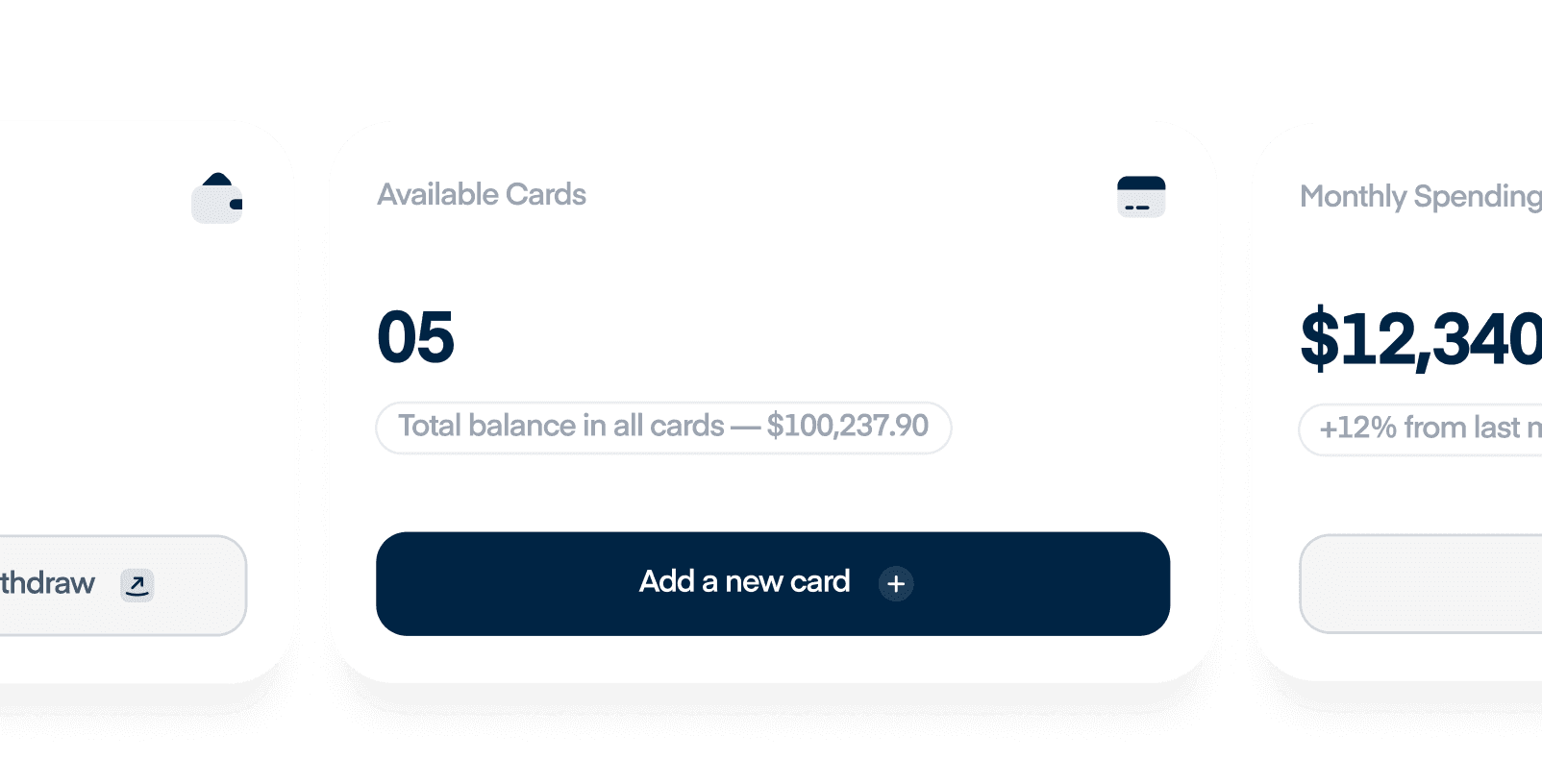
Manage Multiple Cards
Manage Multiple cards across teams and projects
Crypto funding


Fund in NGN, GHS, or Stablecoins

Team Cards
Assign cards to teams instantly
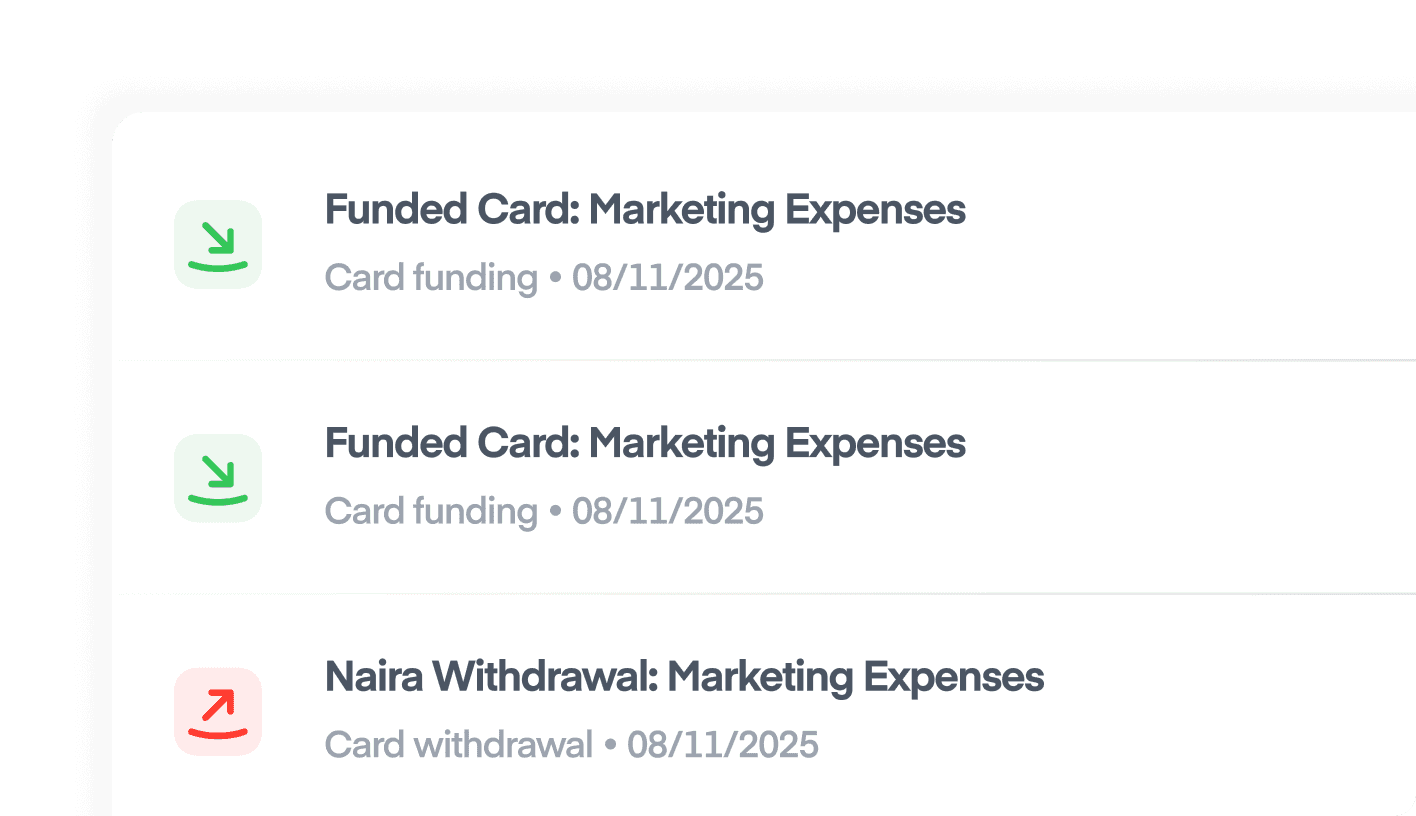
Expense Tracking
Track every expense in real time
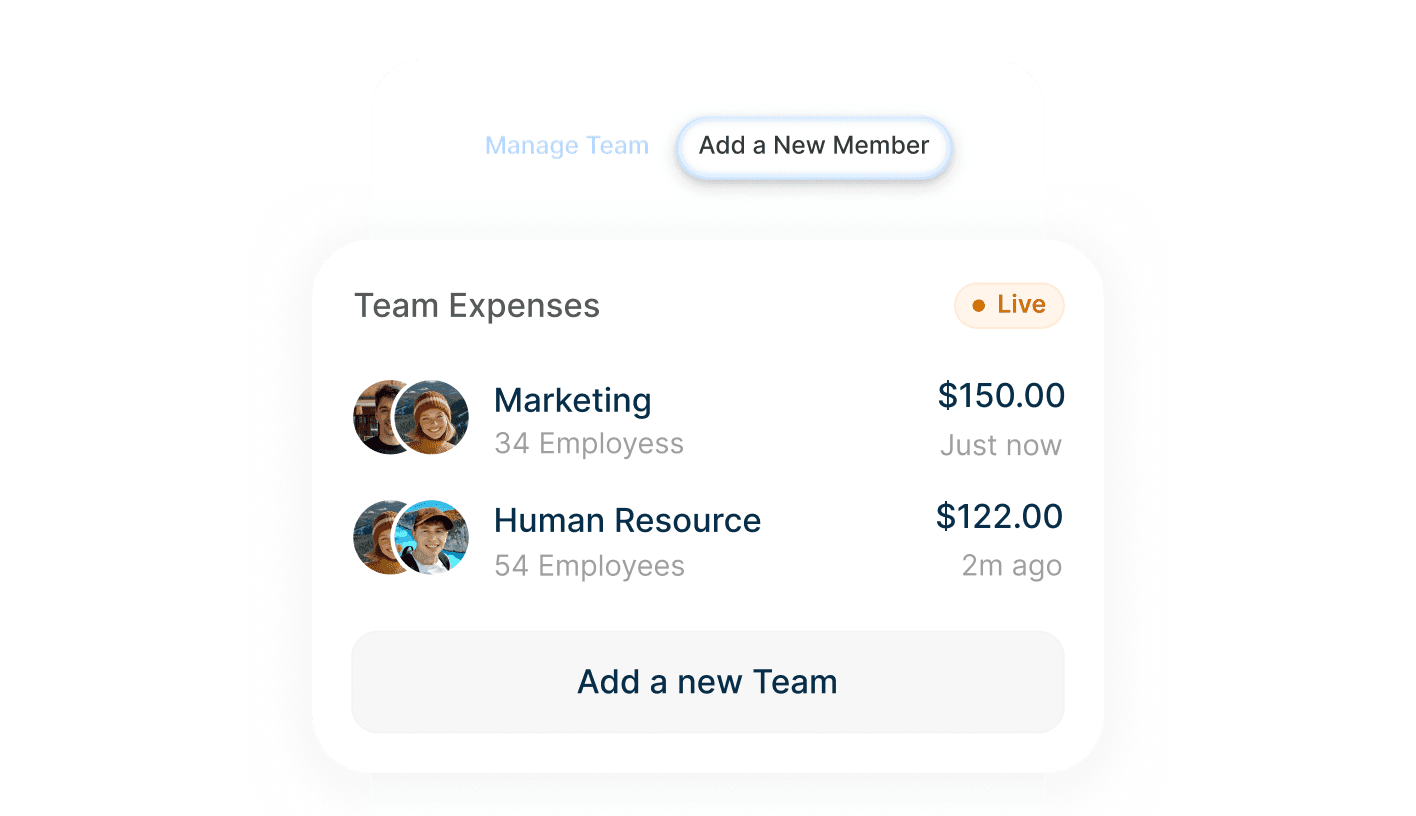
Team management
Full team management and spend oversight


Advertising