
Paying for Ads, SaaS and Cloud in Dollars: Why African Businesses Are Ditching Bank Cards for PIL
TL;DR: Businesses that pay for ads, software and cloud services in dollars are switching from bank cards to PIL because bank cards have limits, fail when payments are urgent, and show finance little detail. PIL lets a business fund a wallet in naira, cedi or stablecoins and issue up to 8 virtual dollar cards, each with its own owner and limit. Recurring payments keep running, budgets hold, and businesses earn up to 2% cashback on monthly card spend above $10,000.
6 Minutes

You open your ad dashboard on the last day of a campaign, and the payment fails. Or your cloud bill is due, your team is locked out of a tool, and the card that "worked fine last month" is now declined. If you run a business in Africa and pay for global services, you've probably lived this.
Ads, software and cloud services bill in dollars, they bill again every month, and they bill whether or not anyone is free to fix a problem. A bank card was built for a different job, and the gap between the two is where businesses lose money without noticing. We call that “dead money”, and this guide explains where it comes from and why more businesses are replacing bank cards with PIL to stop it.
Why do bank cards fail for ads, SaaS and cloud payments?
Bank cards fail on these payments because the bank, not the business, controls the card's limits and funding, and a standard bank card is designed for one person's occasional spending instead of recurring dollar billing across a team.
Three features of these payments raise the risk. They bill in dollars, so a naira card depends on the bank's access to foreign currency. They repeat, so a single limit change breaks every renewal that follows. They also arrive on the platform's schedule, which means a failure usually lands at the worst moment.
Nigerian banks show how quickly the ground can move. In early 2022, Zenith Bank and UBA cut the monthly international limit on naira card web transactions from $100 to $20, and international use of naira cards stayed suspended for about three years until banks including UBA, Wema and GTBank resumed it in July 2025. Limits have climbed quickly since then. In August 2026, GTBank doubled its quarterly international limit from $20,000 to $40,000, and other banks have raised theirs too. The direction is encouraging, but the bank decided every one of those changes. A limit that your bank can cut, suspend or restore at any time is still hard to plan a renewal or a campaign around.
The common causes behind a failed payment are:
The bank sets and changes the limits, usually without a warning that is useful to the business.
Funding depends on a dollar account that many businesses do not have.
Everyone shares the same card details, so one expired or exposed card disrupts every team and every payment need.
All charges land on one statement, with no split by team, project or vendor.
Nothing alerts you that a balance is running low before a payment fails.
The declined charge is the smallest part of the cost. A paused ad campaign loses leads and momentum, a lapsed software plan locks people out of daily tools, and a failed cloud payment can put a live product at risk.
What is dead money, and how do bank cards create it?
Dead money is money that leaves your business and returns nothing, such as a charge for a tool nobody uses, spend nobody can trace, or a payment that fails and has to be repeated through a costlier route.
Bank cards create it because they give finance no structure to work with. A single statement cannot say which team spent what, so forgotten subscriptions renew unnoticed. Flexera’s 2026 State of ITAM report says wasted SaaS spend keeps rising, and while it surveys large organisations, the mechanism holds at any size: spend that nobody owns is spend that nobody questions.
How does PIL fix these problems?

PIL is a business spend management platform that issues virtual USD cards for companies that pay for ads, software and cloud in dollars but earn and hold money in local currency. You fund a wallet in naira, cedi or stablecoins, and PIL converts to dollars when you move money to a card.
Here is how it answers each bank-card failure:
Limits you control. Each card gets its own owner and spending limit, so a campaign that runs hot cannot spend more than you allocated, and an exposed vendor means freezing one card while the rest keep running.
No dollar account needed. Fund in the currency you hold and spend anywhere dollar cards are accepted. A small FX fee applies when you fund a card from your wallet.
Warning before failure. Low-balance alerts go to everyone assigned to the card, and automatic top-up can refill it from your wallet before a payment fails.
Control over who can charge you. Block Merchant stops a specific vendor from charging a card, so a subscription you cancelled cannot quietly bill you again.
Visibility without chasing people. Every card has its own live transaction list and exportable statement, and role-based access lets teams request funds while owners and admins approve them.
Money back on spend you already make. Cashback of 0.5% to 2% on monthly card spend turns part of what used to be dead money into a return.
How do PIL cards compare with bank cards?
Features | Bank Cards | PIL cards |
Card access | Everyone uses the same details | Each team, project or vendor has its own card |
Limits | Set by the bank, and can be unpredictable | Set by you, per card |
Funding | Tied to the bank account | Naira, Cedi, or stablecoin wallet |
Visibility | Charges appear on one bank statement, with no breakdown by team, project or vendor | Every card’s transactions are visible in real time, and you can download each card’s report within a selected date range |
Team Member Offboarding | No way to remove one person without disrupting everyone | Freeze or terminate one card |
A case study of what PIL looks like in practice
Breet, a crypto exchange fintech, used to run its tools on one centralised card. When that card hit its limit, services such as AWS stopped, and urgent payments sometimes waited for an approver in another time zone. After Breet moved to PIL, each department and platform got its own card, and finance got one dashboard showing every transaction as it happened. Breet's team reports no project pauses or payment failures since the move, and subscriptions that had gone unnoticed for a full quarter were found and cancelled.
Breet's COO described the change as "distributing spending power in a really smart way." Its HR lead said seeing spend per tool and per team helps her have better conversations about headcount and resource planning.
Watch how Breet describes PIL cards here:
Who should switch to PIL, and who can wait?
PIL fits most when:
You run regular paid ads on Meta, Google, TikTok or LinkedIn.
You pay for several SaaS tools and want clean subscription tracking.
You depend on cloud services where a failed payment affects uptime.
You manage client budgets as an agency and need a card per client.
A team spends on shared cards and you need to see who spent what.
If you spend a small, steady amount on one or two tools and your bank card has never failed, you can wait. The case for switching grows with every added tool, team member and campaign, because the cost of one failed payment and of every blind spot grows with them.
How do you switch from a bank card to PIL?

You can switch by moving one vendor at a time.
List every recurring international payment, including ads, software, cloud, domains and contractors.
Sign up, complete KYC verification, and fund your PIL wallet in naira, cedi or a supported stablecoin.
Create one card for each category and give each a name, an owner and a limit.
Move your payment methods across one vendor at a time, starting with the least critical.
Review each card's statement at month end and adjust the limits to match real spend.
Failed payments, forgotten subscriptions and charges you can't account for all cost your business money. PIL helps you stay on top of spending with dedicated cards for teams and vendors, custom spending limits and up to 2% cashback.
Frequently asked questions
Why do bank cards fail for ads, SaaS and cloud payments?
Banks set and change the limits, funding often depends on a dollar account, and shared card details spread any failure across every team. Nigerian banks have repeatedly cut and then restored international limits on naira cards, which makes planning around them difficult.
Can I pay for dollar services with only a naira account?
Yes. With PIL you can fund the wallet in naira and spend in dollars, so you do not need a dollar account.
Can I pay for Google Ads, Meta Ads and AWS with PIL?
Yes. PIL cards work on any website that accepts dollar card payments, including Meta Ads, Google Ads, TikTok, LinkedIn, AWS and Slack.
What happens to a card when an employee leaves?
You terminate that one card from the dashboard. Access ends immediately, any remaining balance returns to your company wallet, and every other card keeps working.
Is PIL safe for business payments?
PIL is PCI DSS compliant, verifies every business through KYC and KYB, and protects cards with PINs. Because each team or project has its own card, an exposed card puts only that card’s balance at risk.

Author
Ayodeji Falaye
More Stories


Because payments shouldn’t hold your business back

Intuitive Navigation
Intuitive navigation: access anything in seconds
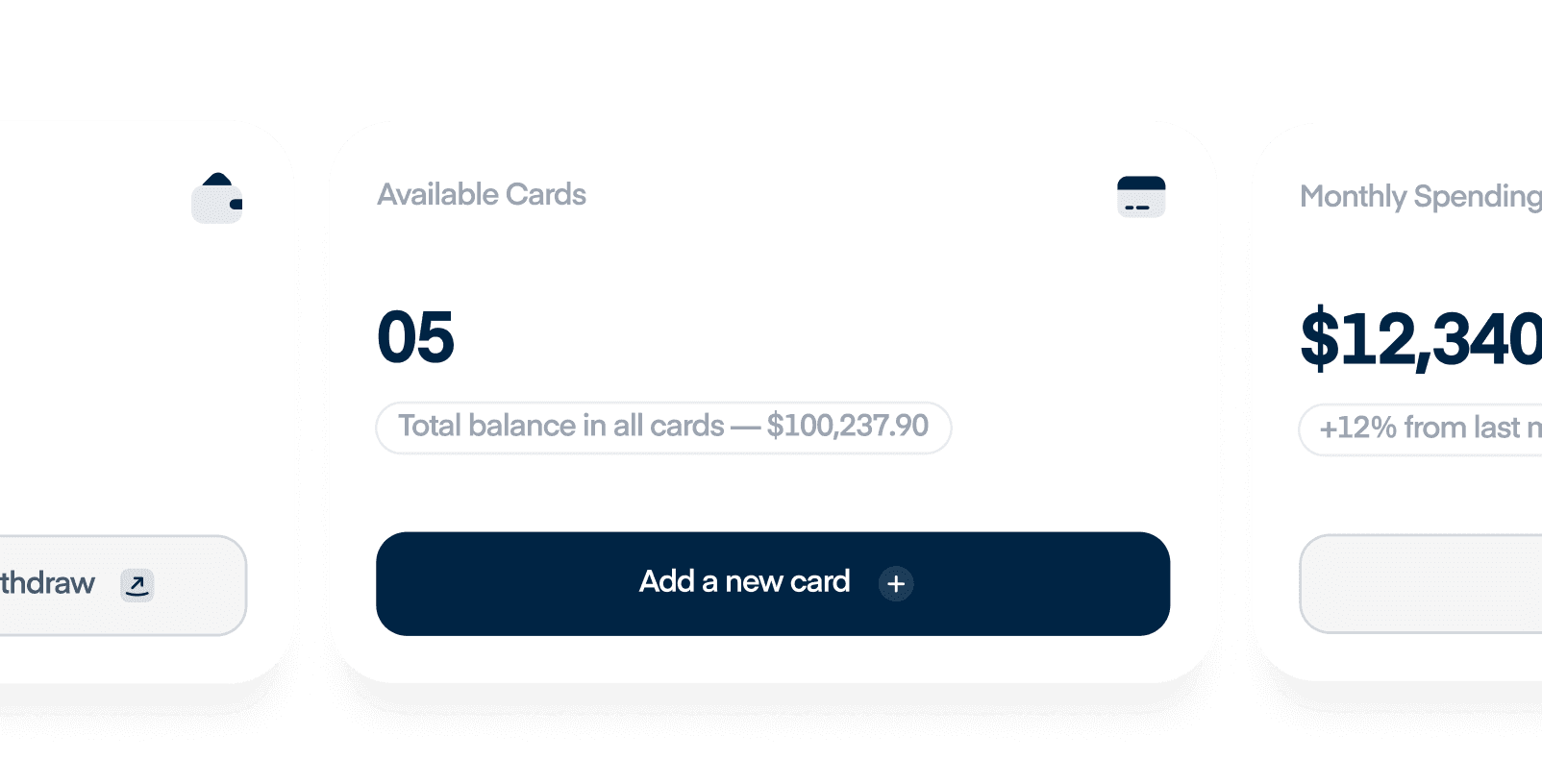
Manage Multiple Cards
Manage Multiple cards across teams and projects
Crypto funding


Fund in NGN, GHS, or Stablecoins

Team Cards
Assign cards to teams instantly
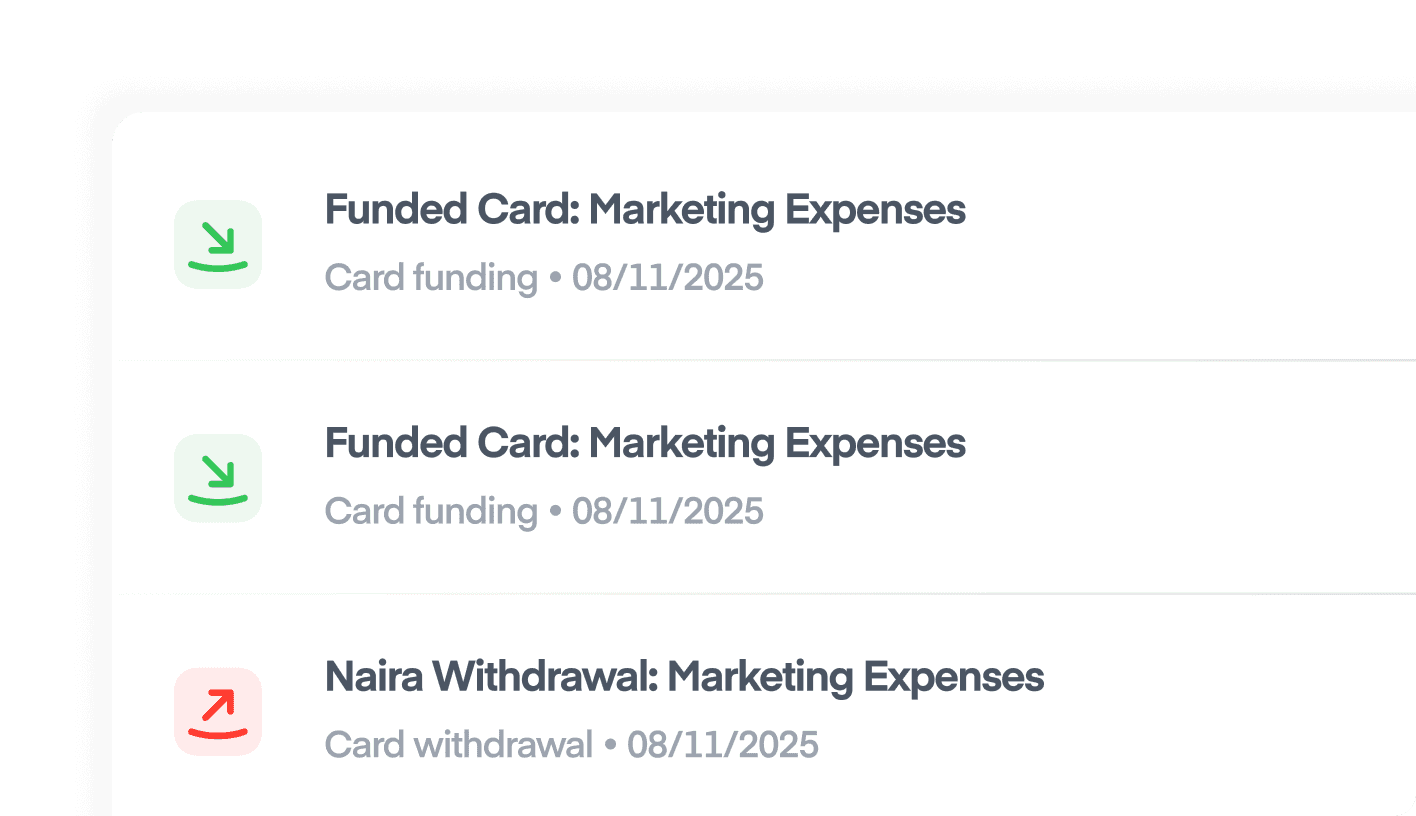
Expense Tracking
Track every expense in real time
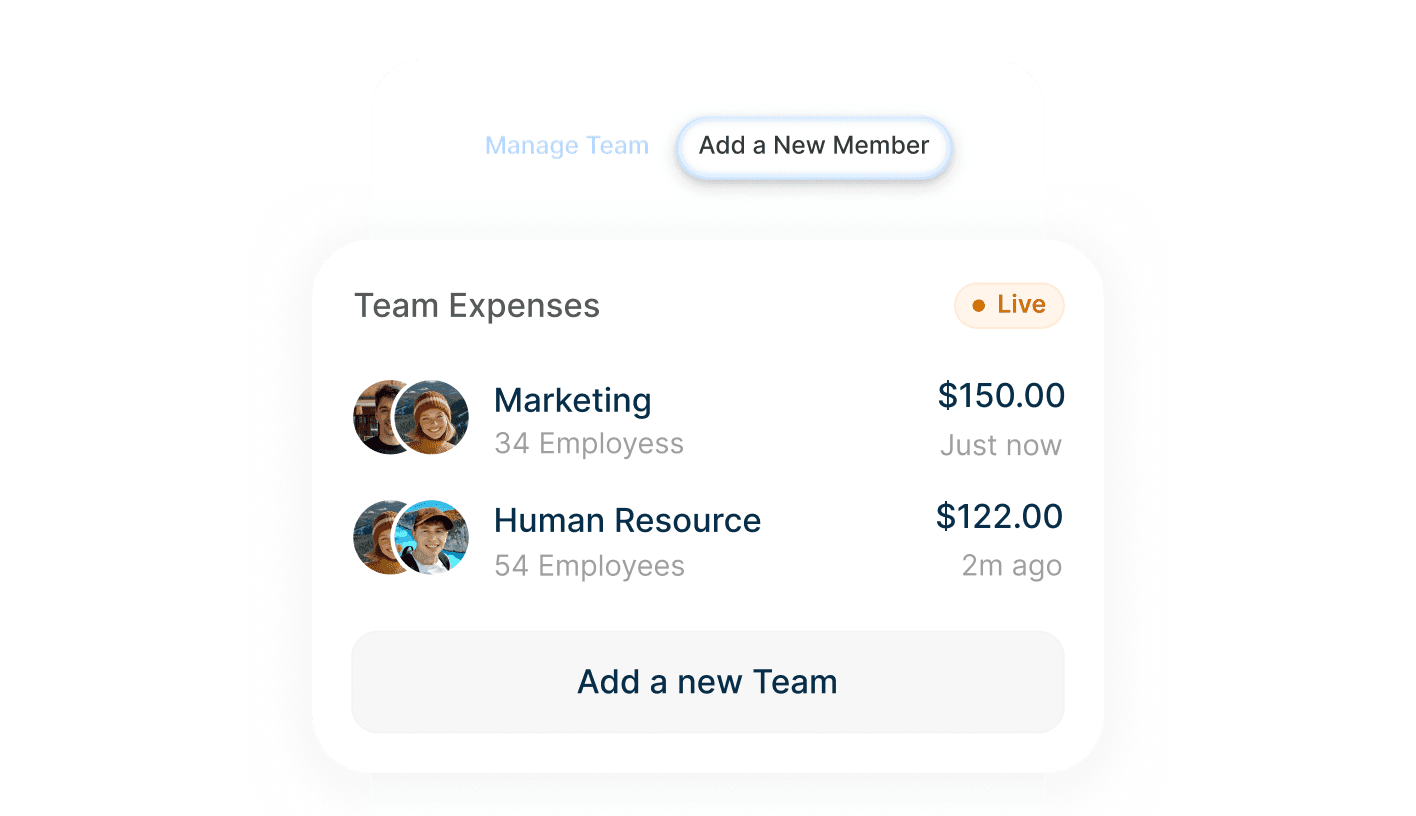
Team management
Full team management and spend oversight


Advertising