
What Happens to Your Money When a Customer Pays by Card?
This article explains how card processing works, the parties involved in a transaction, and how payments move from the customer to a business. It also covers processing fees, settlement timelines, the requirements for accepting card payments, and how businesses can calculate their effective processing rate to understand the true cost of accepting card payments.
14 Minute

When a customer pays for your product or service with a credit or debit card, several things happen before the money reaches your business account. The payment must be checked, approved, processed and settled. Each stage involves different systems, and each can affect how much you pay in fees and how quickly you receive your money.
Every card payment comes with a fee, and the money does not always reach your account immediately. If you run a business, you need to know how much each transaction costs and when you can expect to receive the money.
For businesses operating across Africa, there is another consideration. Collecting money from customers is only one part of managing business payments. You also need a reliable way to pay international vendors, advertising platforms, software providers and other services your business depends on.
This guide explains how credit card payment processing works, what it costs, how to choose a suitable payment provider and what to consider when managing payments across borders.
What Is Credit Card Payment Processing?
Credit card payment processing is the system that allows a business to accept card payments, verify transactions and receive money from customers. Several financial institutions and payment technologies work together to authorize a transaction and transfer the funds.
Although people commonly refer to the process as credit card processing, the same basic system also supports debit card payments.
For a small business, the process usually begins when a customer enters their card details online or taps, inserts or swipes a card at a payment terminal. The payment system sends the transaction details to the relevant financial institutions for verification. If the transaction is approved, the payment proceeds to settlement, and the business receives the funds according to its provider's payout schedule.
There are two important stages to understand:
Authorization: The customer's bank checks the transaction and approves or declines it. This usually takes a few seconds.
Settlement: The transaction is processed for payment, and the funds are transferred through the payment system to the business according to the provider's settlement schedule.
An approved transaction does not necessarily mean the money is already available in your account. Settlement may take additional time, depending on the provider, transaction type, business risk checks and banking schedules.
How Does Credit Card Payment Processing Work?

A card payment involves several steps, even when the customer experiences only a brief confirmation message at checkout.
The customer initiates the payment: The customer chooses to pay with a credit or debit card. They might enter their details on your website, follow a payment link, or use a physical point-of-sale terminal in your shop.
The payment system securely collects the details: A payment gateway captures the transaction information and transmits it securely to the relevant payment processor. The exact arrangement depends on the provider and the checkout method.
The transaction passes through the payment network: The processor routes the transaction through the acquiring side of the payment system and the relevant card network to the bank that issued the customer's card.
The customer's bank approves or declines the transaction: The issuing bank checks the transaction against factors such as available funds or credit, card status, authentication requirements and potential fraud indicators. It then returns an approval or decline response.
The transaction moves into clearing: Approved transactions are submitted for clearing. During this stage, the relevant parties exchange transaction information and calculate the amounts owed between them.
The funds are settled: The payment moves through the acquiring and processing arrangements, and the business receives its payout after applicable fees and adjustments. The time required depends on the provider's settlement schedule and any additional checks.
For example, imagine a customer buys a product worth ₦100,000 from your online store. The payment is authorized immediately, but you may not receive the full amount in your bank account at that moment. Your provider processes the transaction, deducts its applicable fees and settles the remaining amount according to its payout terms.
A sale may be complete before the money reaches your account, which can also affect how you plan and pay for upcoming expenses.
Who Is Involved in a Card Payment?

Several parties may be involved in a single card transaction, and knowing what each one does helps you understand a payment and who to contact if it fails.
The customer or cardholder is the person making the purchase with a credit or debit card.
The merchant is the business accepting the payment.
The payment gateway securely collects and transmits payment information, particularly for online transactions.
The payment processor handles the transaction information and routes it through the relevant payment systems.
The acquiring bank or acquirer provides the acquiring services through which the merchant's card transactions are accepted and settled.
The card network provides the rules and infrastructure that connect participating financial institutions. Visa and Mastercard are familiar examples.
The issuing bank is the financial institution that issued the customer's card and decides whether to authorize the transaction.
Some payment providers combine several of these functions into a single service. This means a small business may work with one provider without needing to manage separate relationships with every institution involved.
What Do You Need to Accept Credit Card Payments?
The requirements depend on where you sell, how customers pay and which payment provider you choose. However, most businesses need the following:
A payment acceptance method
You need a way to collect the customer's payment details. This could be an online checkout, a payment link, an invoice with a payment option or a physical card terminal. The right method depends on your business model. An online store may need a checkout integrated with its website, while a consultant who invoices clients may find payment links more practical.
A payment processing provider
You need a provider that can accept the payment methods your customers use and settle funds to an account you can access. Before signing up, confirm that the provider supports your country, business type, preferred currencies and expected transaction volumes. You should also understand its verification requirements and any restrictions on your industry.
A suitable payout destination
Your provider needs to know where to send your settlement funds. Depending on the service and your location, this may be a personal bank account, a business bank account or another supported destination.
Do not assume every provider has the same requirements. Check its current eligibility rules before building your payment process around it.
Business and identity verification
Payment providers commonly request identity information, business details and supporting documents. These checks help them meet regulatory obligations and assess the businesses using their services. The documents required will depend on the provider, your country and whether you register as an individual or a business.
What Are the Different Ways to Accept Card Payments?
Businesses can accept card payments through several channels. Each serves a different purpose, so the most suitable option depends on how customers interact with your business.
Online checkout: An online checkout allows customers to pay directly on your website or within your application. It works well for e-commerce businesses, online services and businesses that accept orders digitally. A well-designed checkout should make the payment process clear, work properly on mobile devices and provide customers with confirmation when their transactions are completed.
Payment links: A payment link directs a customer to a payment page where they can complete a transaction. You can share the link through email, messaging applications or social media, depending on the provider's supported features. Payment links are useful for businesses that sell through WhatsApp, Instagram or direct conversations and do not need a full e-commerce website.
Point-of-sale terminals: A point-of-sale terminal accepts payments from customers who are physically present. Customers can tap, insert or swipe their cards, depending on the terminal and card capabilities. This method is useful for shops, restaurants, service businesses and other merchants that operate in person.
Recurring card payments: Some providers support recurring payments for subscriptions, memberships and other services that charge customers on a regular schedule. Businesses using recurring payments should explain their billing terms clearly, obtain the required customer authorization and provide an appropriate way to manage cancellations.
Bank transfers and other local payment methods: Card payments are only one part of the payment ecosystem. Depending on the country and provider, customers may also be able to pay through bank transfers, USSD, mobile money or other locally supported methods.
How Much Does Credit Card Payment Processing Cost?
Credit card processing fees vary by country, provider, payment method, transaction type and business agreement. Some providers charge a percentage of each transaction, while others combine a percentage with a fixed fee.
However, across the payment industry, average credit card processing fees range from 1.5% to 3.5% per transaction, with in-person payments typically sitting near the lower end and online card-not-present sales trending higher due to increased fraud risks
For planning purposes, it is useful to understand the main types of charges you may encounter:
Transaction fees are charged when a payment is processed; flat-rate online payment providers typically charge a benchmark rate of 2.9% plus $0.30 per successful online charge
Interchange fees are generally paid to the issuing bank as part of the card payment economics. Their amounts depend on factors such as the card type, transaction and market.
Card network assessments are charges associated with the card network's role in processing transactions.
Processor markups are the fees charged by the payment provider for its services.
International payment and currency conversion fees may apply when a transaction involves a foreign-issued card or currency conversion.
Chargeback fees may apply when a customer disputes a transaction through their bank.
Some providers also charge for additional services, faster payouts or other account features. You should review the full pricing schedule instead of comparing providers using a single advertised rate.
How do you calculate the real cost of processing payments?
Suppose your business processes ₦1,000,000 in card payments over a month and pays ₦20,000 in processing fees.
Your effective processing rate is:
Effective rate = (Total processing fees ÷ Total card sales) × 100
In this example, your effective rate is 2%.
This calculation helps you understand what processing actually costs your business. You can use it to compare periods, assess the effect of changes in transaction volume and determine whether your current payment setup remains suitable.
Remember to include relevant additional charges in your calculation. If you exclude international payment fees, refunds or other applicable costs, your estimate may not reflect the full expense.
How Long Does Credit Card Payment Processing Take?
Card authorization usually takes seconds. Receiving the money can take longer because authorization and settlement are separate stages; standard payouts typically take 1 to 3 business days, though international payments or initial account reviews can extend this timeline. Some providers offer next-business-day payouts for eligible transactions, while others use different settlement schedules. International payments, weekends, public holidays, account reviews and unusual transaction activity can also affect when funds become available.
When evaluating a provider, however, ask the following questions:
When does the settlement clock begin?
Are weekends and public holidays included?
Does the provider use a cutoff time for daily transactions?
Are international transactions settled on the same schedule as local transactions?
Can new accounts or unusual transactions be subject to additional review?
Are faster payouts available, and do they incur additional fees?
These details are particularly important for businesses that rely on customer payments to fund payroll, purchase inventory or pay suppliers.
How Can a Small Business Choose the Right Payment Processor?
The right provider should support your business's actual payment needs, transaction volumes and operating markets. A provider that works well for a local retail shop may not be the best choice for an online business serving customers in several countries.
Consider the following factors before making a decision.
Check country and currency support
Confirm that the provider accepts businesses registered in your country and supports the payment methods your customers use. If you serve international customers, check its rules for foreign-issued cards and cross-border transactions.
Also confirm the currency in which your settlements will arrive and whether conversion fees apply.
Compare the complete fee structure
Review transaction fees, fixed charges, international card fees, currency conversion costs, refund policies and chargeback fees. Consider your average transaction value when comparing percentage-based and fixed fees. A fixed charge can have a larger effect on smaller purchases.
Understand settlement schedules
Find out how quickly the provider makes your money available and whether the schedule changes according to transaction type, country or account status. A lower processing fee may not be the best choice if the settlement arrangement creates cash flow problems for your business.
Review payment methods
Consider whether your customers prefer cards, bank transfers, mobile money or other locally available options. Offering the right combination can help customers complete purchases through methods they already understand and trust.
5. Evaluate security and fraud protection
Look for appropriate security controls, authentication options, fraud monitoring and clear procedures for handling disputed transactions. Ask what the provider handles on your behalf and what remains your responsibility. Using a hosted checkout can reduce the amount of sensitive card information your own systems handle, although it does not remove every security or compliance obligation.
6. Check integration and support
Your payment system should work with your website, accounting process and order management tools. You should also understand how to access transaction records, issue refunds, investigate failed payments and contact support when something goes wrong.
A payment system is part of your daily operations. The easier it is to manage, the less time your team may spend resolving avoidable payment issues.
Frequently Asked Questions About Credit Card Payment Processing
What is credit card payment processing?
Credit card payment processing is the system that verifies card transactions, routes payment information through the relevant financial institutions and settles approved payments to a business. It includes authorization, clearing and settlement, with fees deducted according to the provider's terms.
What is the difference between a payment gateway and a payment processor?
A payment gateway securely collects and transmits payment details, particularly for online transactions. A payment processor handles transaction routing and processing through the relevant payment infrastructure. Some providers combine both functions into one service.
Can a small business accept credit card payments without a website?
Yes. Depending on the provider, a business can use payment links or hosted payment pages shared through email, messaging applications and social media. The business must still meet the provider's eligibility and verification requirements.
Is credit card processing available to businesses in Nigeria?
Yes. Businesses in Nigeria can use payment providers that support Nigerian merchants and their preferred payment methods. Availability, fees, verification requirements and settlement arrangements differ by provider, so businesses should confirm the current terms before registering.
What is the difference between accepting card payments and making international business payments?
Accepting card payments allows a business to collect money from customers. Making international business payments involves paying vendors, service providers and other recipients, often in a foreign currency. These activities require different capabilities, and a business may need separate tools to manage each one.
How can businesses manage international software and advertising expenses?
Businesses can establish budgets, use dedicated payment cards for different expenses, set spending limits and review transactions regularly. A business spending platform such as PIL can help organize eligible international payments and provide a central view of card activity.

Author
Ayodeji Falaye
More Stories



Because payments shouldn’t hold your business back

Intuitive Navigation
Intuitive navigation: access anything in seconds
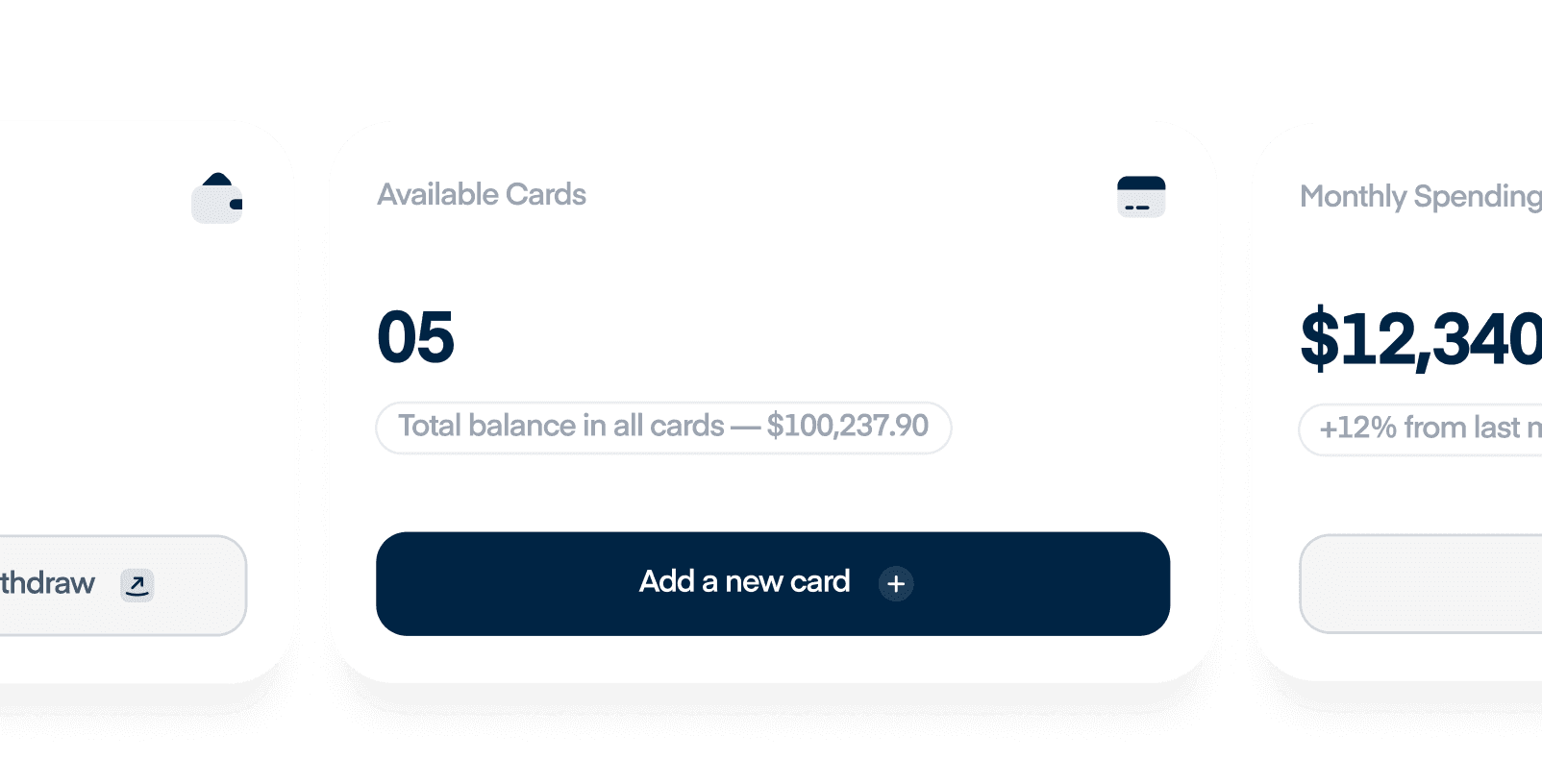
Manage Multiple Cards
Manage Multiple cards across teams and projects
Crypto funding


Fund in NGN, GHS, or Stablecoins

Team Cards
Assign cards to teams instantly
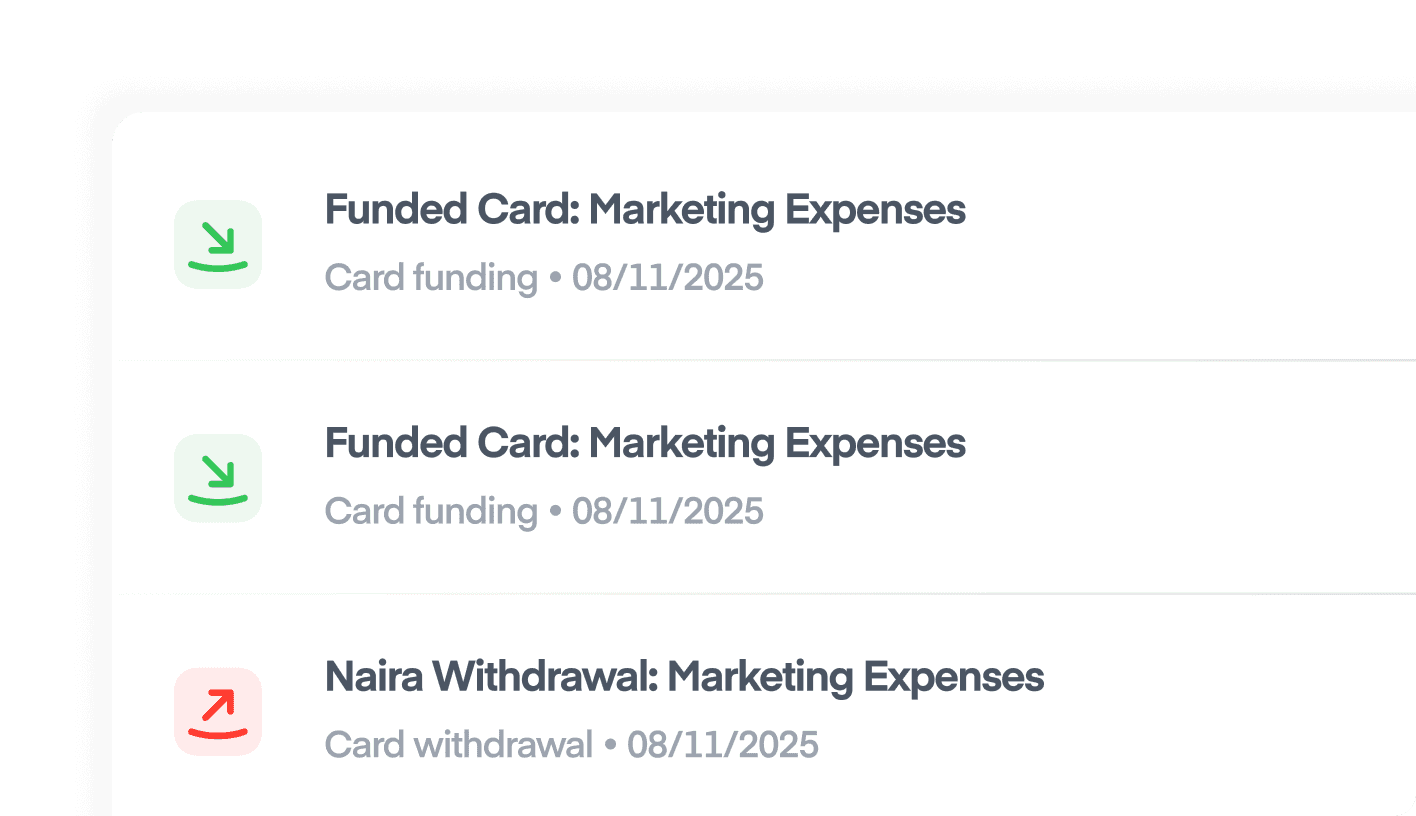
Expense Tracking
Track every expense in real time
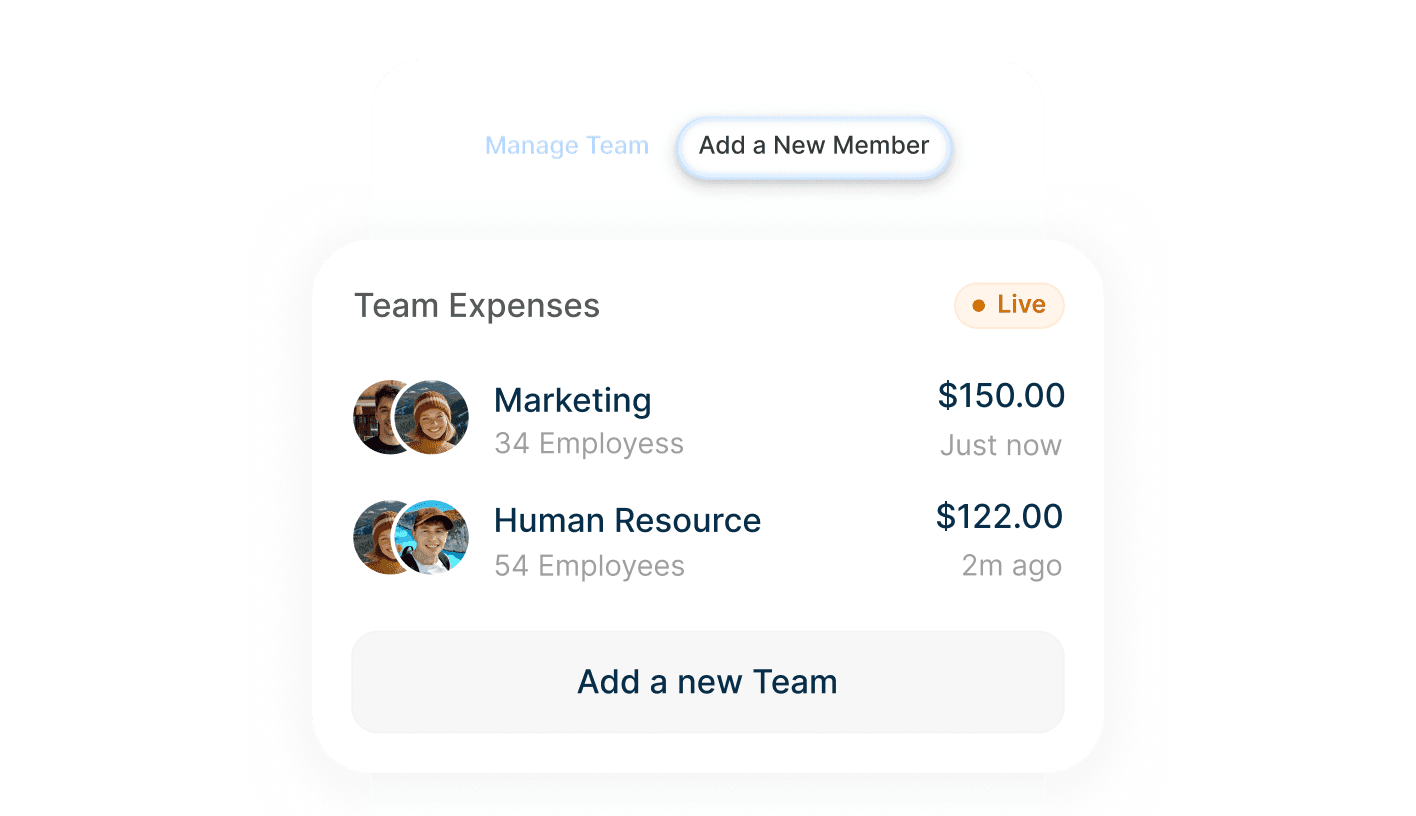
Team management
Full team management and spend oversight


Advertising