
The Tools Declining Your Nigerian Card (And What Works Instead)
TL;DR: If you're spending a meaningful amount each month on foreign platforms for jobs a naira-payable tool could already handle, switching is the fastest way to cut both your costs and your risk of a card decline. For some tools like AWS or Figma, there may be no comparable local alternative, so the practical fix is having a card that can reliably handle international payments.
So which tools can you swap, what card handles such international payments reliably, and how do you set them up? We break this down below.
4 Minutes

The Nigerian card problem many founders run into
There’s a scenario many Nigerian founders might relate to: it's past midnight, and you text a friend in Toronto, asking if you can put your AWS bill on their card this month and pay them back in naira at whatever rate they want. It's not the first time. Last month it was a Google Ads campaign. Before that, a Figma subscription you needed to hit a client deadline. You've bought a virtual dollar card from a reseller twice this year, at a markup that made you wince both times, because your own card failed at checkout and the deadline wasn't moving.
The truth is, you are not running a bad business; it’s simply a payment issue. A card can work perfectly well for everyday spending in Nigeria and still run into problems when a foreign platform tries to charge it. So founders are forced to improvise. But those card declines fall into two different problems, and knowing which one you're facing tells you what to actually do about it.
5 Tools declining your Nigerian card and better alternatives
For these use cases, you don't necessarily need to fight the foreign-card problem at all. There are cheaper or African alternatives that are designed for the market, often cost less, and can be paid for with a card that can be funded in naira, cedis, or stablecoins.
Sending OTPs, SMS, and WhatsApp messages
Global default | Alternatives | |
Tool | Twilio | Termii / Africa's Talking |
Billing | Bills in dollars, foreign card required | Local billing/payment options available |
The catch | Delivery on Nigerian networks can lag, and every top-up risks a decline | Built with African markets and local messaging infrastructure in mind |
An OTP that doesn't arrive is a user who doesn't finish signing up. This is one of the few swaps where the local option is arguably the better product, not just the cheaper one.
Collecting payments from your own customers
Global default | Alternatives | |
Tool | Stripe/Paypal | Paystack / Flutterwave |
Billing | May introduce unnecessary currency conversion and cross-border payment costs when your customers are paying in naira | Settles directly in naira |
The catch | Extra fees, extra conversion, extra failure points for money that never left the country | Designed for Nigerian payments and direct naira settlement |
Bookkeeping and invoicing
Global default | Alternatives | |
Tool | QuickBooks / Xero / Sage | Wave (free) / Zoho Books |
Billing | Typically sold on international pricing plans and may require an international payment method | Free or lower-cost options, with support for local businesses |
The catch | You're paying a foreign subscription to track spending that's mostly happening in Nigeria anyway | Covers the basics most early startups actually need |
Payroll
Global default | Alternatives | |
Tool | Deel / Rippling | Bento / PaidHR |
Billing | Built for distributed international teams, dollar billing | Several plans bill in naira |
The catch | Designed primarily for international teams, so Nigerian statutory payroll requirements may require additional local handling | Built around Nigerian payroll and statutory requirements |
Email and lifecycle marketing
Global default | Alternatives | |
Tool | Customer.io and similar | Brevo |
Billing | International billing, with costs that can increase as your contact or sending volume grows | Free and low-cost tiers, no foreign card needed to start |
The catch | Overkill and expensive for an early-stage product's actual sending volume | Can cover the core email and lifecycle needs of an early-stage product at a lower starting cost |
This is not an exhaustive list. There's a comprehensive resource where we curate 24 tool categories containing 50+ tools: foreign options and their cheaper or African alternatives, price range, and over $500,000 in free credits you can claim as an African founder.
But why does your card keep failing in the first place?
Some Nigerian banks restrict international transactions by default. Some foreign platforms flag Nigerian-issued cards for extra screening. And the foreign currency limits on many Nigerian cards sit below what a real software stack costs. None of this is a verdict on how you're running your business, it's just that Nigerian banking and these platforms were never built to work together.
And for tools like AWS, Figma, or GitHub, that gap doesn't really have a local fix. They're global products with no equivalent that matches their scale, so if you need them, the only real workaround is a payment method built to clear the charge, like PIL.
A card that works for both foreign tools and local alternatives
Sometimes you'll still pay foreign even when a local option exists, because your team knows Twilio and your accountant only uses QuickBooks. And sometimes, you’ll have to pay in dollars because some cheaper tools still charge in dollars. Either way, your card still has to work, and that’s what PIL helps Nigerian businesses handle.
PIL provides a corporate virtual card for local businesses, fundable in naira, cedis, or stablecoins, that spends in dollars like a local card spends in naira. It replaces the friend's card, the reseller, the street-rate dollars bought under deadline pressure.
Start with PIL and pay for your own tools, on your own terms.
FAQs
Why do Nigerian cards get declined by foreign platforms?
International transaction limits, bank restrictions, and merchant screening can all cause declines. A card that works locally may still fail on a dollar charge.Should I replace foreign tools with Nigerian alternatives?
When a local tool does the job well, it can save you money and avoid international payment issues. For tools like AWS, Figma, and GitHub, you may simply need a reliable international payment method.What if I still need to pay for foreign software?
You need a card that can reliably handle international charges. PIL lets Nigerian businesses fund a corporate virtual card in naira, cedis, or stablecoins and spend in dollars.Where can I find cheaper tool alternatives and credits?
The Startup Savings Vault covers 24+ categories, 50+ tools, cheaper alternatives, and more than $500,000 in startup credits available to African founders.

Author
Ayodeji Falaye
More Stories


Because payments shouldn’t hold your business back

Intuitive Navigation
Intuitive navigation: access anything in seconds
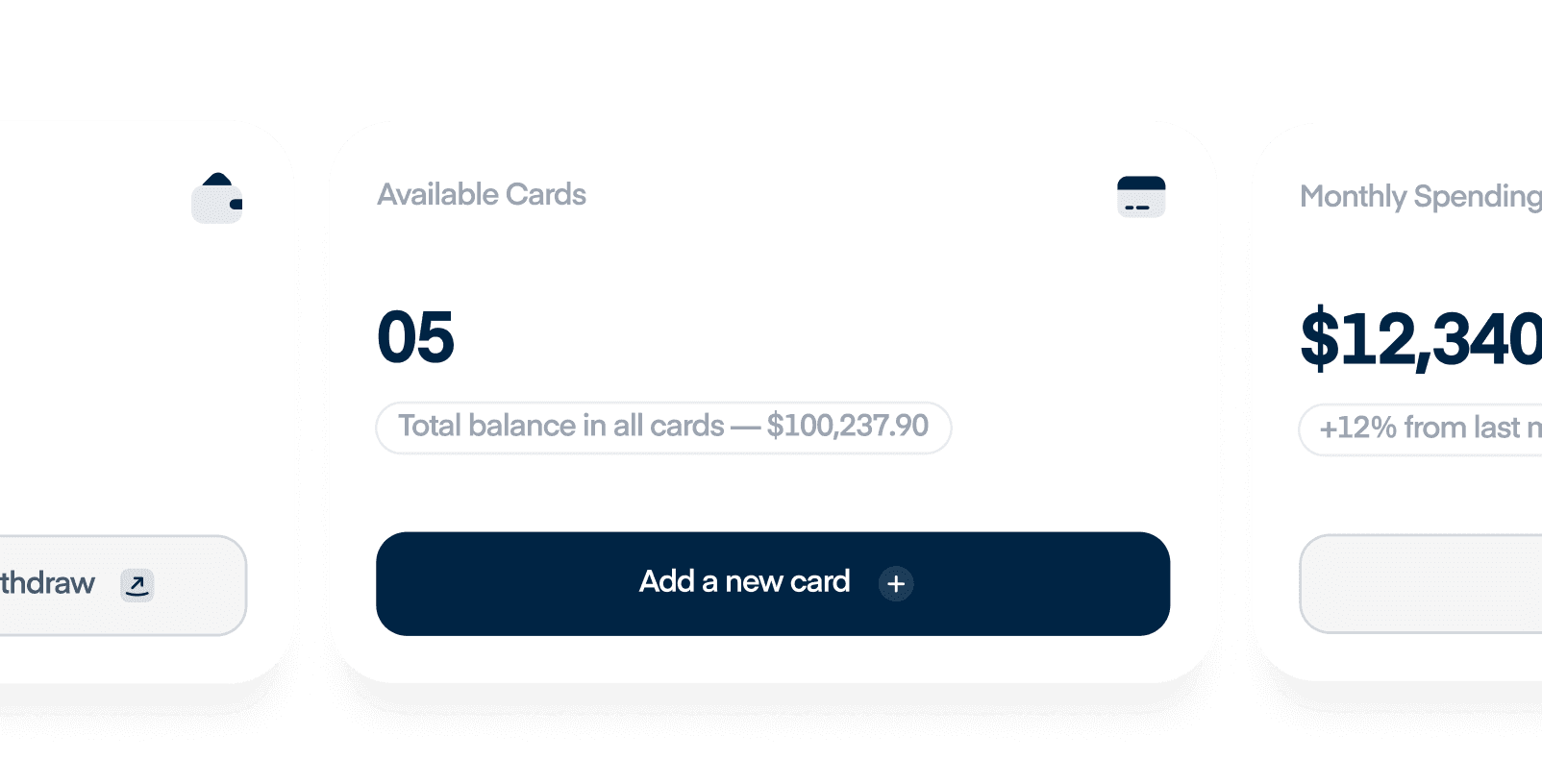
Manage Multiple Cards
Manage Multiple cards across teams and projects
Crypto funding


Fund in NGN, GHS, or Stablecoins

Team Cards
Assign cards to teams instantly
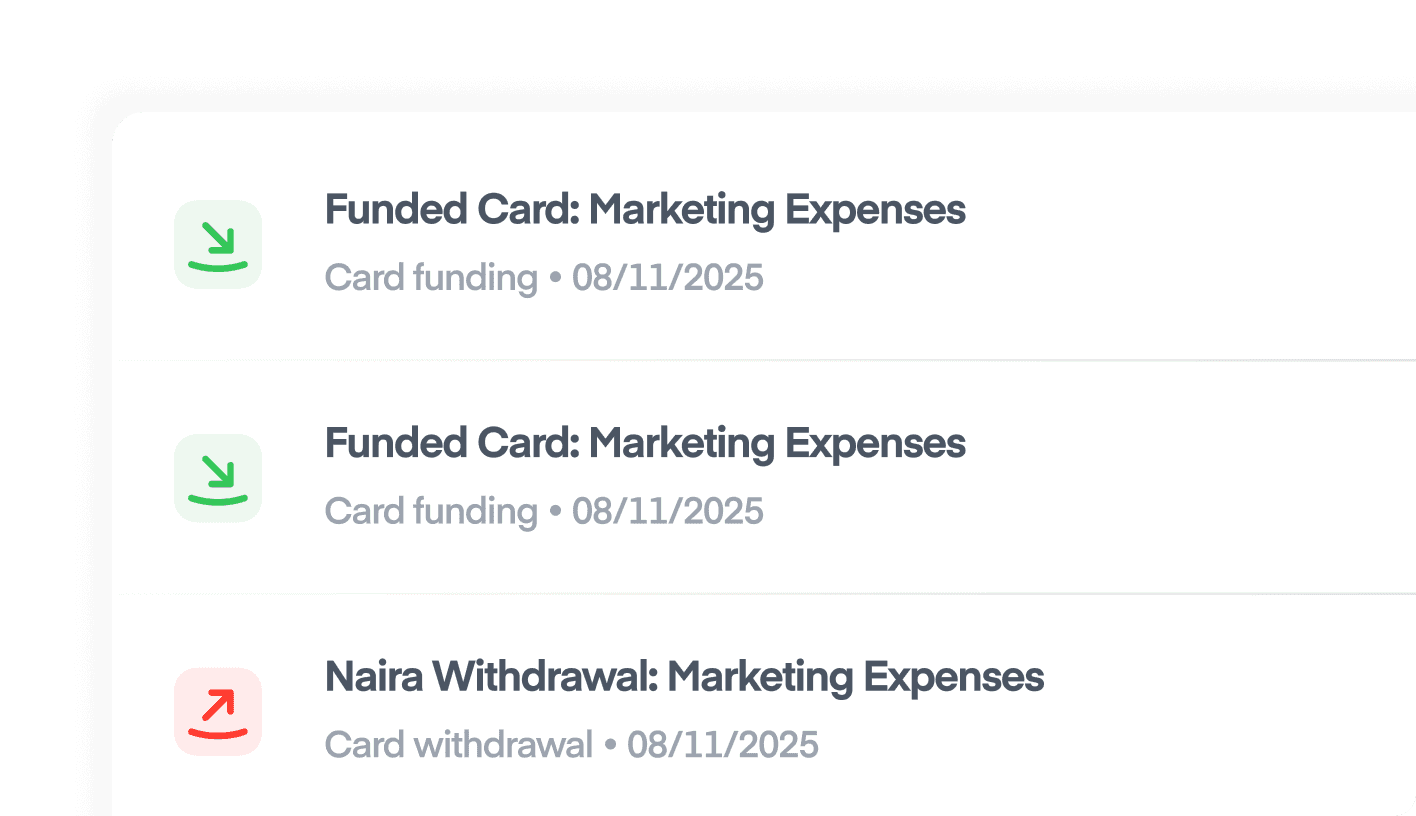
Expense Tracking
Track every expense in real time
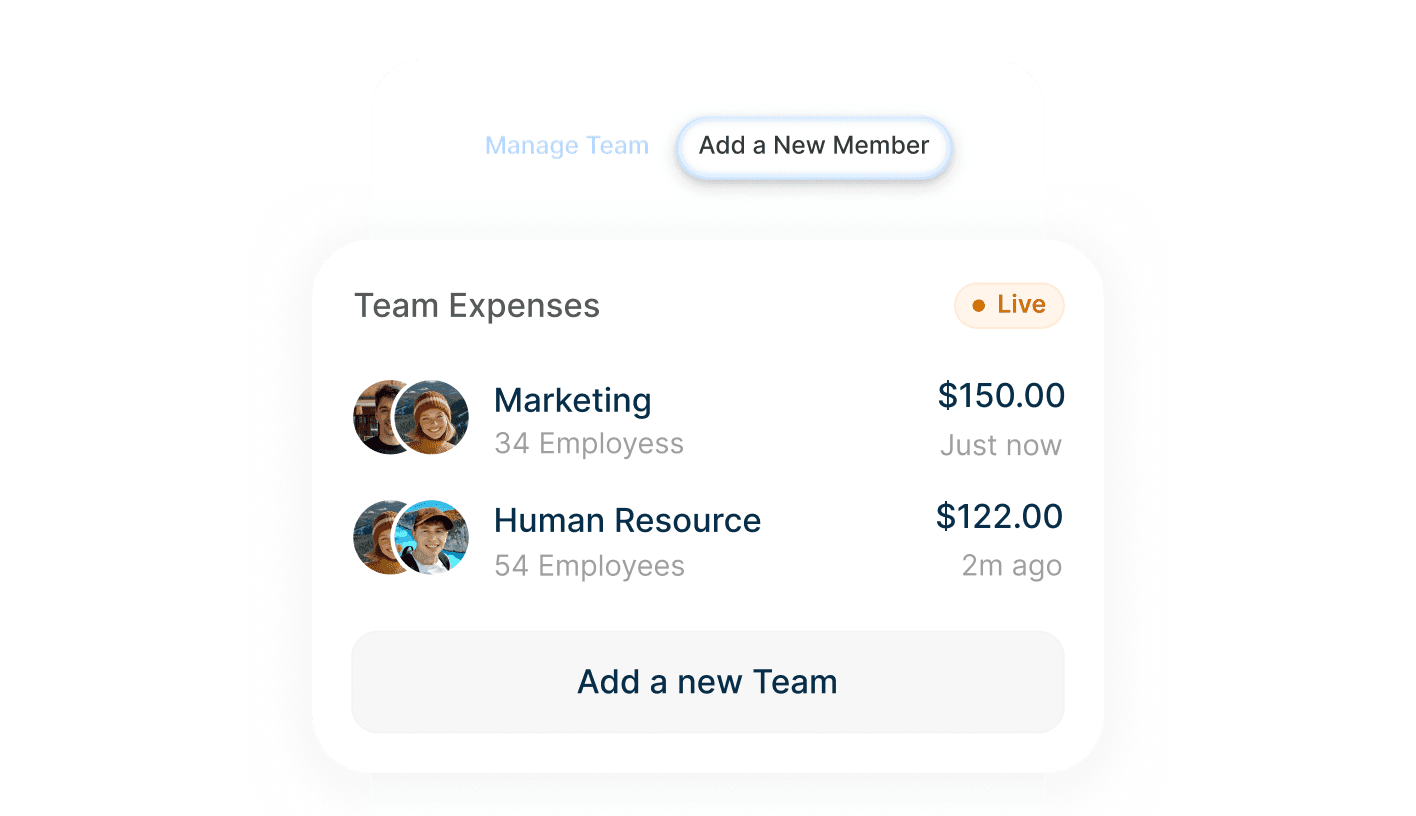
Team management
Full team management and spend oversight


Advertising