
How to Get $500,000+ in Startup Credits Without a VC: A Guide for Nigerian Founders
TL;DR: Google, AWS, and Microsoft all run startup credit programs worth $100,000 to $350,000 each, and none of the entry tiers require an accelerator or investor. Add in credits from Anthropic, Cloudflare, and smaller SaaS-specific programs, and a founder with no funding at all can realistically claim well over $500,000 across cloud, AI, and software tools. The catch is real too: credits expire, billing auto-starts the moment they run out, and most founders never apply because they assume they need a VC behind them first. They don't. Here's what's actually available, and how to apply to each.
4 Minutes
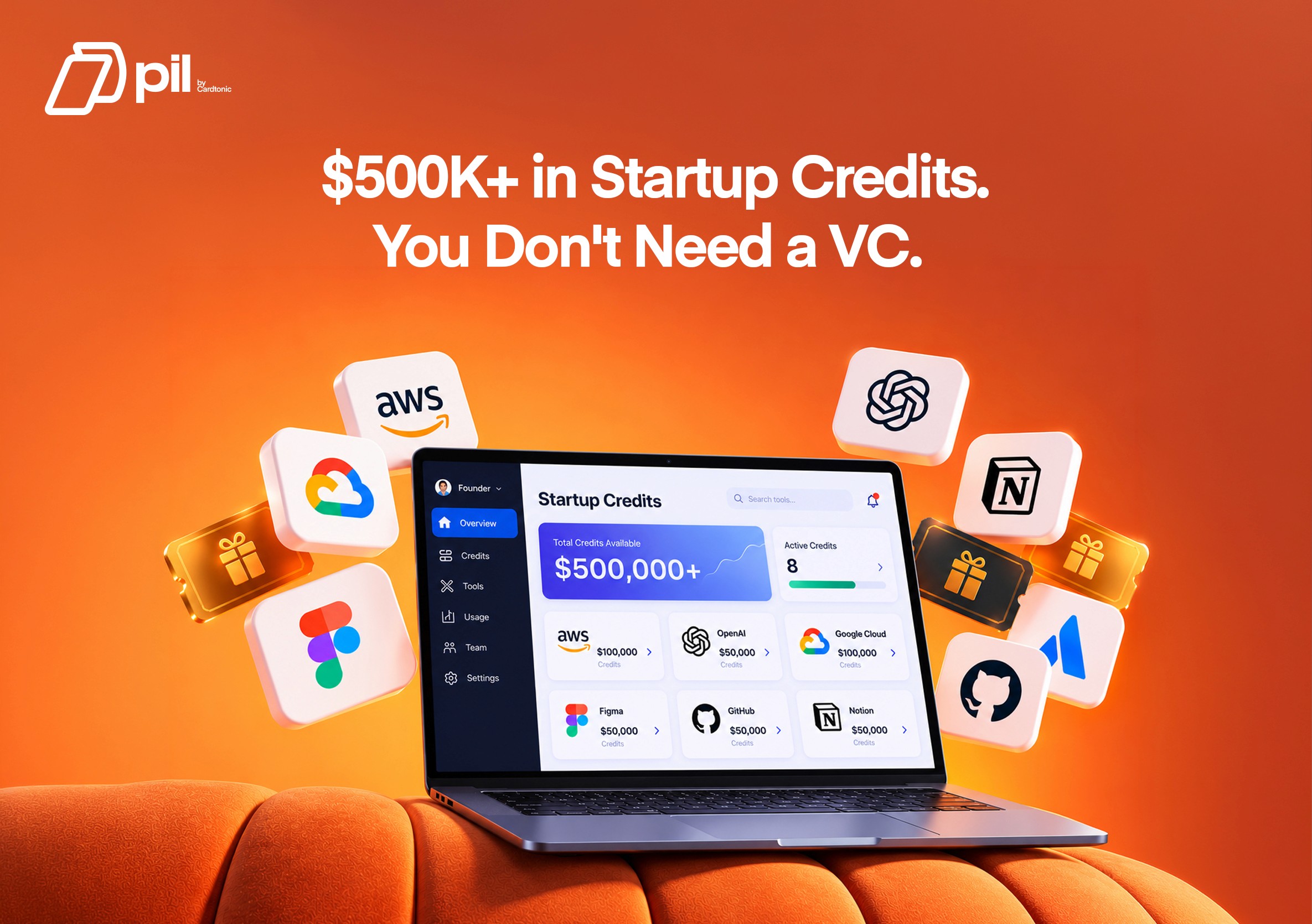
Most founders assume startup credit programs are for funded companies with a partner accelerator vouching for them. That's true for the largest tiers, but not for the entry tiers, and the entry tiers alone can be worth tens of thousands of dollars. Nobody tells you this upfront because these programs don't advertise themselves well; you mostly hear about them from another founder who already claimed theirs.
How much can a startup actually get in free cloud credits?
A self-funded founder with no accelerator and no VC can realistically claim $25,000 to $30,000 just from stacking any of these AWS's Founders tier, Microsoft's baseline Azure credits, and Google's starter tier:
Google Cloud for Startups offers up to $350,000 for AI-first startups over two years, with a lower starter tier that doesn't require investor backing at all. Apply directly through Google Cloud's startup program page.
AWS Activate splits into two tiers. The Founders tier gives up to $5,000 to any self-funded startup with a working website, no accelerator needed. The Portfolio tier, which needs an accelerator or VC's referral code, goes up to $100,000. Apply through AWS's Activate credits page.
Microsoft for Startups Founders Hub is genuinely open to anyone, including a solo founder with just an idea. It starts at a small entry credit and unlocks up to $150,000 in Azure credits as you verify your business, with an investor referral pushing the ceiling higher. It also bundles GitHub Enterprise seats, Microsoft 365, and OpenAI API access. Apply through the Founders Hub.
What other credits can a startup claim?
Beyond the three major clouds, several other programs such as Anthropic, Cloudflare for startups, DigitalOcean Hatch, and more. None of these require the scale of Google, AWS, or Microsoft's programs, which is exactly why they're worth grabbing.
We curated the full list with eligibility and application steps for each in a Startup Savings Vault, alongside every one of the 24+ tool categories, real prices, and the cheaper local swap for each.
The Catch With Startup Credits
The risk comes after the credits run out. Cloud billing doesn't pause when a credit balance hits zero, it switches straight to charging your card at full price, and most founders don't notice until the invoice lands. This is sometimes called the credit cliff, and it's the single most common way a "free" credit program ends up costing a founder money instead of saving it.
The fix is to set a spend cap on the account the moment you activate any credit program, so you're capped at what you can actually afford if you forget to migrate off before the credits expire.
FAQ
Can I apply to Google, AWS, and Microsoft's programs at the same time?
Yes. These are separate companies running separate programs, and there's no rule against claiming credits from more than one cloud provider simultaneously. Many founders run infrastructure across two providers specifically to make full use of both credit pools before either expires.How long do startup credits usually last?
It varies by program, but most cloud credits expire within 12 to 24 months of activation. Check the specific terms on each program's page, since using credits past their expiry date isn't possible even if you haven't spent the full amount.Is applying for these credits free?
Yes, none of the programs listed here charge an application fee or take equity in exchange for credits. Some require a payment method on file so billing can continue automatically once credits run out, which is exactly the mechanism that causes the credit cliff.What happens if my application gets rejected?
Most programs allow you to reapply later once your startup meets more of the eligibility criteria (a live website, a registered company, a funding round). A rejection usually isn't permanent, it typically means "not yet."Do I need a VC or accelerator to get startup credits?
No, not for the entry tiers of the major programs. This is the part most founders get wrong. Google's starter tier, AWS's Founders package, and Microsoft's base Azure credits all accept direct applications from bootstrapped, pre-seed founders. What requires an accelerator or VC referral is the larger tier inside each program, not access to the program itself. If you're self-funded, you still qualify for something real, just not the six-figure ceiling.

Author
Ayodeji Falaye
More Stories


Because payments shouldn’t hold your business back

Intuitive Navigation
Intuitive navigation: access anything in seconds
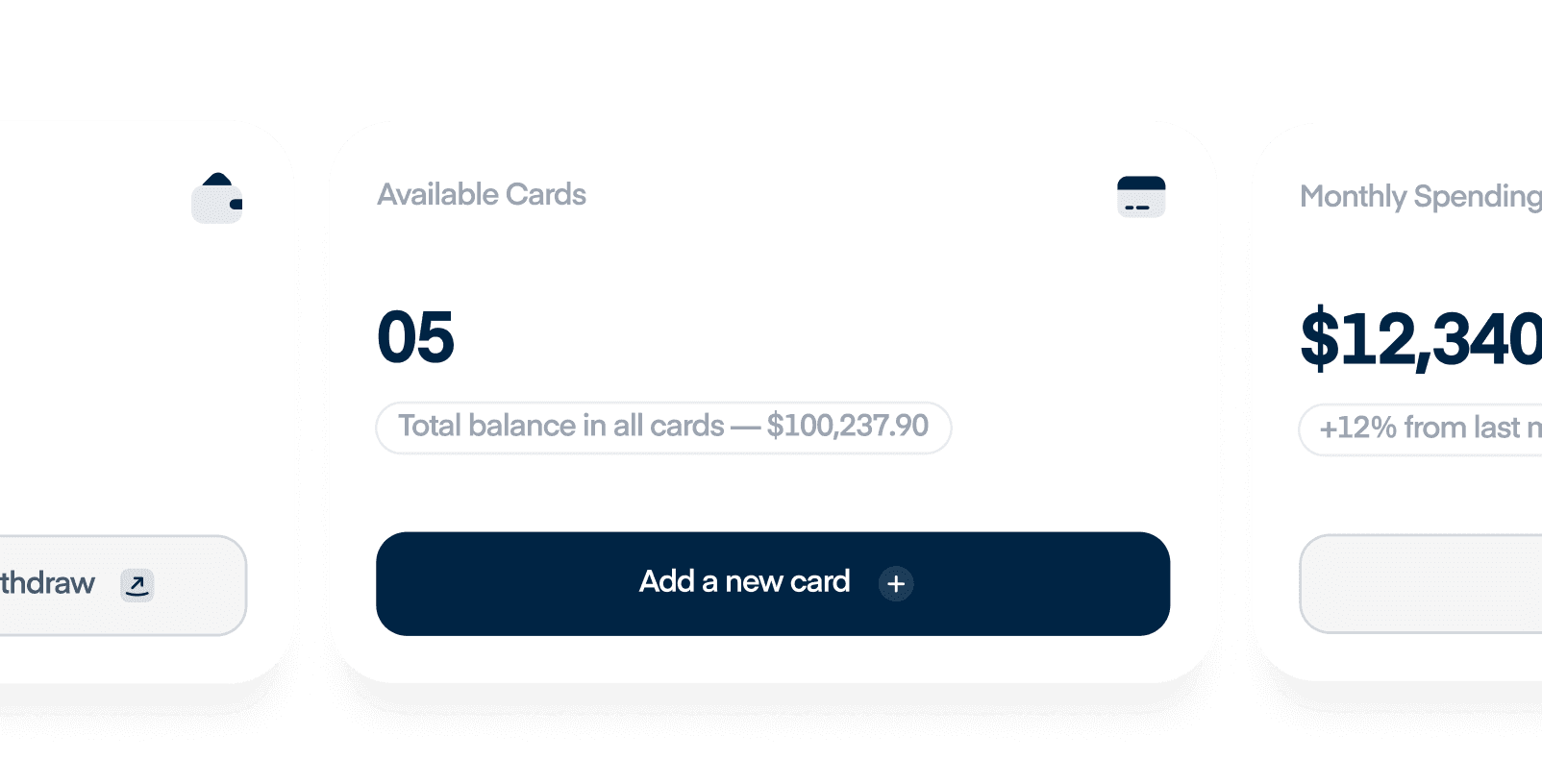
Manage Multiple Cards
Manage Multiple cards across teams and projects
Crypto funding


Fund in NGN, GHS, or Stablecoins

Team Cards
Assign cards to teams instantly
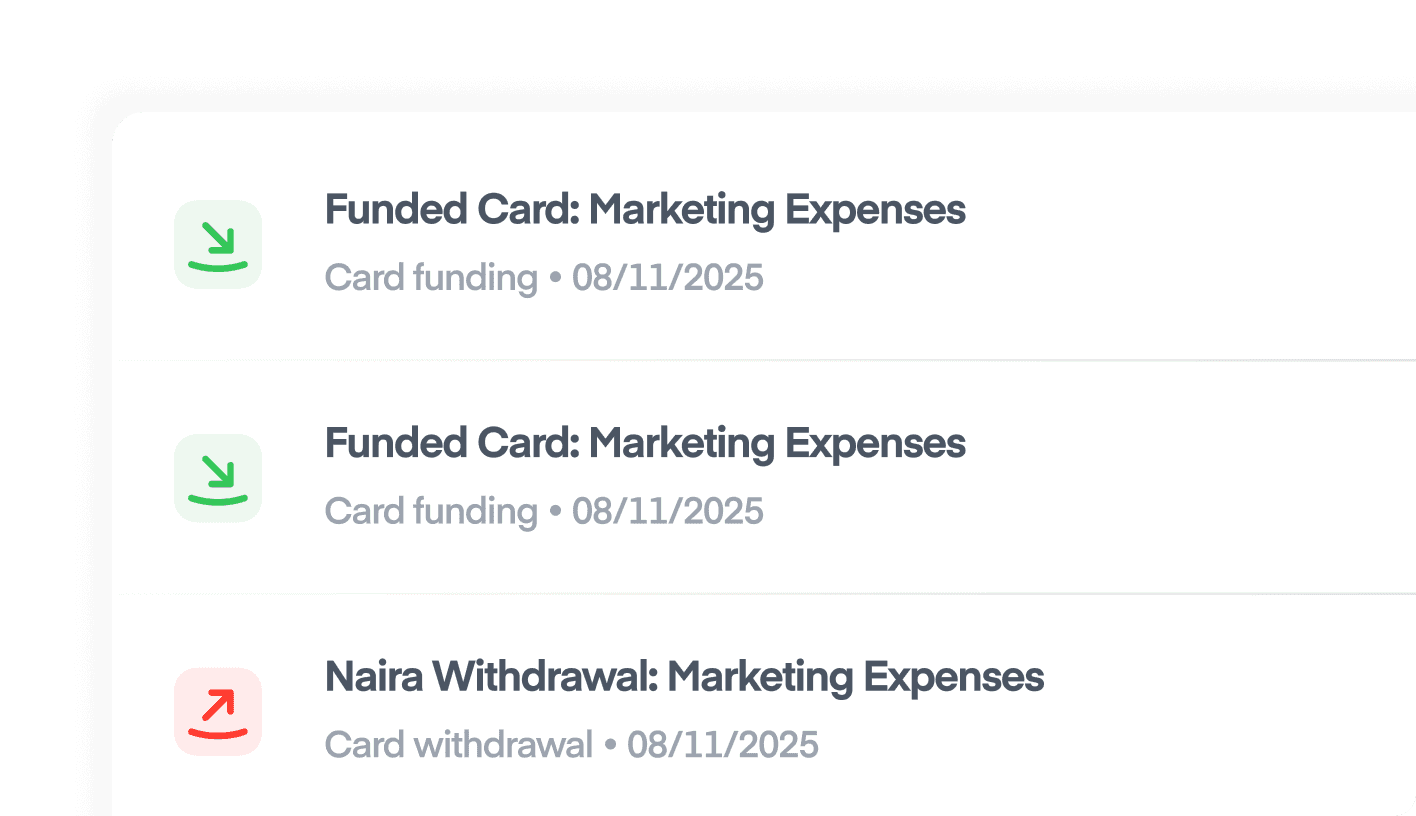
Expense Tracking
Track every expense in real time
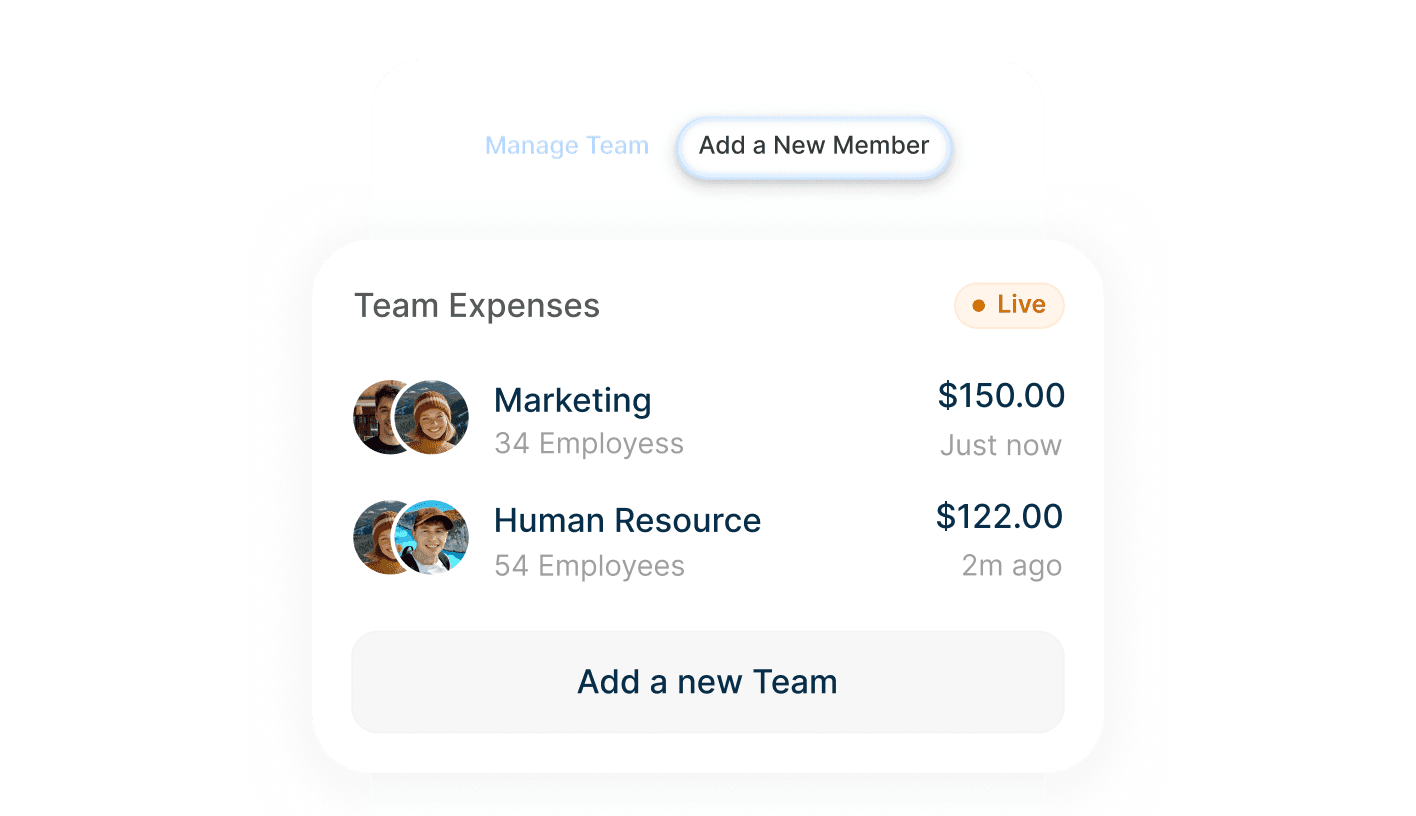
Team management
Full team management and spend oversight


Advertising