
How to Host an App for 100,000 Users on $5 a Month
TL;DR: 100,000 users doesn't have to mean a $100+ hosting bill. The right setup can keep frontend hosting around $5, and hosting platforms like Cloudflare Pages, Netlify, and Render are great options.
5 Minutes

Picture two founders, both just past the same milestone of 100,000 users. One of them is paying $100 to $300 a month in hosting, while the other is paying $5. They handle the same traffic, yet their bills look nothing alike. The difference has little to do with whose product is better; rather, it comes down to whether their hosting platform charges for bandwidth, and that starts with the platform most founders choose without ever comparing it against anything else. So before getting to the $5 option, it's worth understanding exactly why the $100 to $300 option costs what it does
Vercel: The platform most founders start on
If you're one of the many founders building with Next.js, Vercel is usually the first place you deploy. It's fast, closely integrated with the modern web stack, and the free Hobby tier makes it feel like a safe place to start.
There is one important catch, though: Vercel’s Hobby plan is intended for personal, non-commercial projects. For a real business, the Pro plan is the relevant starting point. It currently costs $20 a month, includes one deploying team seat and $20 in usage credit, and additional deploying seats cost another $20 each. Usage beyond the included allowances can also generate additional charges. That doesn't make Vercel a bad product. It's genuinely a good option for teams that value convenience, framework integration, and a polished deployment experience. The point is simply that once you're running a commercial product at scale, the cheapest option on paper may no longer be the cheapest option in practice.
Cloudflare Pages: The cheaper alternative
Cloudflare Pages handles the core job you're looking for here, deploying and serving your frontend, but its pricing works differently. Static asset requests on Pages are free and unlimited, while server-side functionality through Pages Functions is billed as Cloudflare Workers.
The Workers Paid plan starts at $5 a month and includes an initial usage allocation. It also does not charge separately for data transfer or bandwidth. That makes Cloudflare particularly appealing to startups that need to serve a lot of frontend traffic without seeing their bandwidth costs rise with every new user.
A lightweight application can serve substantial traffic while keeping its frontend hosting costs very low. So while 100,000 users won't necessarily cost exactly $5, Cloudflare's own pricing examples show that static asset traffic can remain free even at very large request volumes. The paid Workers plan starts at $5 for applications that need server-side logic.
The trade-off is that Cloudflare can require more setup and technical familiarity than Vercel, depending on what you're building. If your team already works comfortably with Vercel and the convenience saves meaningful engineering time, the higher cost may be worth it. If your application fits Cloudflare's model and keeping infrastructure costs low is a priority, the savings can make the extra setup worthwhile.
But Cloudflare isn't the only alternative. There are other hosting platforms that can give you similar functionality at a different price point, depending on how your application is built.
We've put some of the most useful Vercel alternatives together in a free Startup Savings Vault, including what they cost, what they are best suited for, and where the trade-offs are.
How the main hosting options compare
From the huge list, Netlify and Render are two other prominent alternatives you may consider, and here’s how they compare to Cloudflare:
Cloudflare Pages | Netlify | Render | |
Free tier | Yes, unlimited static asset requests | Yes | Yes, for web services and Postgres, with limitations |
Paid tier | Workers Paid plan from $5/mo, includes an initial usage allocation | Pro, $20/mo, unlimited members, credit-based usage | From $7/mo (0.5 CPU/512MB); Pro workspace $25/mo plus compute |
Bandwidth | Not charged separately, even on the paid plan | Included in credit-based usage, not billed as a separate line | Included in compute plan |
Best fit | Frontend-heavy traffic where bandwidth would otherwise be the main cost | Teams who want flat, member-based pricing instead of per-seat billing | Apps that need a backend and database alongside the frontend, not just static hosting |
How to deploy on Cloudflare Pages
For a static site or a suitable Next.js application, start on Cloudflare Pages; it's free at the start, and the free tier's unlimited bandwidth means you won't need to revisit this decision later. If your team already knows Vercel well enough that the switch would cost more in time than it saves in money, that's a fair reason to start there instead.
Connect your GitHub or GitLab repository. Your deployment can then run automatically whenever you push changes, instead of relying on manual uploads.
Only upgrade to a paid plan when you actually need commercial use, additional team features, server-side functions, or more capacity. Don't pay for headroom you don't need yet.
Keep an eye on usage as the application grows. The important number is what your users are doing and how much infrastructure that activity consumes, since that's what decides whether your bill stays near $5 or starts climbing.
When you need to pay, make sure you have a reliable card to make the payment with. A small recurring software charge is exactly the kind of payment that becomes annoying when a card fails at the wrong moment.
Other places to cut costs
Hosting is only one line item. The same approach applies to the other tools founders pay for every month, from databases and CRMs to email platforms, payroll software, and AI tools. Across 20-plus categories, there are often cheaper alternatives that do much the same job, but the actual savings depend on what you're using and how you're being charged.
That doesn't mean you should replace every global product with the cheapest alternative. Sometimes Vercel is worth paying for. Sometimes AWS is the right choice. And sometimes the tool your team already knows is worth more than the money you'd save by switching. What matters is knowing what you're paying for and whether you actually need it.
The Startup Savings Vault takes the same approach beyond hosting. It covers 24+ startup tool categories, with cheaper alternatives, startup credits, discounts, and practical details on what each option costs and when it makes sense.
FAQs
Is $5 really enough to host 100,000 users?
It can be, depending on your app, traffic, and infrastructure. The $5 figure is a starting point, not a guarantee.Is Cloudflare cheaper than Vercel?
For frontend-heavy applications, it can be. The difference comes largely from how each platform handles bandwidth and usage.Should I switch from Vercel to Cloudflare?
Not necessarily. If Vercel saves your team enough development time, the higher cost may be worth it. Compare the actual cost of switching before you move.What other startup tools can I replace to save money?
Hosting is just one category. The Startup Savings Vault covers 24+ categories with cheaper alternatives, credits, discounts, and pricing details.How do I pay for these tools without failed transactions?
Use PIL; it gives businesses virtual dollar cards that can be funded in Naira, Cedis, and Stablecoins, and used for global payments in USD.

Author
Ayodeji Falaye
More Stories


Because payments shouldn’t hold your business back

Intuitive Navigation
Intuitive navigation: access anything in seconds
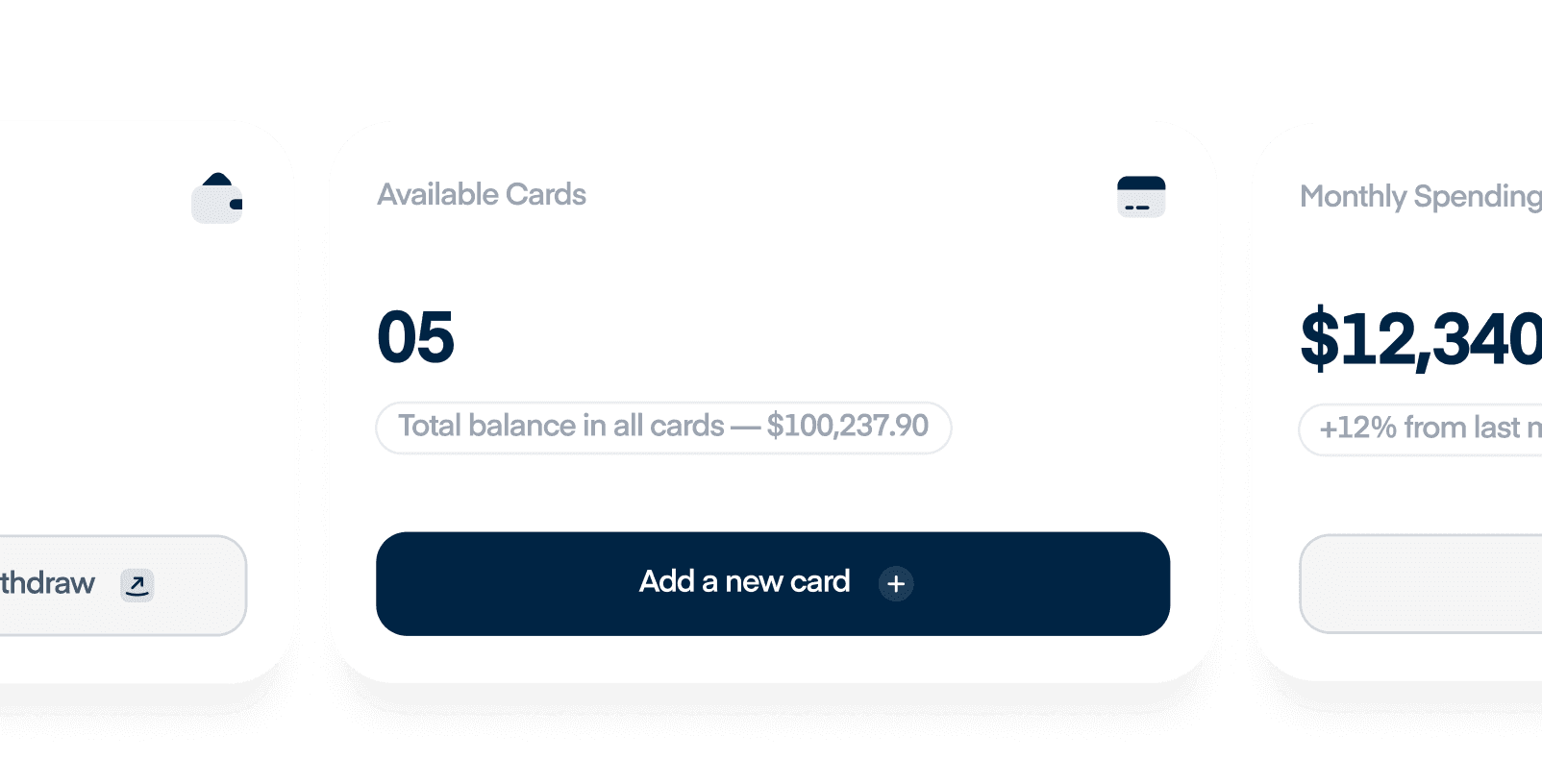
Manage Multiple Cards
Manage Multiple cards across teams and projects
Crypto funding


Fund in NGN, GHS, or Stablecoins

Team Cards
Assign cards to teams instantly
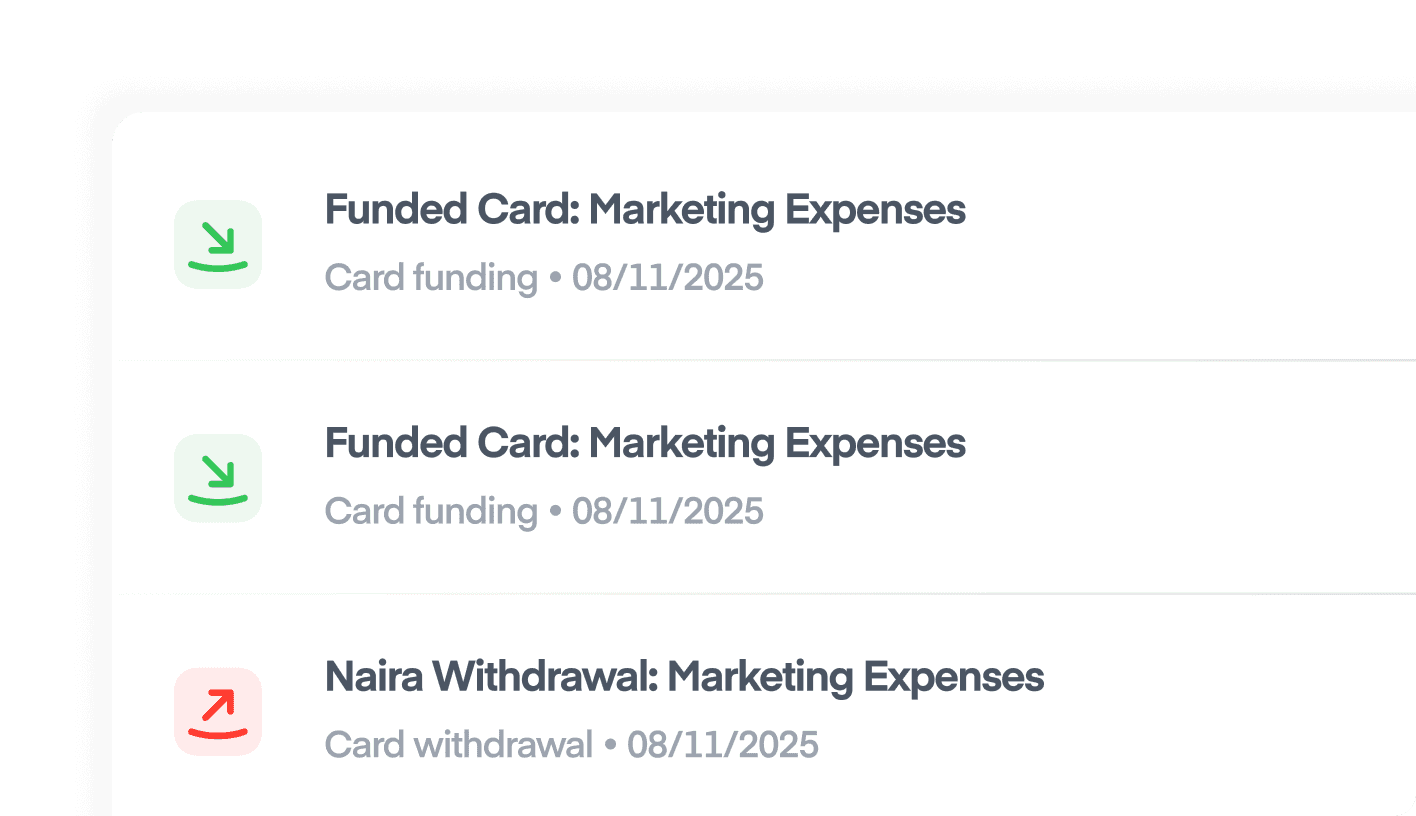
Expense Tracking
Track every expense in real time
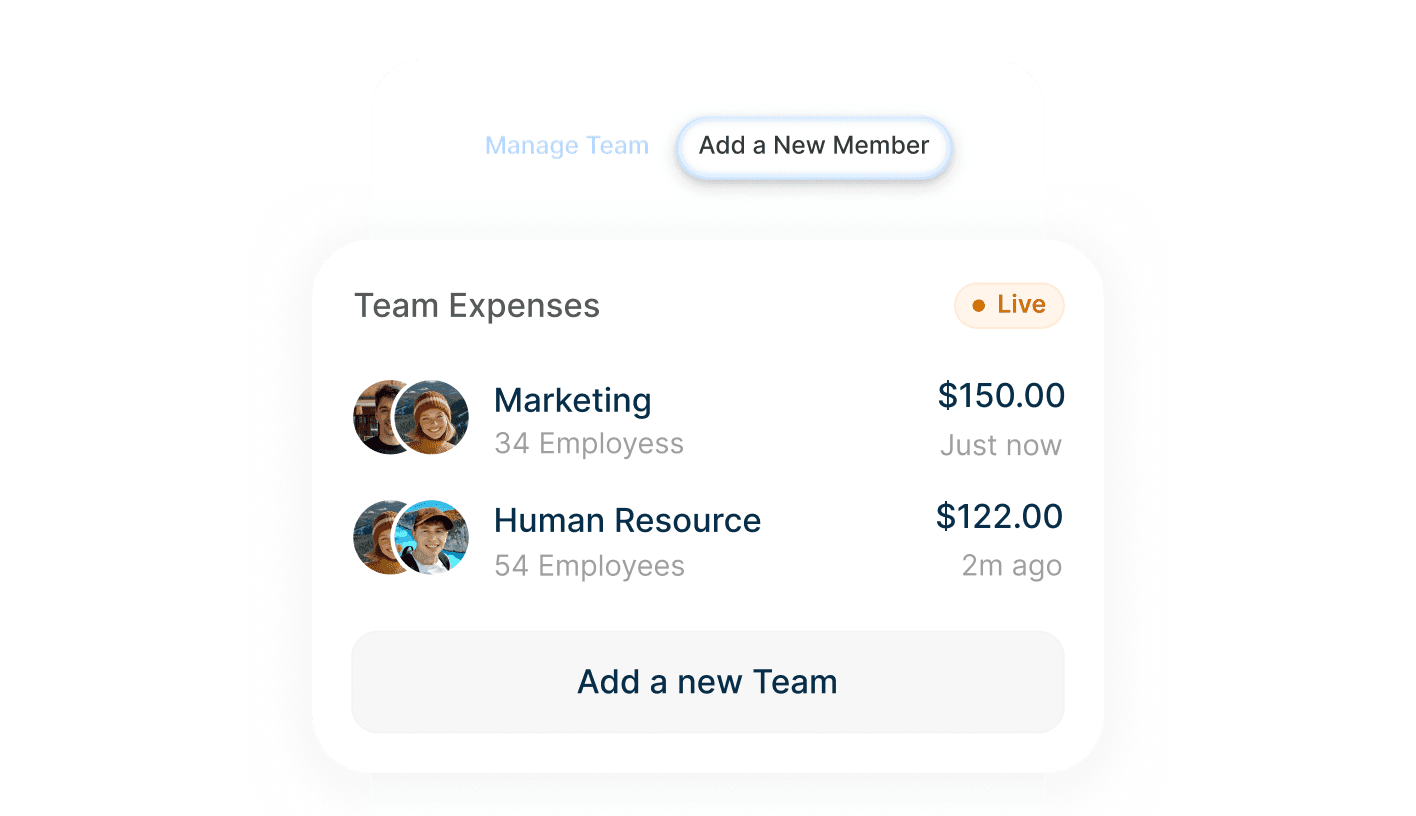
Team management
Full team management and spend oversight


Advertising