
Your Black Friday ad budget is ₦3 million. How do you make it count?
TL;DR: To budget for Black Friday ads in Nigeria, start with your sales target, profit margins and maximum affordable cost per order. Then divide your budget between proven campaigns, testing and a reserve for promising opportunities. Choose advertising channels based on your customers' buying habits, track cost per order and return on ad spend (ROAS), and confirm your payment method is ready before launch.
7 Minutes

Every year, businesses prepare promotions, creating ad campaigns and deciding how much money to put behind them. If you're a small business owner, it's tempting to think that spending more on advertising will give you a better shot at the sales rush.
But the problem is more sales don't always mean more profit. You could attract plenty of customers, sell a good chunk of your stock and still struggle to cover your costs. Or you could spend your entire advertising budget bringing people to a product that isn't priced to leave enough money behind.
The questions, then, are how much you can afford to spend to win a sale, which channels deserve your money, and how you'll know whether your campaign is working.
So, let’s look into these categories of figures, starting with the number that matters most.
How much should a small business spend on Black Friday ads?
There is no universal budget that guarantees results. Your budget should depend on your profit margins, sales target, previous advertising performance and how long you intend to run your campaign.
A business selling ₦150,000 accessories with a small margin cannot necessarily afford the same cost per sale as a business selling ₦2.5 million appliances.
Instead of copying another business's budget, work backwards from the sales you need and what you can afford to spend to get them.
Start with your sales target
Suppose your online store wants to generate ₦15 million in sales during its Black Friday promotion. If your average order value is ₦250,000, you need 60 orders to reach that target.
But generating those sales will cost you money. Consider your product costs, delivery, packaging, discounts, payment fees and other variable expenses.
Let's say each order leaves you with ₦75,000 after these expenses, but before advertising and fixed business costs. Across 60 orders, that's ₦4.5 million available to cover advertising, overheads and profit.
If you spend ₦1.5 million on ads to acquire those 60 orders, your advertising cost is ₦25,000 per order. You'll have ₦3 million left across all 60 orders to cover fixed overheads and contribute to profit.
This is why revenue isn't the same as profit. A campaign can generate sales and still leave your business with very little money.
Calculate your maximum affordable cost per order
Your sales target tells you how many orders you need. Your margins help you determine how much you can afford to spend acquiring each one.
Use this formula:
Maximum affordable ad cost per order = Amount left before advertising − Required contribution toward overheads and profit
For example, if each ₦250,000 order leaves you with ₦75,000 before advertising, and you want to retain at least ₦50,000 per order toward overheads and profit, you can spend up to ₦25,000 acquiring each order.
If your actual advertising cost per order is consistently higher than that, you may need to improve your conversion rate, adjust your offer or targeting, or reconsider your budget.
Remember, this is a ceiling, not a spending target. Spending less to acquire each order leaves more money in your business.
Before committing to a Black Friday budget, calculate how many orders you need, how much each order contributes before advertising, and how much you can afford to spend acquiring those orders. That way, you're planning for profitable sales, not just a big revenue figure.
How should a business divide a ₦3 million Black Friday ad budget?

Once you know what you can afford to spend, the next question is how to allocate your money.
One approach is the 70/20/10 framework. It's not an industry-standard formula, but it offers a useful starting point for businesses that want to balance proven campaigns with experimentation.
With a ₦3 million budget, you could put ₦2.1 million towards your strongest campaign, reserve ₦600,000 to test new creatives, offers or audiences, and keep ₦300,000 available for an opportunity that proves worth pursuing.
The logic is straightforward. You don't want to put everything behind an untested idea, but you also don't want to spend so much experimenting that you have little left to support a campaign that works.
If you've advertised successfully during previous sales periods, you may have enough evidence to put more money behind your proven campaigns. If you're launching a new product or advertising to a new audience, you'll probably need more room to test.
The point is to give every portion of your budget a purpose. Your reserve doesn't have to be spent, and your testing budget shouldn't become an excuse to keep funding ads that aren't producing useful results.
Your campaign duration matters, too. A ₦3 million budget spread across 14 days averages about ₦214,286 a day, but you don't have to spend that exact amount every day. Google Ads, for example, may spend up to twice your average daily budget on days when there are more promising opportunities to show your ads, while keeping spending within its monthly limit. So, you might spend less while testing and allocate more to a campaign that performs well as the sale approaches. Just remember that spending rules vary across advertising platforms.
Should you advertise on Meta, TikTok or Google?

When you're working with a limited budget, advertising on every available platform can feel like the safest option. You get your business in front of more people, right?
Not necessarily. Spreading your money across several channels can leave each campaign with too little budget to generate meaningful results. It's better to consider how people discover your products and what they need to see before deciding to buy.
For a product that looks good in a video or photograph, Meta Ads on Facebook and Instagram may be a sensible starting point. These platforms can help businesses showcase products, promote offers and reconnect with people who have already engaged with their content.
TikTok Ads may be worth testing if your product lends itself to short demonstrations, creator-style videos or entertaining product discovery. But don't assume that views and engagement will translate into purchases. The creative needs to attract people who are likely to buy, not simply people who enjoy watching the video.
Google Ads works differently. It can be useful when customers are already searching for the product or service you offer. Someone actively searching for a particular product may be closer to making a purchase than someone who has just encountered it in their feed. Whether that translates into better results depends on the search terms, competition, landing page and offer.
Your previous campaign results should guide the decision wherever possible. If you know that Instagram brings paying customers to your store, that's more useful evidence than choosing a platform because another business says it works. If you're starting from scratch, begin with the channel that best matches how your customers discover or search for your product, then test carefully.
You don't need to advertise everywhere. You need to focus your budget on the channels most likely to turn into profitable sales.
What should you advertise during Black Friday?
A large discount can make an offer look attractive, but it can also leave you with very little money after fulfilling each order.
Consider a product that sells for ₦250,000 and leaves ₦75,000 after variable costs. If you cut the price substantially without changing anything else, you reduce the amount available to cover advertising. You may need to sell many more units just to make up the difference.
That doesn't mean you shouldn't offer discounts, but the discount needs to make financial sense.
For some businesses, bundling related products can increase the value of an order without requiring a steep reduction in the price of each item. Others might offer a useful extra, a delivery incentive above a minimum order value, or a special package that customers can't get outside the promotional period.
Whatever you choose, calculate the costs first. A free delivery offer, for instance, isn't free to your business if you're paying the courier. And a bundle isn't necessarily more profitable if the additional products are expensive to source or fulfil.
It's also worth remembering that the Black Friday label doesn't guarantee that people will buy. In 2025, BusinessDay conducted a Black Friday poll from which 44.4% of respondents spent nothing on Black Friday deals, while 52% spent less than they did in 2024. The poll had just over 100 respondents, so its findings may not reflect the wider Nigerian market. Still, it suggests that customers won't necessarily spend just because it's Black Friday. Your offer still needs to be worth their money.
Customers need a reason to choose your product. Make the savings clear, explain what they're getting, and remove the small uncertainties that can stop a purchase, such as unclear delivery fees, missing product information or confusing promotional terms.
How to promote your Black Friday sale without relying entirely on ads
Your paid advertising budget doesn't have to do all the work. Think about the people who already know your business. Previous customers, email subscribers, WhatsApp contacts and social media followers may be easier to reach through channels you already use than through another paid campaign.
You could send previous customers a preview of your offers, publish product demonstrations in the weeks before the sale, or work with a complementary business to introduce your products to a relevant audience. You could also prepare a short buying guide or a product list that helps customers decide what they want before the promotional period begins.
These activities still take time and effort, and some may involve production or partnership costs. But they can reduce your dependence on paid reach. They can also make your advertising more effective. Someone who has already seen your product, understands the offer and knows how to order may be more prepared to buy when your ad appears.
Use paid campaigns to reach new prospects where it makes sense, while making good use of the customer relationships and channels you already have.
How to tell whether your Black Friday ads are working

Once the campaign is live, it's easy to get distracted by impressions, likes, and clicks. Those numbers can tell you whether people are seeing or interacting with your ads, but again, they don’t determine if sales are actually going up.
Two metrics can help you judge whether your ads are paying off: how much you spend to get each order (cost per order), and how much revenue your ads generate for every naira spent:
Cost per order tells you how much advertising spend it takes to generate an order. Divide your total ad spend by the number of orders attributed to those ads. If you spend ₦200,000 and generate 10 attributed orders, your cost per order is ₦20,000.
Return on ad spend (ROAS) measures the revenue attributed to advertising for every naira spent on it. If you spend ₦200,000 and generate ₦1 million in attributed revenue, your ROAS is 5x. But a 5x ROAS doesn't automatically mean the campaign is profitable. That ₦1 million in revenue still has to cover product costs, fulfilment, discounts, payment fees and other expenses. A business with thin margins can generate impressive revenue from ads and still have little money left over.
Compare your actual cost per order with the maximum amount you calculated before launch. If orders are coming in below that limit and you have enough stock and fulfilment capacity, you may have a reason to increase spending gradually.
If the cost is consistently too high, don't automatically pour in more money. Look at the offer, creative, audience and checkout experience. You may need to improve the campaign, or you may discover that the product economics don't support the advertising spend you had in mind.
And when you make changes, give yourself a way to understand their effect. Changing the budget, creative, audience and offer all at once makes it difficult to identify what helped or hurt performance.
Your Black Friday ad launch checklist
Before your ads go live, run through these checks to make sure your budget, offer and business are ready:
Set your budget and sales target. Know how much you can afford to spend and how many orders you need to make the campaign worthwhile.
Check your profit margins. Account for product costs, delivery, discounts and other expenses before deciding what you can spend to acquire a customer.
Choose where to advertise. Focus on the channels most likely to reach your target customers and generate profitable sales.
Prepare your offer and checkout. Make sure your offer is compelling, your product pages work on mobile, and customers can complete their purchases without unnecessary friction.
Confirm payment readiness. Check that your advertising account accepts your payment method, your available balance and transaction limits can cover your planned spend, and you understand any applicable fees.
Decide what success looks like. Track cost per order and return on ad spend (ROAS), and know when you'll increase, adjust or pause a campaign.
Prepare to fulfil orders. Confirm that your stock, delivery arrangements and customer support can handle the demand you're trying to generate.
Don't let a payment problem interrupt your campaign
Imagine your Black Friday ads are generating orders at a cost your business can afford, only for your advertising account's payment method to fail. Resolving the issue could distract you just as customers are ready to buy.
So, before you launch, check which payment methods your ad platform supports, confirm your balance and transaction limits can cover your planned spend, and account for any applicable fees or taxes. Also, make sure you understand the account's billing currency and how to resolve payment issues if they arise.
For Nigerian and Ghanaian businesses paying for ads on international platforms, payment options and restrictions vary by platform, account setup and provider, so no card type is guaranteed to work everywhere. If you're paying for eligible business expenses on international platforms, PIL offers dollar cards and wallets that may fit into your payment workflow.
Frequently Asked Questions
How much should a small business spend on Black Friday ads in Nigeria?
Your Black Friday ad budget should depend on your profit margins, sales target and how much you can afford to spend acquiring customers. Start with a total budget, calculate your affordable cost per order, and allocate your spending across campaigns based on their potential to generate profitable sales.
How should I divide a ₦3 million Black Friday ad budget?
One possible approach is the 70/20/10 framework: allocate ₦2.1 million to campaigns that have performed well, ₦600,000 to testing new creatives or audiences, and ₦300,000 as a reserve for promising opportunities. Adjust these proportions based on your previous results, business goals and how much testing your campaign requires.
When should I start running Black Friday ads?
Start planning several weeks before Black Friday so you have time to prepare your offer, create ad content, check your payment methods and test your landing pages. Launching early can also give you time to test different creatives and audiences before increasing spend closer to the sale.
How do I know if my Black Friday ads are profitable?
Track your cost per order and return on ad spend (ROAS). Cost per order tells you how much you're spending to acquire each purchase, while ROAS measures the revenue generated for every naira spent on advertising. Consider your product costs, delivery expenses and other business costs before deciding whether your campaign is profitable.
Can Google Ads spend more than my daily budget?
Yes. Google Ads may spend up to twice your average daily budget on certain days when it expects more opportunities to show your ads. For most campaigns, its monthly spending limit is based on 30.4 times your average daily budget. Other advertising platforms may use different spending rules.
How can Nigerian businesses pay for Black Friday ads on international platforms?
Available payment methods depend on the advertising platform, account setup and payment provider. Before launching, confirm that your chosen method is supported, check your balance and transaction limits, and account for any applicable fees. PIL offers dollar cards and wallets for eligible business expenses; check the current product terms and the platform's requirements before using them.

Author
Ayodeji Falaye
More Stories


Because payments shouldn’t hold your business back

Intuitive Navigation
Intuitive navigation: access anything in seconds
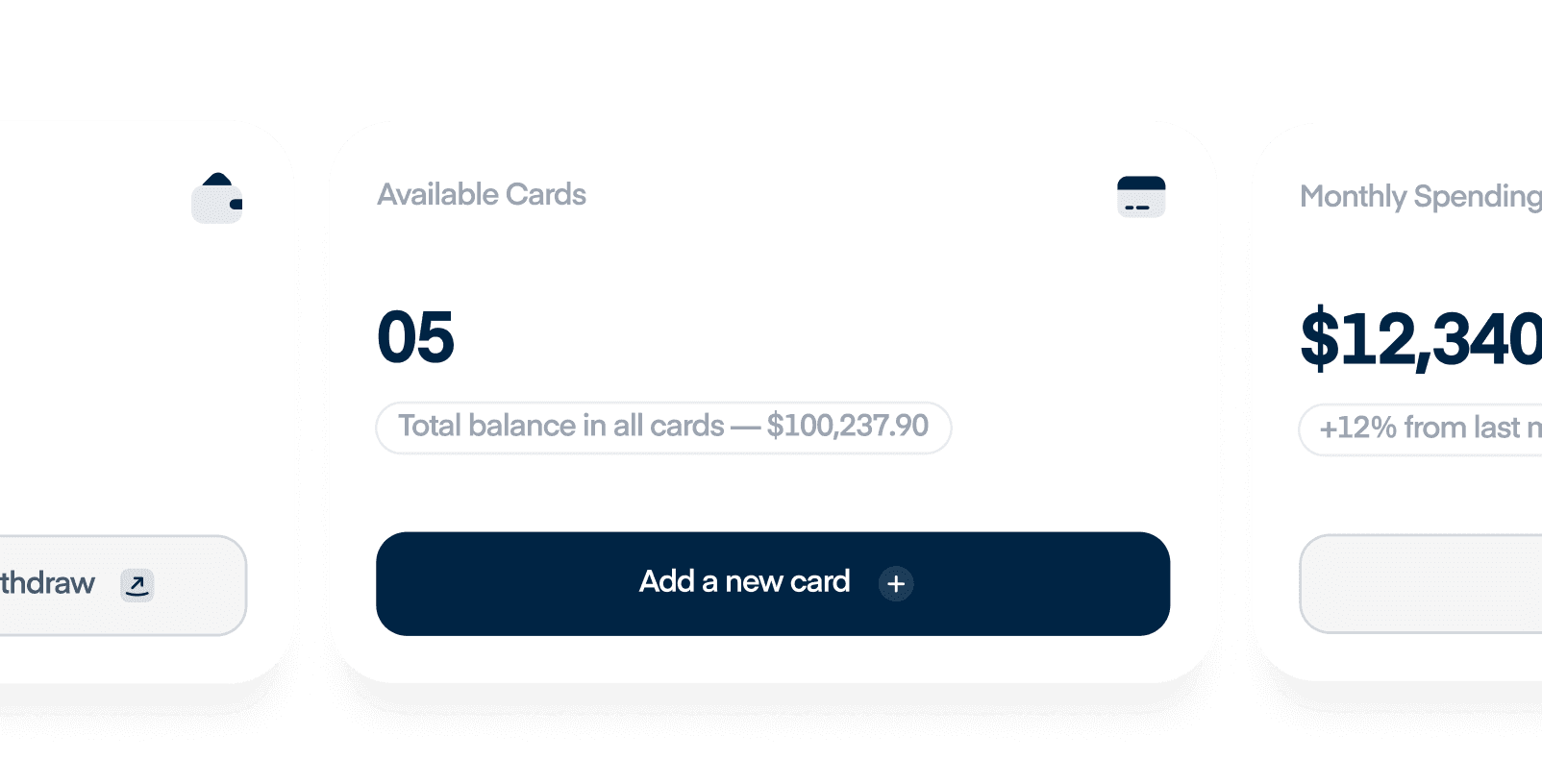
Manage Multiple Cards
Manage Multiple cards across teams and projects
Crypto funding


Fund in NGN, GHS, or Stablecoins

Team Cards
Assign cards to teams instantly
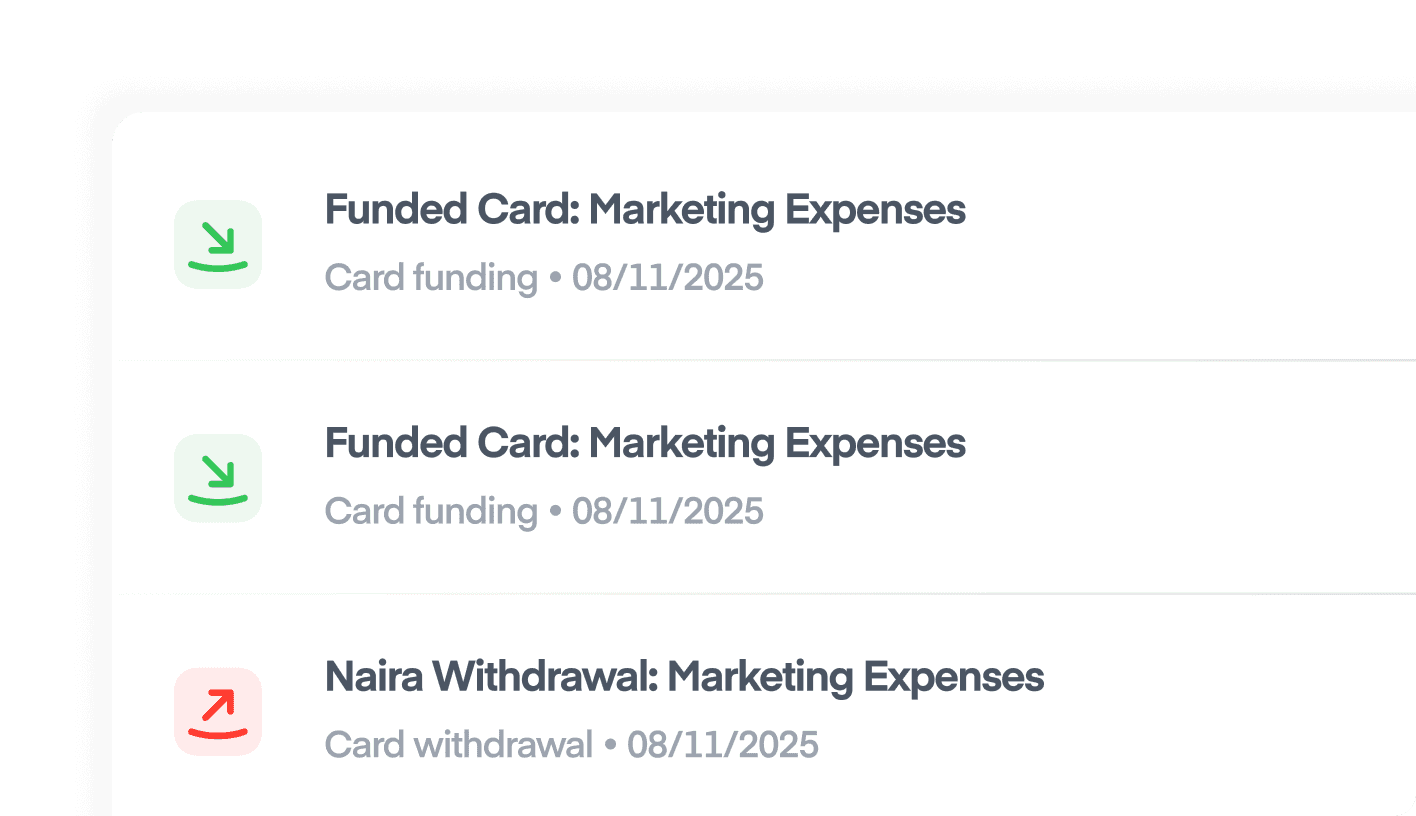
Expense Tracking
Track every expense in real time
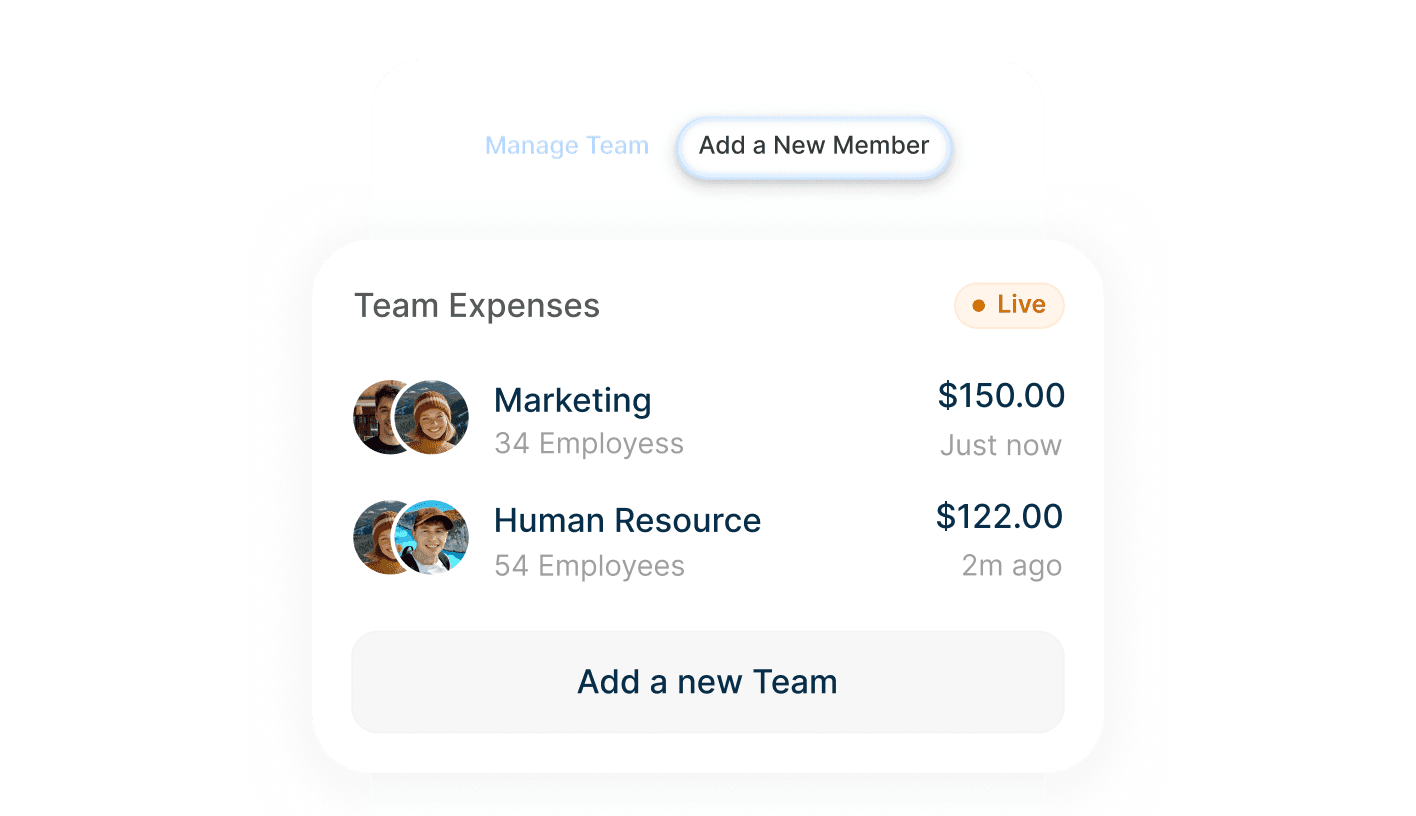
Team management
Full team management and spend oversight


Advertising