
How African Marketing Agencies Earn 2% or More Cashback on Client Ad Spend
TL;DR: Marketing agencies can earn cashback on client ad spend by paying Google, Meta and TikTok campaigns with a PIL virtual dollar card. PIL pays cashback of 1% to 4% on monthly card spend, depending on volume, so an agency that spends ₦10 million a month on ads and earns 2% would receive about ₦200,000 back. Cards are free to create, and each client's budget can sit on its own card with its own limit.
5 Minutes

Marketing agencies handle a great deal of other people's money. Between Google Ads, Meta campaigns and TikTok promotions, an agency can process millions of naira in ad payments every month, and the payment itself usually returns nothing to the agency that makes it. We call that dead money, and for many agencies it is the largest payment flow they manage.
Most agencies put their energy into spending that money well for clients, which is the right priority. It is also worth asking whether the way you pay for campaigns could return something to your agency each time, without changing a single campaign.
How do marketing agencies earn cashback on client ad spend?

Agencies earn cashback on client ad spend by paying ad platforms with a virtual dollar card that returns a percentage of eligible spend. PwC projects that digital advertising will account for 84% of Nigeria's total ad spend by 2029, compared with a global benchmark of 80%. For an agency, that means a growing share of client budgets will pass through dollar-billed platforms such as Google, Meta and TikTok, and every one of those payments needs a card behind it. So, as more of every client’s budget now goes to these digital platforms, the card you use to pay for them has become a vital decision to make towards getting results or returns.
With PIL, for instance, up to 2% is earned on monthly card spend and paid at the end of the month, and the agency can use it to subscribe to tools, fund ads or pay for anything else online.
The campaigns run exactly as they did before, and clients see the same results. The only change is the payment method behind the campaign, which now gives some of the spend back to the agency instead of letting it disappear.
How much cashback can an agency earn on ad spend?
It depends on how much your cards spend in a month. PIL pays 0.5% to 2% cashback, and the rate goes up as your monthly spend does. Cashback is capped at $500 per customer per month.
So, assuming your agency manages five clients, each with a $2,000 monthly ad budget. That’s $10,000 in card spend, which lands in the 1.5% tier, so you’d earn $150 that month.
It grows as your client list does. Here’s what each spend level would return:
Monthly card spend | Cashback rate | Cashback each month | Cashback over 12 months |
$1,000 | 0.5% | $5 | $60 |
$5,000 | 1% | $50 | $600 |
$10,000 | 1.5% | $150 | $1800 |
$20,000 | 2% | $400 | $4800 |
$25,000 | 2% | $500 (cap reached) | $6000 |
Spending more than $25,000 a month won’t earn more, because of the $500 cap.
These examples assume your spend stays the same every month and that all of it counts toward cashback. At $10,000 a month, $150 in cashback could cover a software subscription or a few team expenses, without you having to sell another service or raise your management fees.
How do you earn cashback on Google, Meta and TikTok ads?

The process starts with how your agency funds and manages its advertising payments. Rather than relying on a single bank card for every client and campaign, your agency can create dedicated virtual dollar cards for advertising expenses.
Here's how it works:
Create a virtual dollar card for each client
With PIL, agencies can create virtual dollar cards for their clients' advertising expenses at no card creation cost. Separate cards make it easier to distinguish one client's spending from another and keep advertising budgets organised.
Fund your cards
PIL allows businesses to fund their wallets using supported local currencies and stablecoins. This gives Nigerian and Ghanaian agencies more flexibility when preparing funds for international advertising payments.
Add your card to your advertising platforms
Use the virtual dollar card as the payment method for the relevant advertising account. This can include Google Ads, Meta Ads Manager and TikTok Ads, subject to each platform's payment requirements and card acceptance. Google, for example, publishes its payment settings and the options available by country
Run campaigns and monitor spending
Once the card is set up, your agency can pay for advertising campaigns as usual. You can also manage spending with card limits, transaction controls and other available card-management features.
Earn cashback on eligible spending
As eligible transactions are processed, your agency can earn up to 2% cashback, subject to PIL's applicable cashback terms.
The outcome is a payment process that not only settles advertising invoices but also generates returns for your agency.
How do you keep several clients' ad budgets separate?
You keep client budgets separate by giving each client, or each platform, its own card with its own limit. An agency that runs several accounts needs to know which client paid for what, how much each campaign has used and which account is approaching its limit. One card shared across clients makes all three questions harder to answer and complicates reconciliation when a client asks for a spending report.
With PIL, every card has its own transaction list and its own statement, which you can export as a PDF or CSV for any date range. Everyone assigned to a card gets a low-balance alert by email and in the dashboard, and a card can top itself up from your wallet when it falls below a threshold you set. Automatic top-up carries the same card funding fee as funding a card manually. Team members can request funds for a card while owners and admins approve them, so the person managing a campaign does not need access to every client's budget.
Who keeps the cashback, the agency or the client?
That’s down to your agreement with each client, so sort it out before you start spending. Some agencies keep it as part of their fees. Others pass it on to the client as a credit. Both are fine, as long as the client knows.
With PIL, cashback goes into your PIL wallet at the end of each month. It’s based on your total successful card spend for the month, not counting fees and charges. So the money reaches your agency first.
What should agencies check before paying ad platforms with a virtual card?
Check five things before moving ad payments to a virtual card:
Platform requirements. Each ad platform sets its own billing rules, and the options differ by country and account type, so test the card on each account before relying on it for live campaigns.
Cashback terms. Confirm which transactions qualify, how the spend threshold for each rate works, and how the cashback is credited.
Fees. Compare the cashback with the small FX fee charged when you fund a card.
Card count. Plan around the limit of 8 cards per business account.
Client agreements. Make sure your contracts cover how client ad budgets are paid and who benefits from any cashback.
So, is PIL the right fit for your agency?
PIL works best if you pay for ads in dollars every month, across several clients and platforms. It’s a good fit if you:
Run regular campaigns on Google, Meta or TikTok for more than one client.
Need separate, clean records of each client’s ad spend.
Want a card per client or platform, with spending limits you set.
Prefer to fund payments in naira, cedi or stablecoins.
If that sounds like your setup, PIL gives you free virtual dollar cards, a clear split between client budgets, control over what each card can spend, and cashback on your monthly card spend. You’re already handling these payments, so you may as well get something back from them.
Frequently asked questions
How do agencies earn cashback on client ad spend?
Agencies earn cashback by paying Google, Meta and TikTok ad accounts with a PIL virtual dollar card. PIL returns a percentage of monthly card spend, paid at the end of the month.
How much cashback does PIL pay?
PIL pays cashback from 0.5% to 2% on monthly card spend, depending on how much the business spends. The rate your agency earns depends on its spending level.
Can I use PIL to pay for Google, Meta and TikTok ads?
Yes, subject to each platform's payment requirements. PIL reports acceptance on 12,900+ platforms and any website that accepts dollar card payments, and agencies should test the card on each ad account first.
How many cards can an agency create?
A business account can create up to 8 cards, and cards are free to create. Agencies with more than eight clients can group smaller accounts or assign cards by platform.
Does PIL charge fees?
PIL charges no card creation or usage fees. A small FX fee applies when you fund a card from your wallet, and automatic top-up carries the standard card funding fee.
What can I do with the cashback?
You can use it to subscribe to tools, fund ads or pay for anything else online.

Author
Ayodeji Falaye
More Stories


Because payments shouldn’t hold your business back

Intuitive Navigation
Intuitive navigation: access anything in seconds
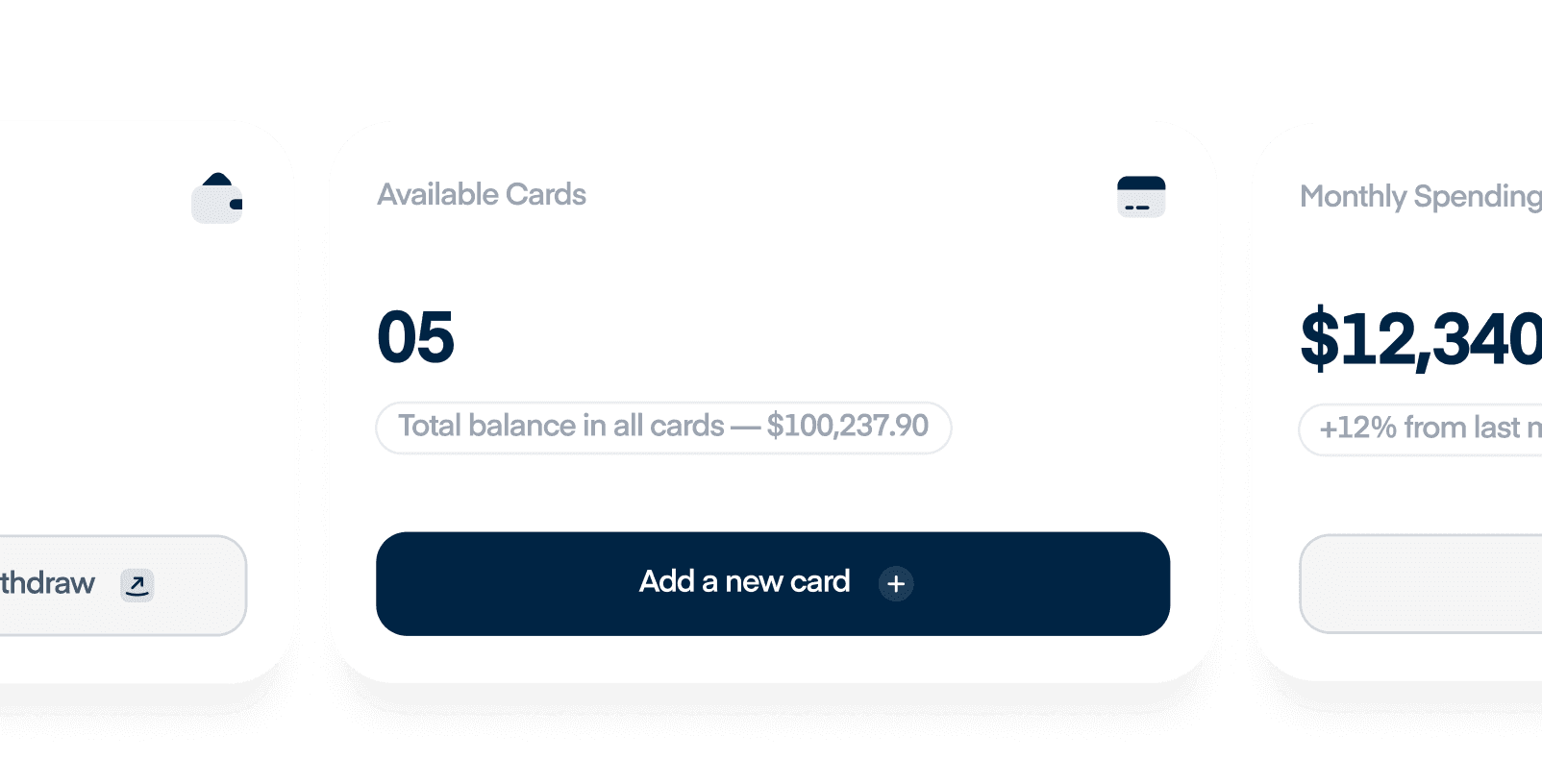
Manage Multiple Cards
Manage Multiple cards across teams and projects
Crypto funding


Fund in NGN, GHS, or Stablecoins

Team Cards
Assign cards to teams instantly
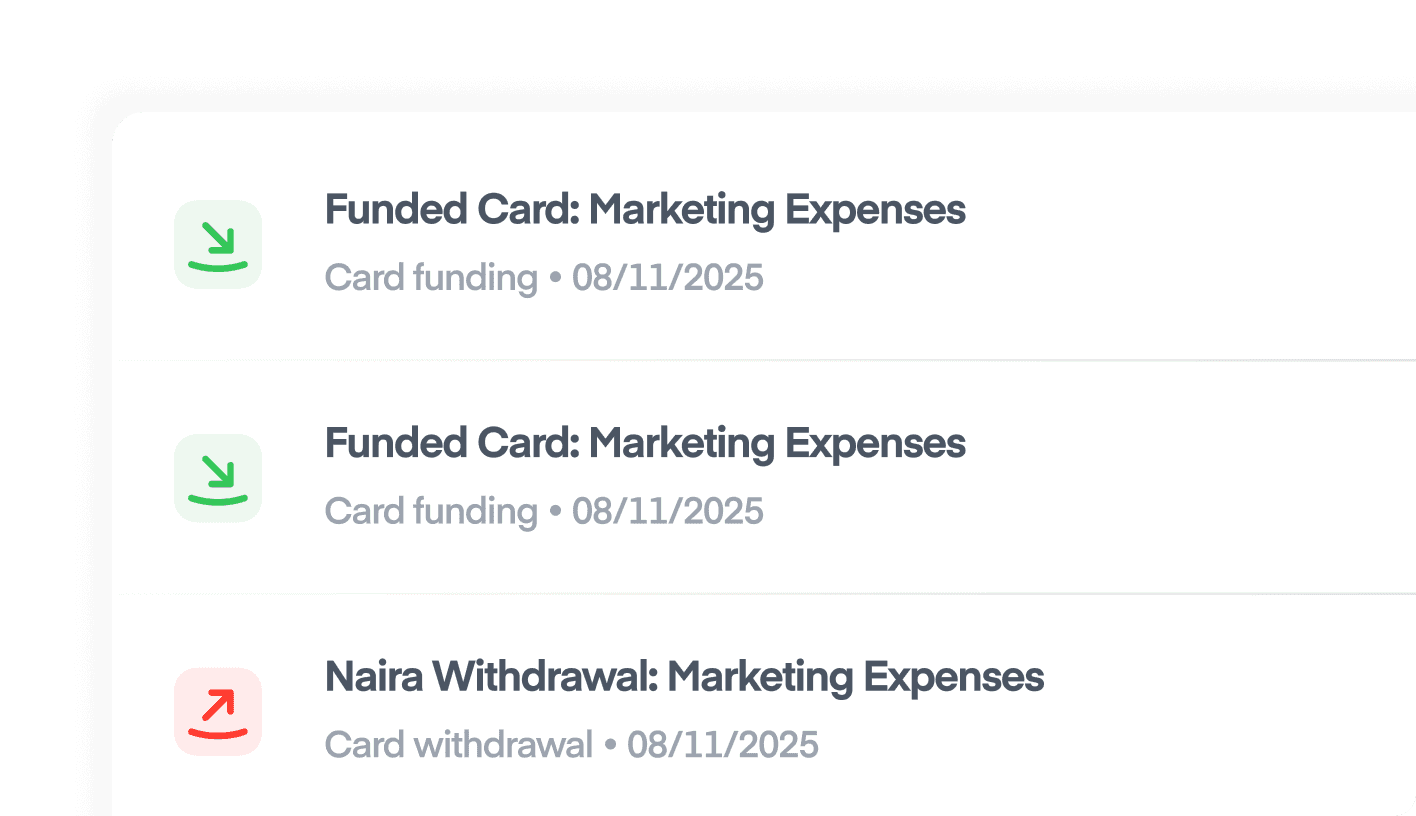
Expense Tracking
Track every expense in real time
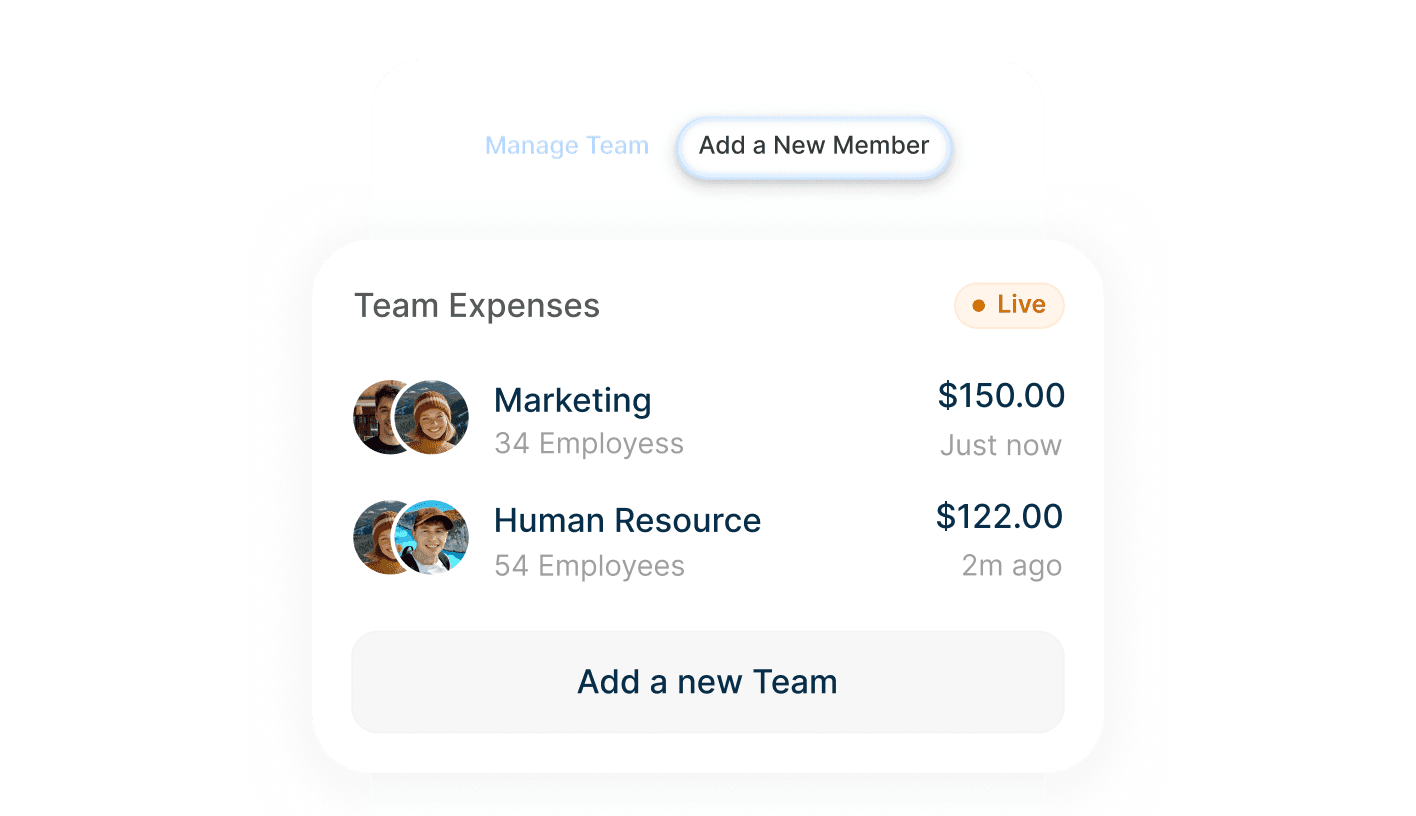
Team management
Full team management and spend oversight


Advertising