
Close Your 2026 Books Clean: The Year-End Finance Checklist for African Businesses
Closing your 2026 books means recording all transactions, reconciling bank and payment accounts, reviewing unpaid invoices and bills, counting inventory, checking payroll and tax records, and reviewing loans and foreign-currency balances. Once your financial statements are ready, organise supporting documents, clear any discrepancies and agree the final figures with your accountant. You can start in December, but the final close happens only after all year-end transactions are captured.
5 minutes

Your bank balance isn't your profit. And what customers owe you can't cover salaries tomorrow. Keep both in mind as you close the books for the year.
A business can finish December with healthy sales and still have unpaid invoices, supplier bills waiting for approval, subscriptions renewing across several cards and transactions that nobody has properly explained.
By January, those loose ends become a finance team's problem. Someone has to trace the payment, find the invoice, confirm the exchange rate or work out why the accounting records do not match the bank statement.
A clean year-end close helps you avoid that scramble. It gives you a reliable account of what your business earned, spent, owes and has available, so you can make decisions about 2027 using numbers you can trust.
If your business operates in Nigeria or elsewhere in Africa, the process may involve more than reconciling a single bank account. You may also need to check mobile money, POS settlements, payment gateways, multiple currencies and country-specific tax records.
This guide explains what to review before you close your 2026 books.
What should African businesses do before closing their 2026 books?
Do not leave the entire process until the first week of January. Use the weeks before year-end to gather records, identify gaps and complete the work that can be done before 31 December.
Reconcile every bank account and payment channel
Start with the money that moved through your business. Compare the transactions in your accounting records with the statements from each bank and payment provider. The balances should agree, or every difference should have a clear explanation.
For many African businesses, that means looking beyond the main operating account. Include:
Business current, savings and foreign-currency accounts.
POS collections and settlement accounts.
Payment gateways and online payment processors.
Mobile money wallets and merchant accounts.
Petty cash and cash collections, where applicable.
Business cards and other payment accounts used by employees.
Check for missing deposits, duplicate entries, failed or reversed payments, transaction fees and transfers that have not yet settled. A payment processor may show a successful customer payment before the funds reach your bank. Record the settlement timing clearly rather than treating the difference as unexplained income.
If you operate in more than one currency, reconcile each currency account separately. Do not combine naira, cedi, or dollar balances before you have confirmed the underlying amounts.
Review customer invoices and supplier bills
Your sales report may show revenue that has not reached your account yet. At the same time, your business may have received goods or services that it has not paid for.
Review accounts receivable, which is the money customers owe your business. List unpaid invoices, check their due dates and follow up on overdue balances. Flag disputed invoices and debts that may not be recoverable so your accountant can advise on the appropriate treatment.
Then review accounts payable, or the money your business owes suppliers and service providers. Check that bills for goods and services received during 2026 have been recorded, even if payment will happen in January.
Prepare two clear lists: what you expect customers to pay, and what your business needs to pay. This gives you a more realistic view of cash commitments going into the new year.
Count inventory and check business assets
If you sell physical products or hold materials for production, compare your inventory records with what is actually on hand. A stock count can reveal damaged or expired items, missing stock, unrecorded sales, returns and other differences.
Record stock held at your premises and any stock held by branches, distributors or third-party warehouses. Document discrepancies and ask your accountant how they should be reflected in the books.
Review your fixed assets too. Check equipment, vehicles, computers, furniture and machinery purchased or disposed of during the year. Update the asset register and keep the invoices or disposal records. Your accountant can confirm the appropriate depreciation and accounting treatment.
Review business expenses and recurring payments
Go through your expenses and check that each transaction has been assigned to the right category and supported by a receipt, invoice or other record.
Pay particular attention to recurring payments. Software, cloud services, advertising platforms, logistics providers and other vendors may charge the business every month. A subscription that seemed small in February can become a meaningful annual expense by December.

Look for:
Subscriptions that are no longer used or have duplicate seats.
Payments charged to the wrong department or project.
Personal expenses recorded as business expenses.
Business expenses paid by employees without supporting receipts.
Duplicate vendor payments or unexplained charges.
Bank fees, card charges and foreign-exchange costs that have not been recorded.
If employees use company cards or pay for business needs themselves, confirm who made each purchase, what it was for and who approved it. A transaction record without a clear business purpose is difficult to review later.
This is also a useful time to compare actual spending with the budget. Identify departments or expense categories that went over budget, and find out whether the increase came from higher activity, rising prices, poor controls or costs the business can avoid next year.
Check payroll and statutory obligations
Compare payroll records with the amounts actually paid during the year. Check salaries, allowances, bonuses, contractor payments and outstanding employee-related obligations. Confirm that deductions and contributions have been recorded and remitted where required.
Review the tax and statutory obligations that apply to your business. Depending on the country, business structure, industry and registration status, these may include corporate income tax, VAT or its local equivalent, withholding tax, payroll taxes, pension contributions and other statutory payments.
Do not assume that the same rules or deadlines apply across Nigeria, Ghana, Kenya and other African markets. Keep the supporting returns, payment confirmations and correspondence for each relevant authority, and ask a qualified local tax professional to confirm the requirements that apply to your business.
The aim at this stage is to make sure your books, payroll records, invoices and tax documents are consistent. Do not estimate missing figures simply to make the records look complete. Identify the gap and obtain the correct supporting information.
Review loans, foreign-currency transactions and other liabilities
List the loans, credit facilities and other obligations your business still has. Compare the balances in your books with lender statements, check repayments made during the year and identify amounts due in the first few months of 2027.
For businesses that pay international suppliers or use global services, review foreign-currency transactions separately. Check the original invoice currency, the amount paid, the exchange rate used in your records and any bank or conversion fees.
Foreign-currency balances may need to be translated into your reporting currency using the exchange rate and accounting treatment required by the applicable standards. Ask your accountant to review any exchange gains or losses and differences between invoice amounts and final settlements.
What should you do after 31 December?
Some parts of the close can only be completed once the accounting period has ended and the final statements are available. After 31 December, work through the remaining checks before treating the books as final.
Record the final transactions and make year-end adjustments
Capture the last sales, receipts, supplier invoices, payroll entries and payments that belong to the 2026 accounting period. Check transactions around the year-end date carefully. A customer deposit received in December for work to be delivered in January, for example, may need different treatment from revenue already earned.
Depending on your accounting method and business activity, your accountant may need to review accrued expenses, prepaid costs, customer deposits, depreciation, inventory adjustments, interest and other year-end entries. These adjustments help ensure income and expenses are recorded in the appropriate period.
Do not make technical accounting adjustments simply by guessing. Give your accountant the relevant contracts, invoices, payment records and explanations so the entries can be reviewed properly.
Prepare and review your financial statements
Once the accounts have been reconciled and the necessary adjustments have been reviewed, prepare the financial statements for the year. Three reports are particularly useful.
Profit and loss statement: This shows revenue, direct costs, operating expenses and the resulting profit or loss over the period. Review it by month and compare the result with your budget and the previous year. Did revenue grow? Did expenses rise faster than sales? Which costs had the biggest effect on your margin?
Balance sheet: This shows what the business owns, what it owes and the equity remaining at a particular date. Review cash, receivables, inventory, equipment, supplier balances, loans and tax liabilities. Unusual or unexplained balances should be investigated before the books are signed off.
Cash flow statement: This shows how cash moved through operating, investing and financing activities. It helps explain why a business can report a profit and still struggle to pay salaries or suppliers. Review whether cash generated from operations was enough to support the business during the year.
The reports should tell a consistent story. If the profit and loss statement shows strong sales but receivables have grown sharply, for example, you need to understand how much of that revenue has actually been collected.
Organise your year-end records and close the period
Put the supporting documents in one secure, organised location. Your year-end finance folder should make it easy for your accountant, auditor or authorised reviewer to trace a figure back to its source.
Include:
Bank, card and payment-provider statements.
Sales invoices, receipts and customer payment records.
Supplier invoices and payment confirmations.
Payroll reports and records of statutory deductions.
Tax returns, payment evidence and relevant correspondence.
Loan statements and repayment schedules.
Inventory count sheets and valuation records, where applicable.
Fixed asset register and supporting purchase or disposal documents.
Foreign-currency transaction records and exchange-rate workings.
Final financial statements and account reconciliation reports.
Keep working documents separate from final approved records, back up digital files and restrict access to sensitive payroll and business information. Once the accountant has reviewed the figures and the necessary adjustments have been posted, agree the final balances and lock the accounting period in your software where that feature is available.
What should a year-end finance checklist include?
Use this checklist to track the work. Some tasks apply only to businesses that hold inventory, employ staff, borrow money or transact in foreign currencies.
Confirm the accounting year-end date and assign an owner to the close.
Record all income and expenses for the period.
Reconcile every bank, card and payment-provider account.
Reconcile POS, mobile money and payment gateway settlements.
Review unpaid customer invoices and disputed balances.
Record outstanding supplier bills and other obligations.
Count inventory and document stock differences, where applicable.
Update the fixed asset register.
Review subscriptions, employee spending and recurring expenses.
Reconcile payroll and statutory deductions.
Review tax records and outstanding obligations with a local adviser.
Reconcile loans and foreign-currency balances.
Review year-end adjustments with the accountant.
Prepare the profit and loss statement, balance sheet and cash flow statement.
Organise and back up supporting documents.
Approve the final figures and lock the accounting period.
Compare actual performance with the 2026 budget and prepare the 2027 plan.
What can go wrong when businesses close their books?
A year-end close can look complete and still leave important gaps. These are some of the mistakes that create problems later:
Reconciling only the main bank account. Payment gateways, POS providers, mobile money wallets and foreign-currency accounts can hold transactions that never appear in the main bank statement.
Treating revenue as cash collected. Unpaid invoices and pending settlements can make the business look more liquid than it is.
Leaving supplier bills out of the records. If the business has received the goods or services, the obligation may need to be reflected even if the invoice or payment arrives later.
Ignoring small recurring charges. Unused software seats, duplicate subscriptions and payment fees can quietly increase operating costs.
Mixing personal and business spending. This makes it harder to identify legitimate business expenses and explain transactions during a review.
Guessing missing figures. An unexplained gap should be investigated and documented, not filled with an estimate just to complete the checklist.
Treating the year-end close as the tax filing. The books need to be accurate before tax calculations and returns can be prepared reliably.
Does spend management make year-end closing easier?
Yes, because a lot of year-end work is really a search for context. Finance teams need to know who made a payment, which vendor received it, what the expense was for and whether it was approved.
When teams share card details, use personal cards for company purchases or send receipts through different channels, that information can be difficult to reconstruct months later.
A more organised spending process gives each team, project or vendor a clearer payment trail. Businesses can set spending limits, assign ownership, review transactions and keep supporting records together as expenses happen.
PIL helps African businesses manage international business spending with virtual USD cards, individual card limits and transaction visibility. Businesses can fund their PIL wallet using supported naira, cedi and stablecoin options, then manage payments to global vendors. Features such as merchant controls, low-balance alerts and automatic top-up can also help teams stay ahead of recurring payments.
The point is not to wait until December to find out where the money went. It is to make spending easier to track throughout the year, so closing the books does not become a reconstruction exercise.
Watch this demo to see how PIL helps.
Close 2026 with numbers you can trust
A clean year-end close is more than a task to get out of the way before January. It tells you whether the business made money, where cash went, what still needs to be paid and which parts of the operation need attention.
Start gathering the records now. Reconcile each account, investigate the gaps and work with your accountant to finalise the figures. Then use what the numbers tell you to set a more realistic budget and spending plan for 2027.
The goal is simple: start the new year knowing where the business stands, rather than spending the first few weeks trying to work it out.
Frequently asked questions
What is a year-end finance checklist?
A year-end finance checklist is a list of tasks a business completes to review and finalise its financial records for the accounting year. It usually covers bank reconciliation, customer invoices, supplier bills, inventory, payroll, taxes, loans, financial statements and supporting documents.
When should a business start closing its books?
A business can start preparing several weeks before its accounting year ends. For a calendar-year business, November and December are useful for gathering statements, reviewing expenses, following up on invoices and identifying missing records. The final close happens after the year ends and all relevant transactions and statements have been captured.
What documents are needed to close business books?
Common documents include bank and card statements, payment-provider reports, sales and supplier invoices, receipts, payroll records, tax returns, loan statements, inventory records, fixed asset schedules and reconciliation reports. The exact documents depend on the business's activities and local reporting requirements.
Is closing the books the same as filing taxes?
No. Closing the books means reviewing and finalising the business's accounting records. Tax filing means submitting the required tax information and returns to the relevant authority. Accurate year-end books make tax preparation easier, but the two processes are not the same.
What financial statements should a small business prepare at year-end?
A business should review its profit and loss statement, balance sheet and cash flow statement. These reports show profitability, financial position and cash movement. The reporting requirements may vary depending on the business structure and applicable accounting standards.
Can a business close its books without an accountant?
A business can organise transactions, reconcile accounts and prepare supporting records internally. However, an accountant can help review year-end adjustments, accounting treatment, financial statements and tax-related matters. Professional advice is particularly important when the business has inventory, loans, foreign-currency transactions or complex tax obligations.
How can a business make year-end accounting easier?
Keep records up to date throughout the year. Reconcile accounts regularly, record expenses when they happen, collect invoices and receipts, review outstanding payments and assign clear ownership to business spending. A consistent monthly close makes the year-end process much easier.

Author
Ayodeji Falaye
More Stories


Because payments shouldn’t hold your business back

Intuitive Navigation
Intuitive navigation: access anything in seconds
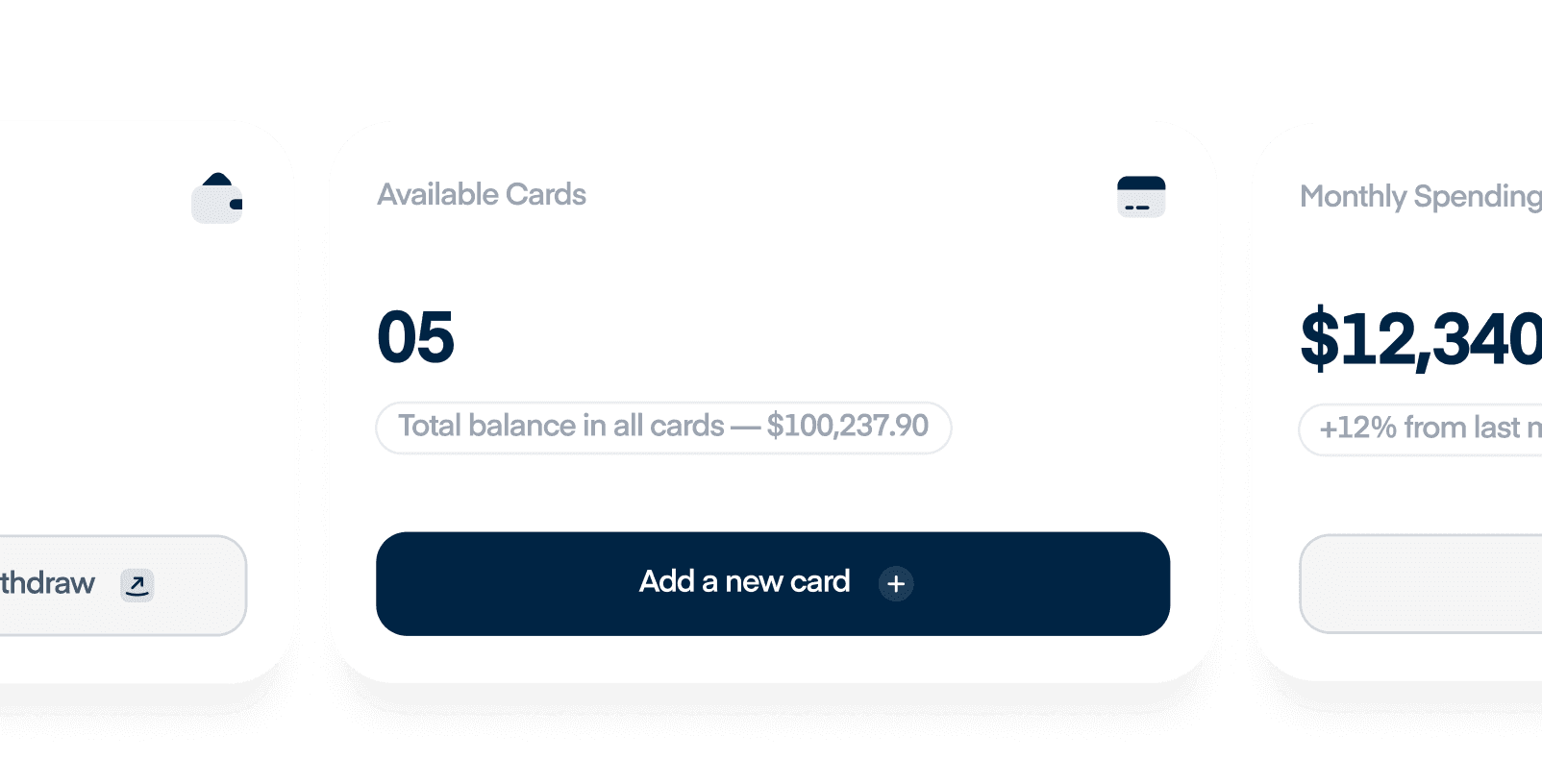
Manage Multiple Cards
Manage Multiple cards across teams and projects
Crypto funding


Fund in NGN, GHS, or Stablecoins

Team Cards
Assign cards to teams instantly
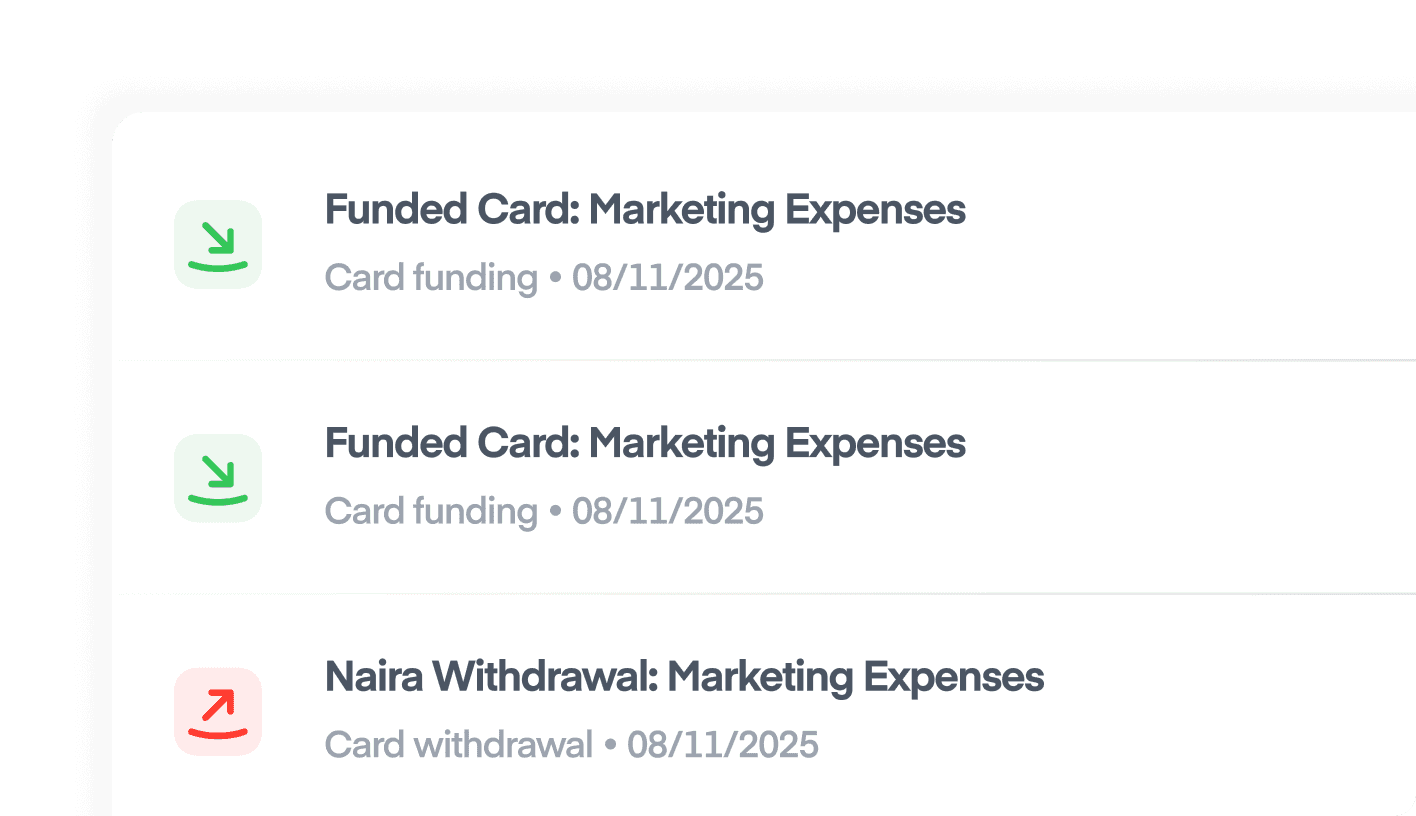
Expense Tracking
Track every expense in real time
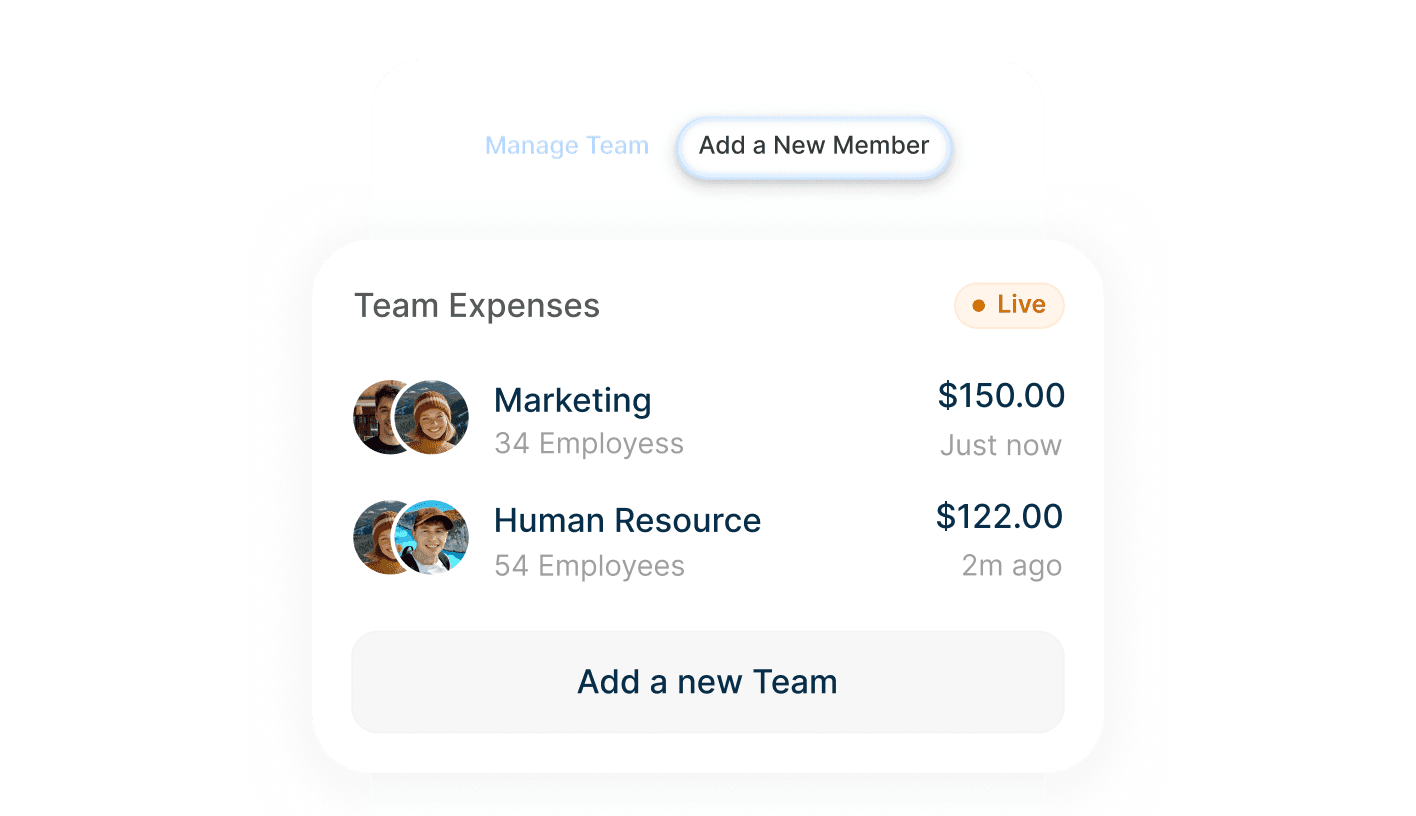
Team management
Full team management and spend oversight


Advertising