
6 Virtual Cards That Support Stablecoins in Africa
These Six cards let African businesses spend stablecoins directly, but only PIL was built as a spend management platform rather than a personal payment app. If a business needs multiple cards, per-card limits, and a team that can spend without one person holding every login, PIL is the only option on this list actually built for that. The article has the full breakdown.
5 Minutes

Stablecoins is rapidly gaining a strong foot as a stable currency in Africa. For instance, Nigeria recorded more than $22 billion in stablecoin transactions in a single year, a figure large enough that the IMF has started describing it as a genuine cross-border payment channel, not a crypto side hustle.
None of this happened because Nigerians love crypto for its own sake. It happened because the naira has been unreliable, bank cards cap international spend at $20 to $100 a month, and stablecoins turned out to be a more dependable way to hold and move dollars than the banking system offered. A business holding USDT or USDC has real, spendable dollars. The question is what card actually lets it spend them, especially once more than one person needs to.
What is a Stablecoin-Funded Card?
A stablecoin-funded card is a digital or physical Visa/Mastercard linked to a wallet powered by USD-pegged stablecoins like Tether (USDT), USD Coin (USDC), or Celo Dollar (cUSD).
In Africa, where local bank cards face strict monthly limits on foreign currency spending ($20–$100/month), these cards convert digital dollars instantly to complete global transactions, including Meta/Google ads, cloud infrastructure, SaaS subscriptions, and e-commerce.
There are virtual business cards that are built for African business, but not all support stablecoins. This list presents six crypto-friendly cards and their individual perks and use cases.
Quick Comparison: Best Stablecoin Cards in Africa
Platform | Core Focus | Supported Funding | Card Type | Target Audience |
PIL | Corporate Spend & Multi-Card Management | Stablecoins (USDT/USDC), NGN, GHS | Virtual Visa / Mastercard | Agencies, CFOs, Advertisers, Startups |
RedotPay | Personal Spending & Everyday Purchases | USDT, USDC, BTC, ETH | Virtual & Physical Visa | Retail / Individual Spenders |
Yellow Card | Treasury Infrastructure & Settlement | USDT, USDC, PYUSD | Enterprise / Virtual Corporate | Pan-African Businesses & Brokers |
Chipper Cash | Peer-to-Peer & Micro-Virtual Spending | USDC, Local Fiat Rails | Virtual Visa | Freelancers & Daily Consumers |
Kredete | Credit Score Building via Stablecoins | USDC (Stellar Network) | Virtual Visa Credit | Remote Workers & Diaspora Users |
MiniPay (Opera) | Micro-Payments & Sub-Cent Transfers | cUSD, USDT, USDC | Integrated Virtual Wallet | Mobile-First Retail Spenders |
Detailed Review: 6 Top Cards Supporting Stablecoins in Africa
1. PIL: Best Overall for Corporate Spend, Agencies, and Advertisers
Pil is a PCI DSS–compliant spend management platform operated by Pilpay Technologies Ltd in Canada and Tonic Technologies Limited in Nigeria, built for African companies, marketing agencies, and remote finance leaders rather than individual wallet holders. Businesses can issue up to 8 virtual Visa cards, each tied to a specific client, department, or ad campaign across platforms like Meta, Google Ads, TikTok, and LinkedIn. The master wallet funds in stablecoins (USDT/USDC) or local fiat (NGN/GHS), and every card carries its own merchant locks, spend caps, and expiry rules before a single dollar moves.
2. RedotPay
RedotPay is a Hong Kong–based digital payment provider operating under Canadian and US MSB registrations, built for individual crypto holders rather than teams. It's confirmed available to users in Nigeria, Kenya, Ghana, and South Africa, with virtual-card-only access in Egypt and Morocco. It offers virtual Visa cards ($10 issuance) for web spending and physical Visa cards ($100 issuance) for global ATM withdrawal at a 4.2% fee, funded via Tron, Ethereum, BNB Chain, or Arbitrum. Conversion runs 1% for USD transactions and 2.2% combined for non-USD purchases, competitive pricing for one person spending their own stablecoins, though there's no path to a second card for a teammate.
3. Yellow Card Enterprise
Yellow Card is a licensed digital asset and fiat infrastructure provider operating across 20 African countries. It's worth being direct about what it actually is: by early 2026, Yellow Card pivoted fully out of consumer-facing services and now operates purely as B2B infrastructure, an API and treasury platform that banks, fintechs, and corporates integrate with to move stablecoins and manage liquidity. There's no product a business owner signs up for directly to get a spending card the way they would with the other five on this list. If a company is evaluating Yellow Card, it's almost certainly because a developer or finance team is integrating its API for treasury or settlement, not because someone's looking for a card to hand to a marketing team.
4. Chipper Cash Virtual Cards
Chipper Cash is a cross-border consumer finance app with its wallet available across seven African countries (Nigeria, Ghana, Kenya, Uganda, Rwanda, Tanzania, South Africa). The virtual USD Visa card itself, however, is currently only available to users in Nigeria and Ghana, so a Kenyan or Ugandan user won't be able to get one despite the app working there. Where it is available, users can hold stablecoins including USDC and spend directly via card. It's a solid, accessible option for one person paying for subscriptions or software, but without the multi-card or team controls a growing business eventually needs.
5. Kredete
Kredete is best understood as a diaspora product first, not an in-Africa business spend tool. Its core offering combines stablecoin transfers with a credit-building engine aimed at African immigrants in the US, UK, and Canada, every transaction and remittance reports to international credit bureaus, helping someone build a US or UK credit file they'd otherwise have no way to access. Its newer stablecoin-backed Visa card, built on USDC over the Stellar network, is rolling out across African markets (a 2025 raise announcement cited 41+ countries; more recent coverage says 50), so in-country availability is real and expanding. But the actual value proposition, building foreign credit history, is squarely for someone living or working abroad, not a business spending locally.
6. MiniPay (by Opera)
MiniPay is a non-custodial digital dollar wallet built into the Opera Mini browser, running on the Celo blockchain and supporting cUSD, USDT, and USDC. The wallet is confirmed live in Nigeria, Kenya, and Ghana, with a standalone app now expanding further. Its Visa card is a newer addition, recent coverage describes it as live in "major markets such as Nigeria and Kenya" specifically, so treat card access in other MiniPay markets as not yet confirmed. Where available, it's a genuinely low-friction option for turning a mobile stablecoin balance into spending power, best suited to individual micro-payments rather than structured business spend.
Why PIL Is The Best Option For Businesses And Teams
A stablecoin sitting in a wallet is already a dollar. Most cards don't treat it that way, they treat it like foreign currency that needs converting, clearing, and a fee taken off the top before it's allowed to become spendable.
PIL skips that entirely. You fund your wallet in USDT or USDC and move money to your PIL dollar card whenever you want to make a payment. There’s no conversion tax standing between money you've already earned and a bill that needs paying today.
And it's built for a business, not just an individual wallet holder. RedotPay, MiniPay, Chipper Cash, these are strong picks for one person spending their own stablecoins. PIL was built for a team running five ad accounts and a dozen vendors off one balance.
If your revenue is in stablecoins, a card shouldn't be the reason it takes three more days to become spendable.
Fund your wallet in stablecoins and spend directly with a PIL card.
Frequently Asked Questions
What is the best virtual card for paying Meta and Google Ads in Africa?
PIL is structured for digital advertising and corporate SaaS payments. It allows marketing agencies and teams to issue dedicated virtual cards per campaign, funded via stablecoins (USDT/USDC) or local fiat (NGN/GHS).
What is the difference between a retail crypto card and a corporate platform like PIL?
Retail cards (like RedotPay) are designed for single-user, personal spending. A spend management platform like PIL provides multi-card generation, team role permissions, budget caps per card, and clean reconciliation reports for CFOs and accounting teams.
Can I fund my PIL card with Naira or Cedi instead of crypto?
Yes. On PIL, you can fund your wallet directly with local currencies like Naira (NGN) or Ghanaian Cedi (GHS), as well as stablecoins (USDT/USDC), and immediately spend in USD globally.
Author
Ayodeji Falaye
More Stories


Because payments shouldn’t hold your business back

Intuitive Navigation
Intuitive navigation: access anything in seconds
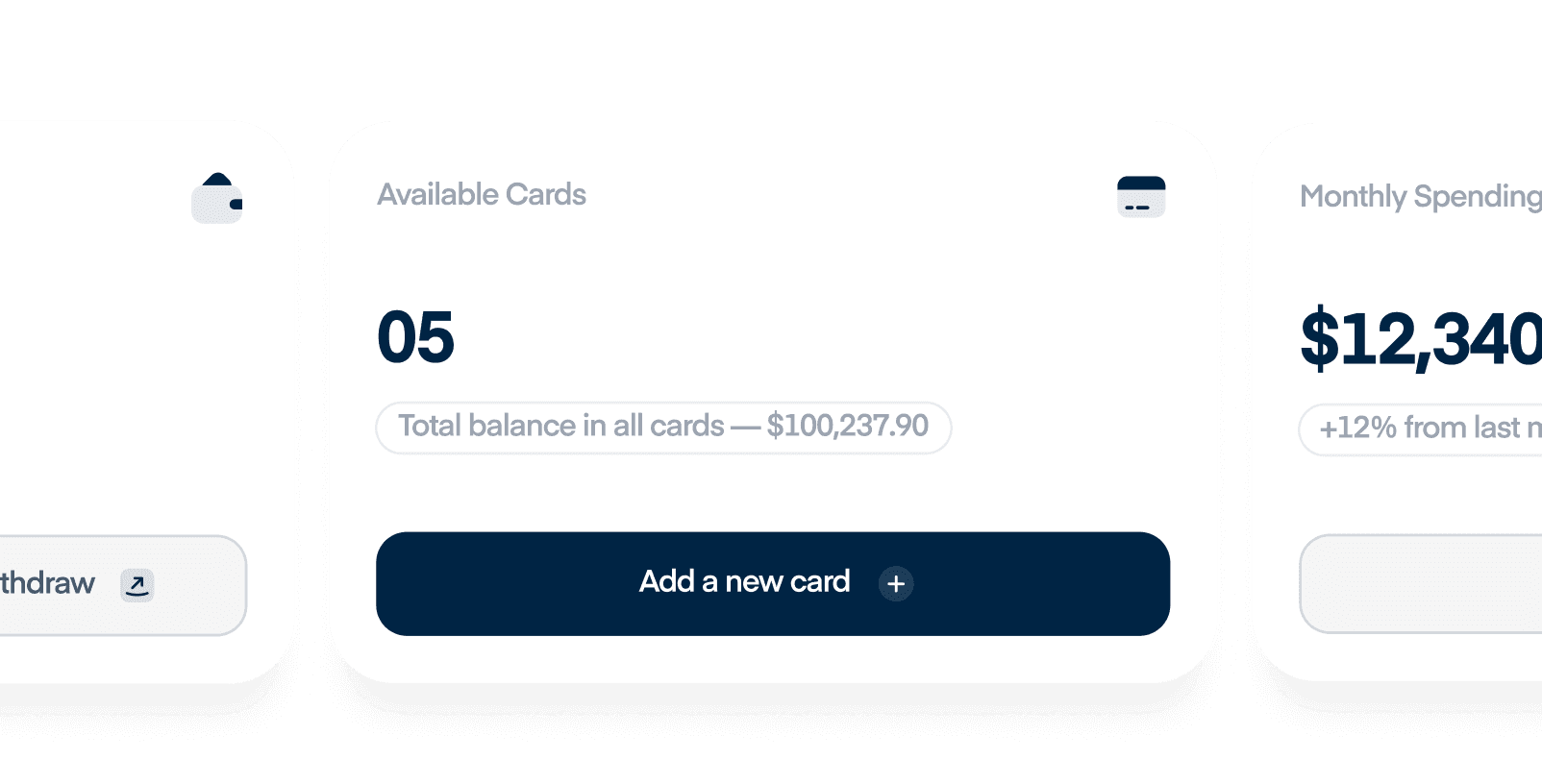
Manage Multiple Cards
Manage Multiple cards across teams and projects
Crypto funding


Fund in NGN, GHS, or Stablecoins

Team Cards
Assign cards to teams instantly
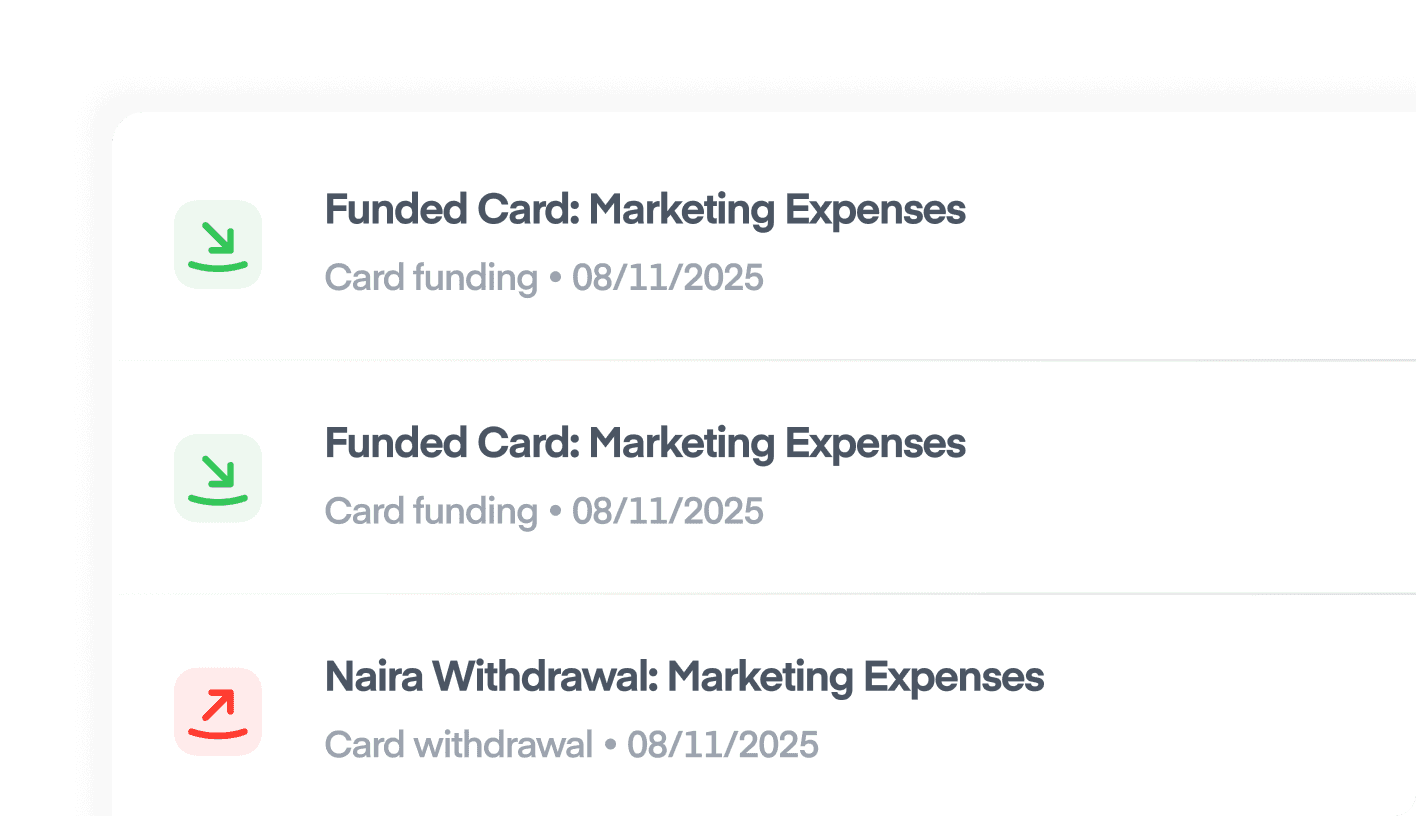
Expense Tracking
Track every expense in real time
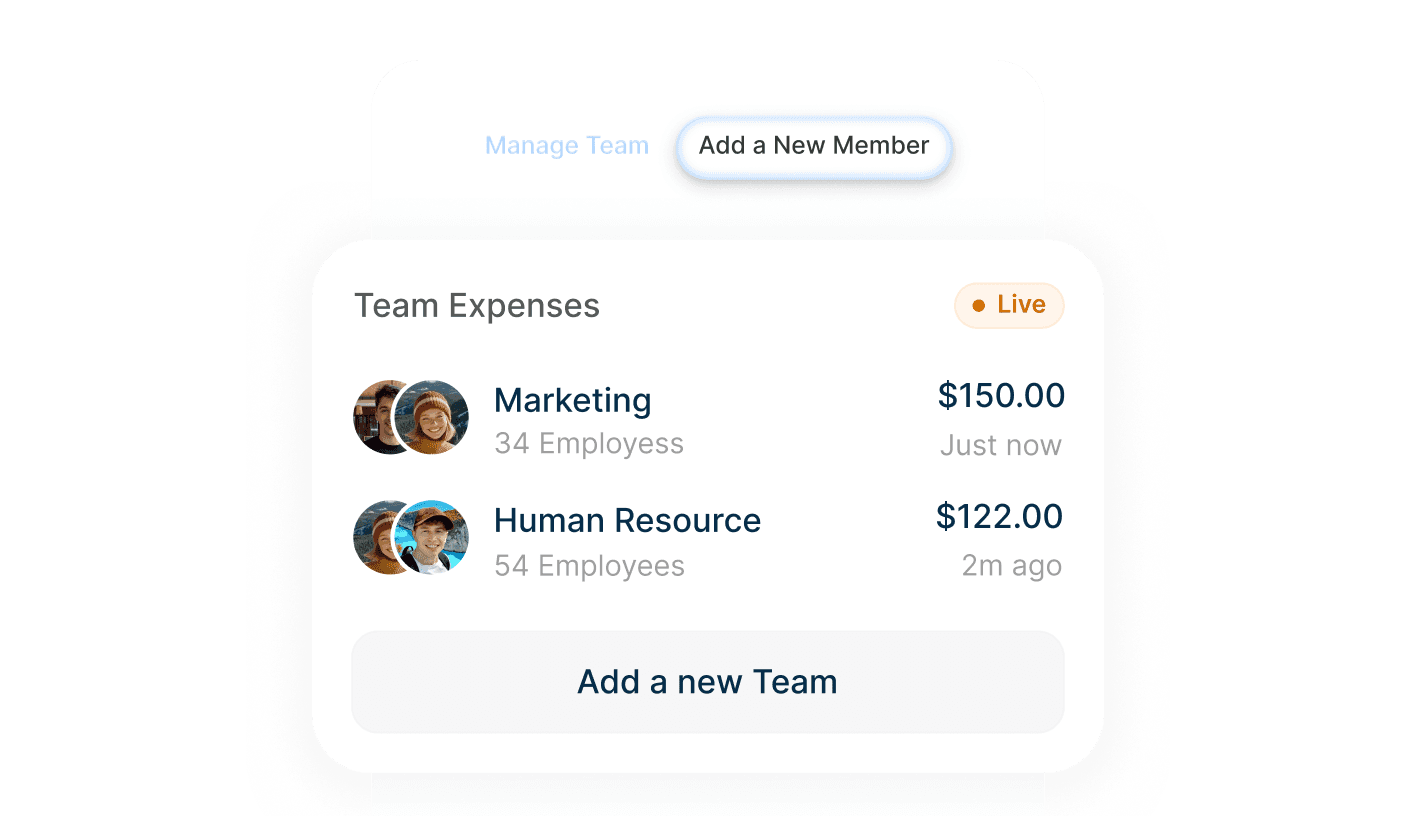
Team management
Full team management and spend oversight


Advertising