
Spend Management vs Expense Management: What's the Difference?
Learn the difference between spend management and expense management, and why growing African businesses need both for better financial control.
6 Minutes

If you've ever submitted a receipt, approved a reimbursement, or hunted down a team member for a missing invoice after a business trip, you've done expense management. It's the most visible and most talked-about part of business finance, and frankly, it's usually also the most annoying part of the job.
But expense management is not spend management. Treat them as the same thing, and you'll end up with a financial report so chaotic it tells you almost nothing about how the company actually spends money.
So in this guide, we're breaking down what actually separates the two, walking through the signs your business has outgrown the basics, and showing you how to build toward a system that can actually keep up with how your business spends.
What Is Expense Management?
Expense management is the process of tracking, approving, and reconciling costs that employees incur on behalf of the business. It simply deals with spending that has already happened and needs to be documented, approved, and filed.
The typical expense management workflow looks like this:
An employee spends money (on travel, a client lunch, a software subscription they need for a project)
They submit a receipt or expense report for reimbursement or reconciliation.
The manager approves it, finance records it, and it gets matched against the bank statement at month-end.
Essentially, expense management is all about keeping tabs on what employees spend on the business's behalf, and cleaning it up after the fact. While it focuses on streamlining these financial processes in a reactive way, it deals with only one component of the bigger financial picture.
For a small team, this system works adequately. But as a business begins to grow, expense management becomes insufficient and spend management becomes necessary.
What Is Spend Management?
Spend management, on the other hand, is the broader system that governs all company spending, not just employee-initiated expenses. It is a strategic process that involves tracking, controlling, and optimizing all business-wide spending. It covers procurement, vendor contracts, budgeting, and compliance to ensure every penny spent supports business goals.
Where expense management documents what already happened, spend management is proactive. It defines how money is allocated before it is spent, sets controls that prevent unauthorized or unplanned expenditure.
The Key Differences
Here is how the two systems differ across the dimensions that matter most for a growing African business:
Expense Management | Spend Management | |
Scope | Expense management covers employee-initiated costs (reimbursements, corporate card reconciliation, travel, meals, and ad-hoc purchases). | Spend management covers all of this, plus procurement, vendor contracts, subscriptions, ad spend, cloud infrastructure, and any other category through which money leaves the business. |
Timing | Expense management processes spending after it happens. | Spend management sets controls, limits, and approval structures before money moves. |
Visibility | Expense management gives you a view of what was spent, usually with a delay. | Spend management gives you a real-time view of what is being spent, across every category and department simultaneously. |
Who it serves | Expense management primarily serves the finance team and individual employees submitting claims. | Spend management serves the entire business: finance, management, operations, and every team that has spending authority. |
For African businesses, the more urgent challenges are often payment infrastructure like card failures on global platforms, multi-currency funding complexity, cross-border payment delays, and the absence of dedicated business-grade payment tools. These are spend management problems, not expense management problems. To address them, businesses need a system that was designed for this specific context, not adapted from a framework built for a single-currency, single-market business environment.
Does Your Business Need Expense Management, Spend Management, or Both?
Honestly, most growing African businesses need both, just in the right order. Spend management builds the framework, and expense management works a lot better once that's in place. So if you've got multiple teams spending across multiple categories already, you're probably past the point where expense management alone can hold things together.
And there are always signs that your business has outgrown expense management alone. Think about these: Your finance team spends more than two days on month-end reconciliation. You have more than one person with spending authority and no real-time view of what they are spending. You have active subscriptions that nobody has reviewed in the past six months. A card failure has interrupted an active campaign or delayed a vendor payment. You cannot produce a clean expense breakdown by department or category on demand.
If even one of those hits close to home, you’re ripe for a spend management infrastructure.
Building Toward Spend Management
The transition from expense management to spend management does not require overhauling everything at once. You can start with three foundational moves:
First, establish visibility. Before you can control spending, you need to see all of it in real time, and across every channel and category. This means switching from shared cards and manual reconciliation to a system where every transaction is captured and categorised the moment it happens.
Second, distribute payment authority with controls. Instead of centralising all spending through one card or one person, create dedicated payment methods for each team or project, with individual spend limits.
Third, build reporting into the flow. Month-end reconciliation should not be a project. It should be a report that takes minutes to generate because the data was captured correctly throughout the month. If your current system cannot produce that report on demand, the system is the problem.
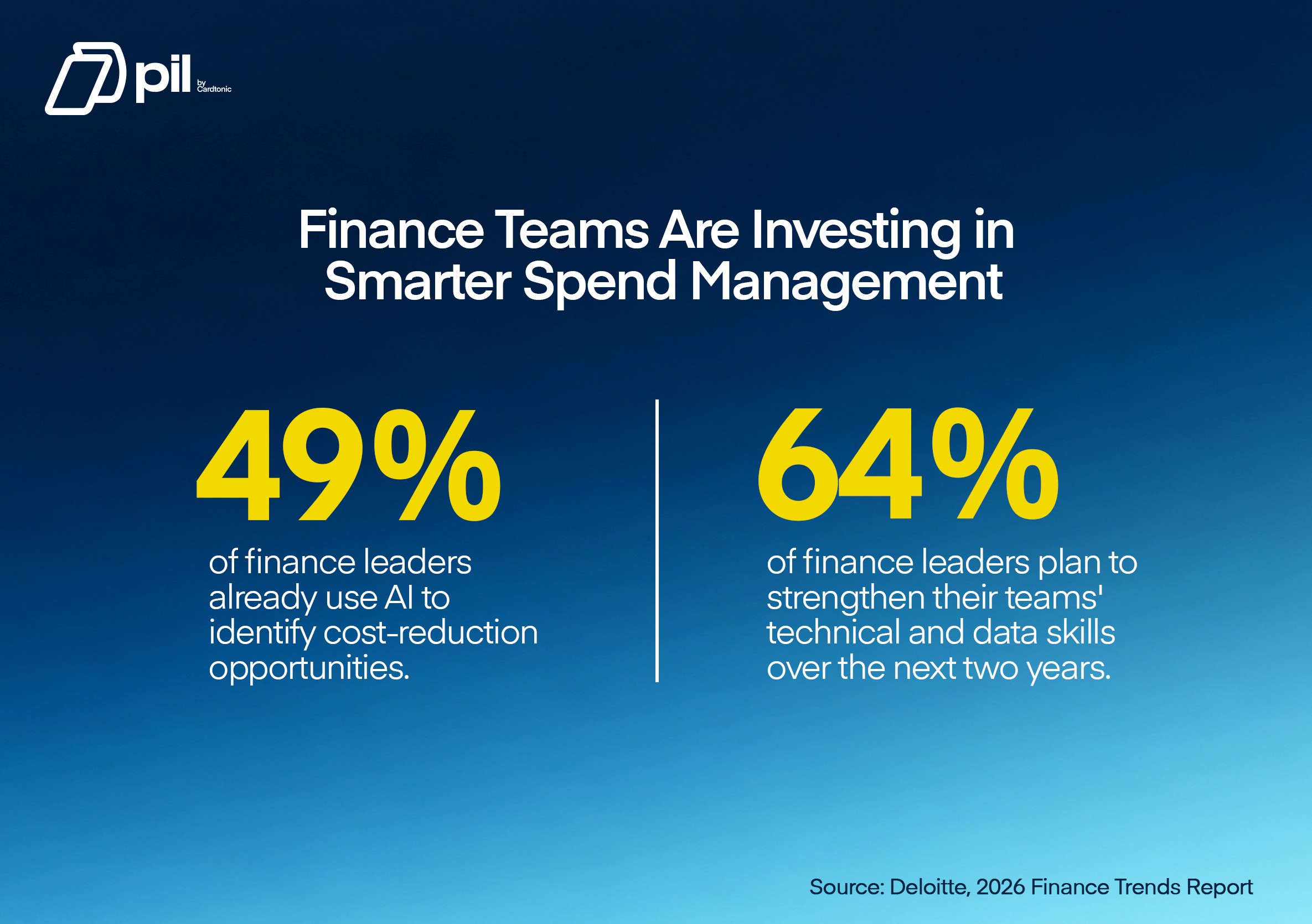
This transition from expense to spend management is really just finance growing up fast enough to keep pace with the rest of the business. Deloitte's 2026 Finance Trends report backs this up: 49% of finance leaders are already using AI to sniff out cost-reduction opportunities, and 64% plan to level up their teams' technical and data skills over the next two years. The point is businesses are investing in better visibility, stronger controls, and smarter decision-making long before expenses reach the reconciliation stage.
In other words, the smart money (literally) is on catching problems before they ever reach month-end, not cleaning them up after. Nobody wants to be the finance team still doing archaeology on last month's receipts while everyone else has moved on.
Frequently Asked Questions
Is expense management part of spend management? Yes. Expense management is a narrower, more specific concept found under spend management. While spend management focuses more on strategy to optimise spending, expense management covers employee expenses and compliance with policies.
Which should a growing African startup implement first? Most startups already have some form of expense management: receipts, approvals, reimbursements. As you grow, the urgent gap becomes spend management infrastructure: dedicated payment methods per category, real-time visibility, and controlled spending authority that does not require the founder to approve every transaction. Start with the infrastructure and expense management becomes significantly easier to manage within it.
Can one tool handle both spend management and expense management? Yes. The best spend management platforms incorporate expense management into its system.
Why do African business cards keep failing on global platforms? Most local cards carry international spending limits and are rejected by many global platforms. A business-grade virtual dollar card, funded from a local currency wallet, bypasses these restrictions and provides the payment reliability that global platforms, ad networks, and SaaS tools require.
Conclusion
At the end of the day, expense management and spend management are two layers of the same problem. One tells you what already happened. The other decides what happens next. Growing businesses don't get to pick one forever, eventually, they need both, built in the right order, with spend management as the foundation.
PIL integrates all these into one seamless platform that helps businesses make this transition. It provides virtual dollar cards with dedicated limits per team or project, a multi-currency wallet that can be funded in Naira, Cedi, or Stablecoins, real-time transaction visibility across every card, and exportable reports by card, category, and date range. It is the spend management infrastructure layer that makes expense management work the way it was always supposed to.
Author
Ayodeji Falaye
More Stories


Because payments shouldn’t hold your business back

Intuitive Navigation
Intuitive navigation: access anything in seconds
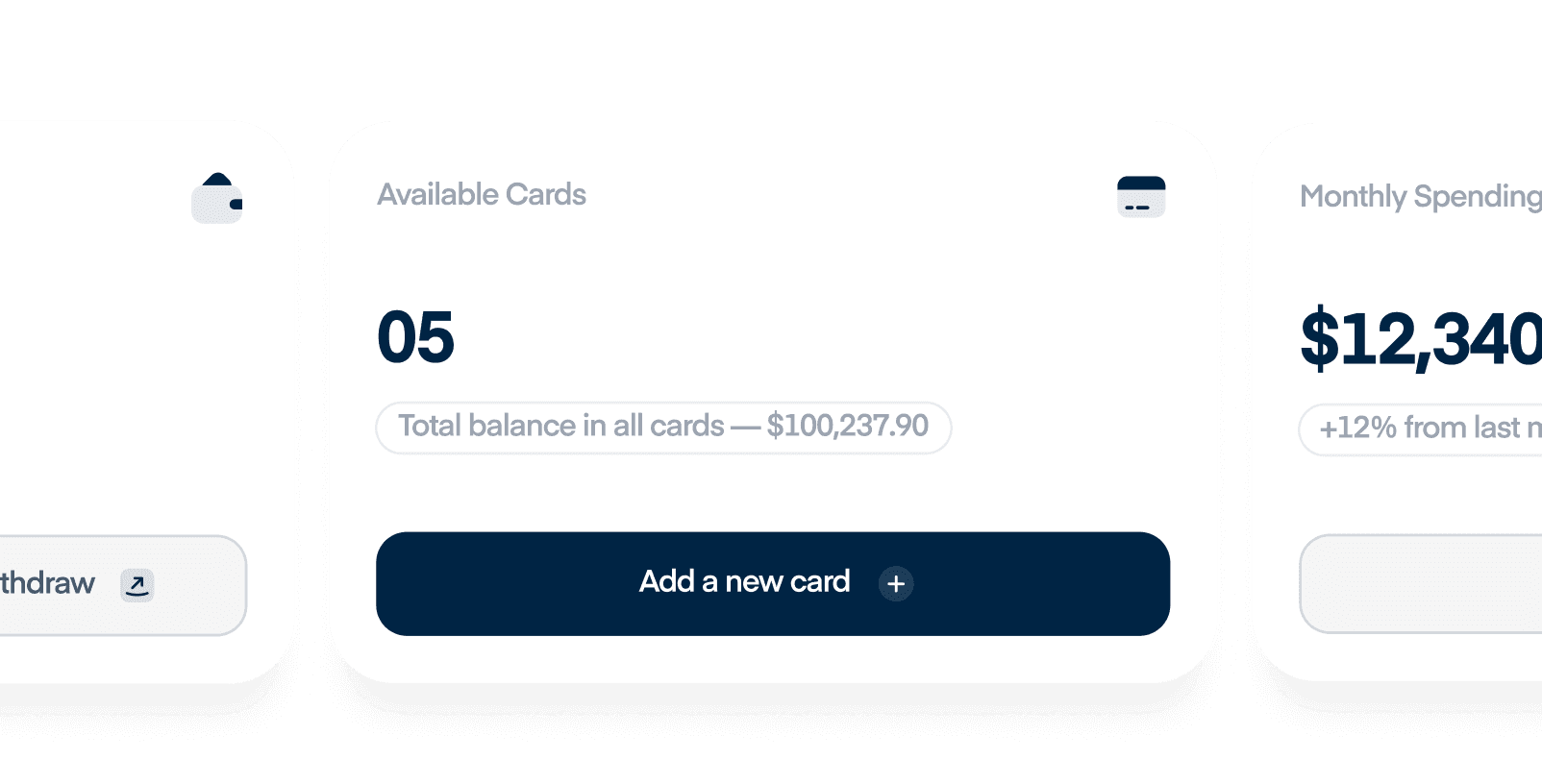
Manage Multiple Cards
Manage Multiple cards across teams and projects
Crypto funding


Fund in NGN, GHS, or Stablecoins

Team Cards
Assign cards to teams instantly
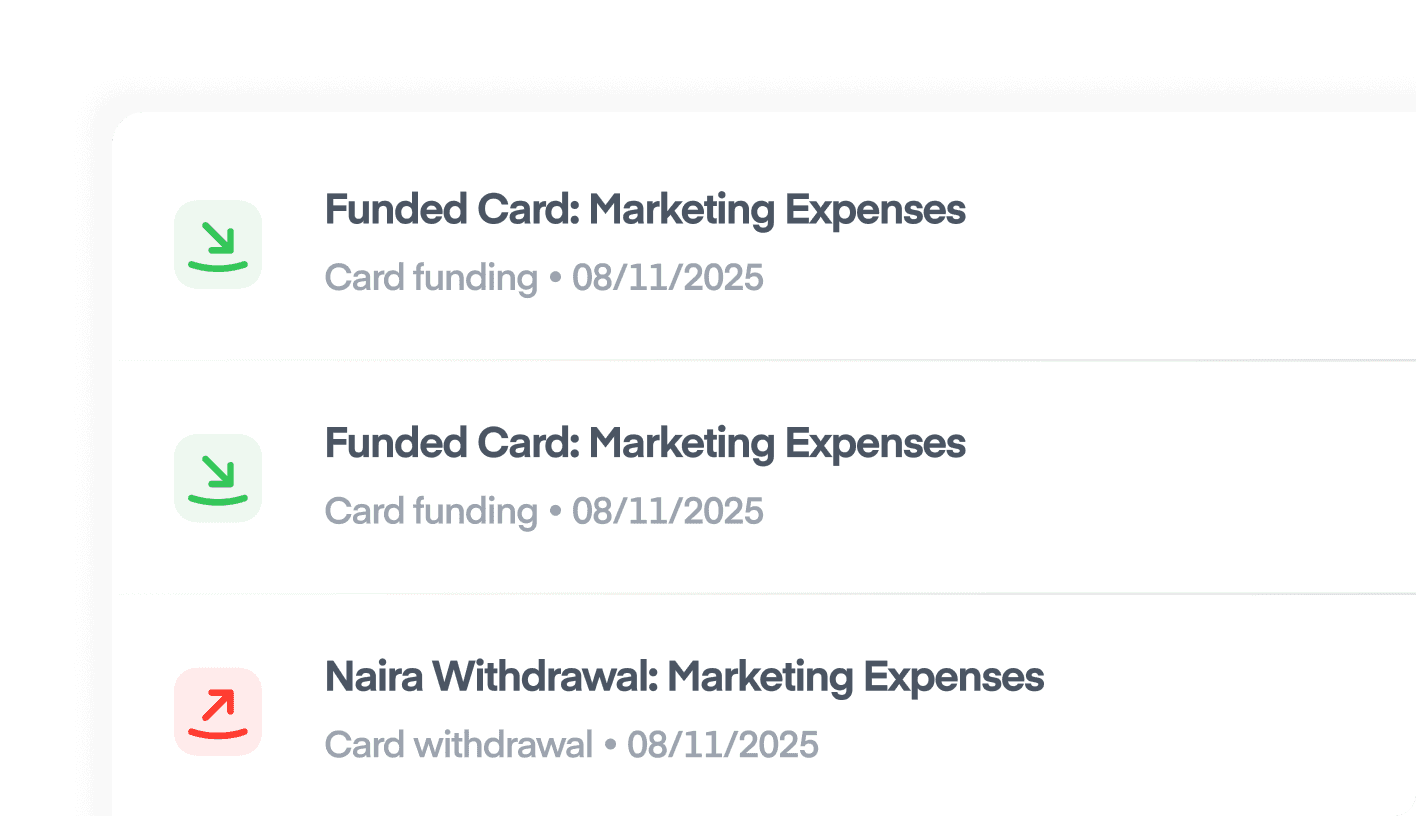
Expense Tracking
Track every expense in real time
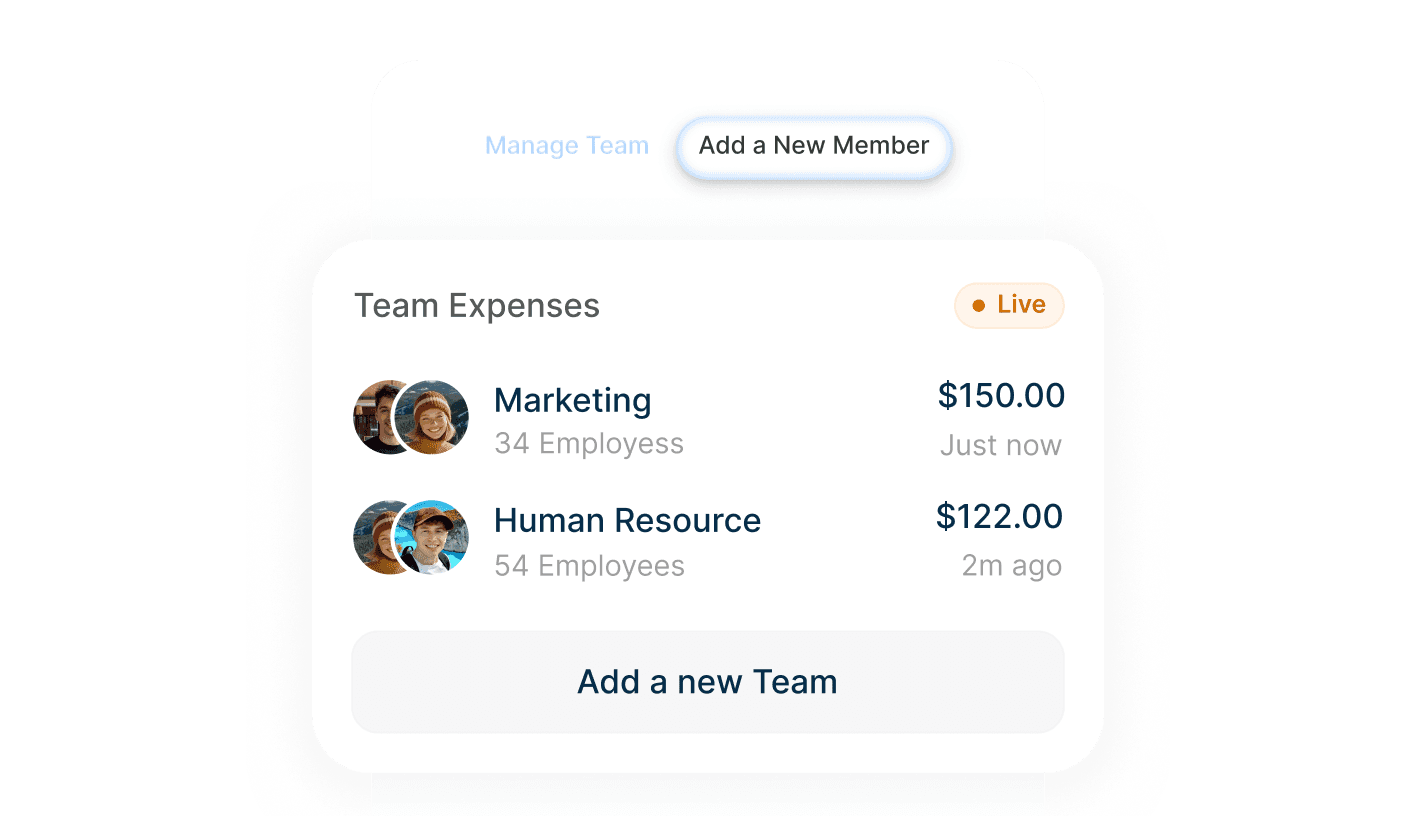
Team management
Full team management and spend oversight


Advertising