
The Hidden Cost of Decentralised Expense Reporting
Letting every team manage its own expenses feels flexible — until you add up the lost hours, missed receipts, and reconciliation chaos it creates.
9 min read

Where the cost hides
Manual expense reports consume hours of employee and finance time every month. Receipts go missing, categories are inconsistent, and reconciliation becomes a recurring scramble.
Decentralisation also creates compliance risk. Without consistent policy enforcement, out-of-policy spend slips through and is only caught — if at all — long after the fact.
Centralise without slowing down
The goal isn’t to take control away from teams; it’s to give them spend power inside automatic guardrails. Policy lives in the system, not in a PDF nobody reads.
Pil centralises every transaction while letting teams move fast. Receipts are captured at purchase, spend is categorised automatically, and finance sees everything in one place.
Conclusion
Decentralised expense reporting trades short-term flexibility for long-term drag. Centralise the data, automate the policy, and give everyone their time back.

Author
Taiwo Jegede
More Stories



Because payments shouldn’t hold your business back

Intuitive Navigation
Intuitive navigation: access anything in seconds
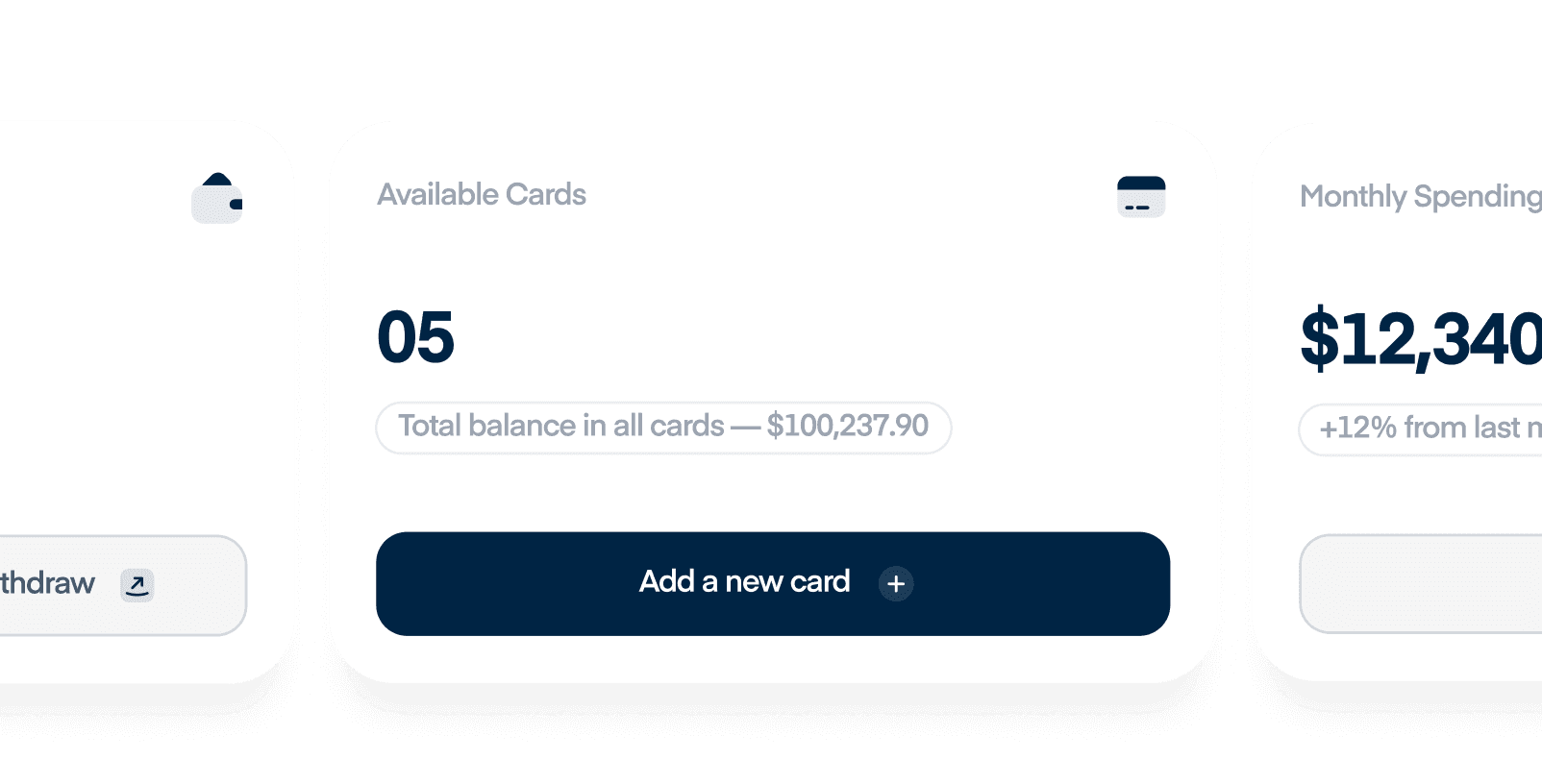
Manage Multiple Cards
Manage Multiple cards across teams and projects
Crypto funding


Fund in NGN, GHS, or Stablecoins

Team Cards
Assign cards to teams instantly
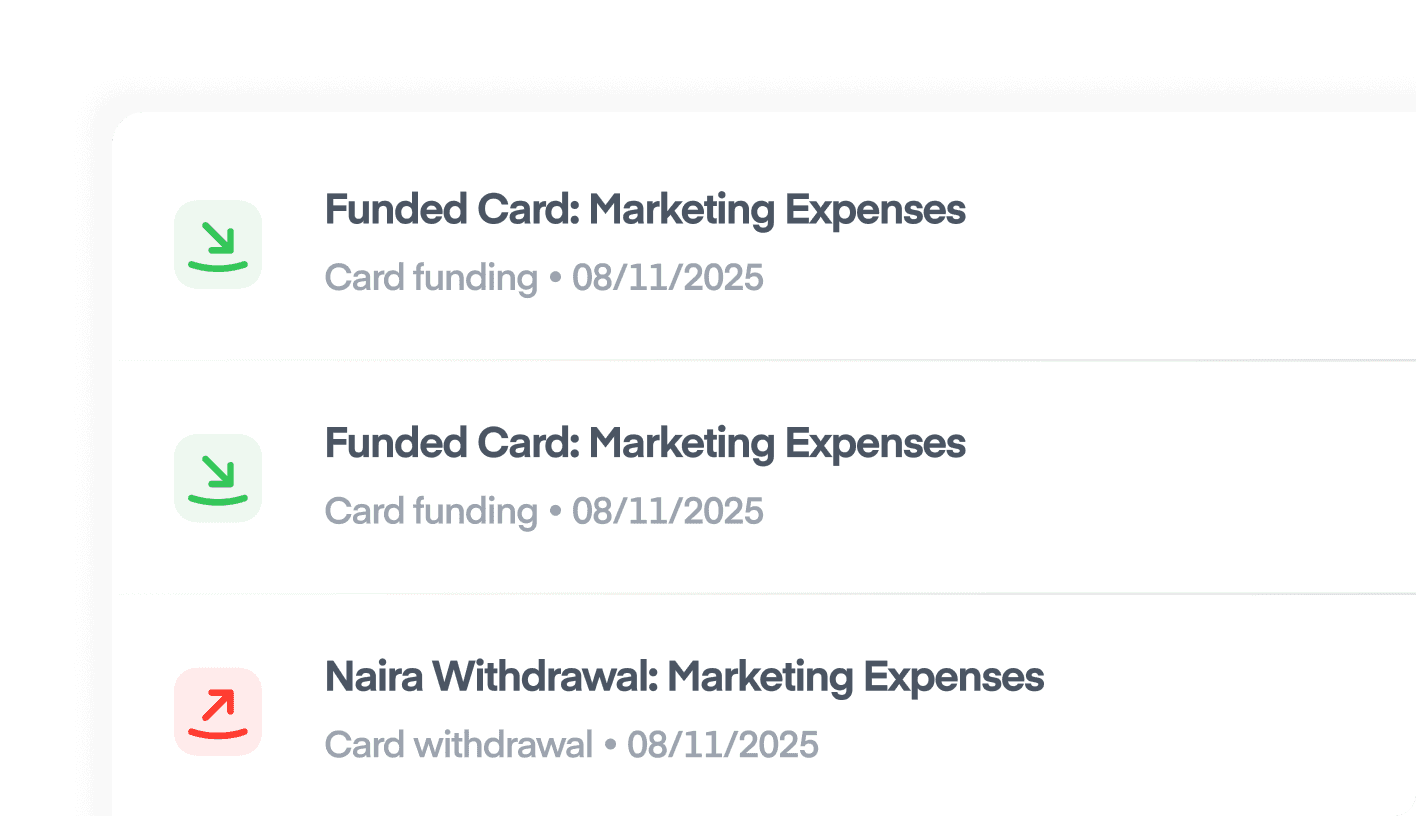
Expense Tracking
Track every expense in real time
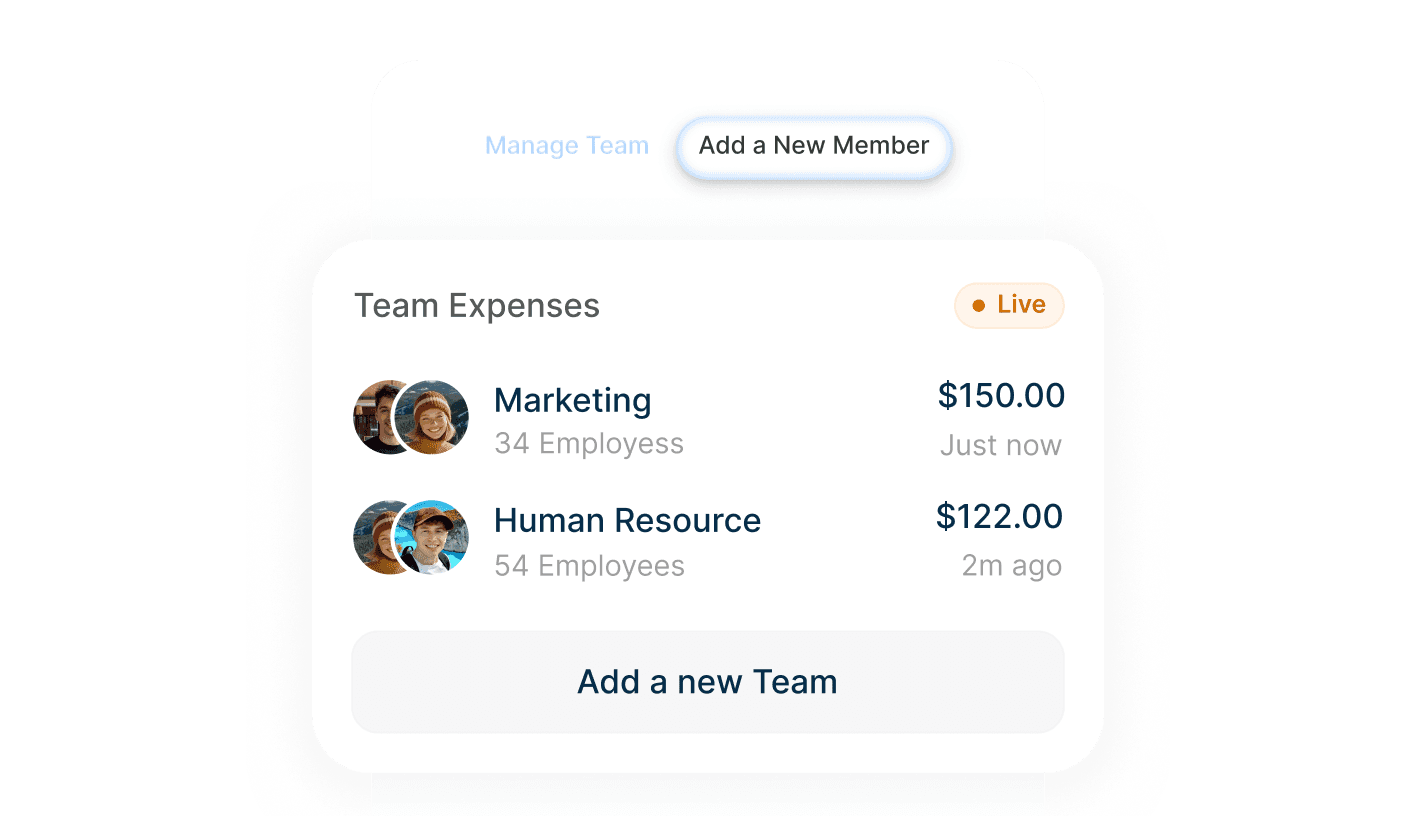
Team management
Full team management and spend oversight


Advertising