Soft rainbow light beams background

Approval Bottlenecks Are Costing You More Than You Think

Every extra approval step in your spend process adds delay, frustration, and hidden cost. Here's how leading finance teams remove friction without losing control.

9 min read
Where bottlenecks really come from

Most approval friction is structural, not behavioural. Spend requests get routed through a single overloaded approver, sit in email threads, or require manual reconciliation after the fact. Each handoff is a chance for the request to stall.

The teams that move fastest replace ad-hoc approvals with policy. Limits, categories, and vendor rules are set once, then enforced automatically on every card and transaction.

Designing controls that scale

Start by mapping which purchases genuinely need a human decision and which can be governed by a rule. Recurring SaaS renewals, ad spend within budget, and small reimbursements rarely need a manager’s eyes — they need guardrails.

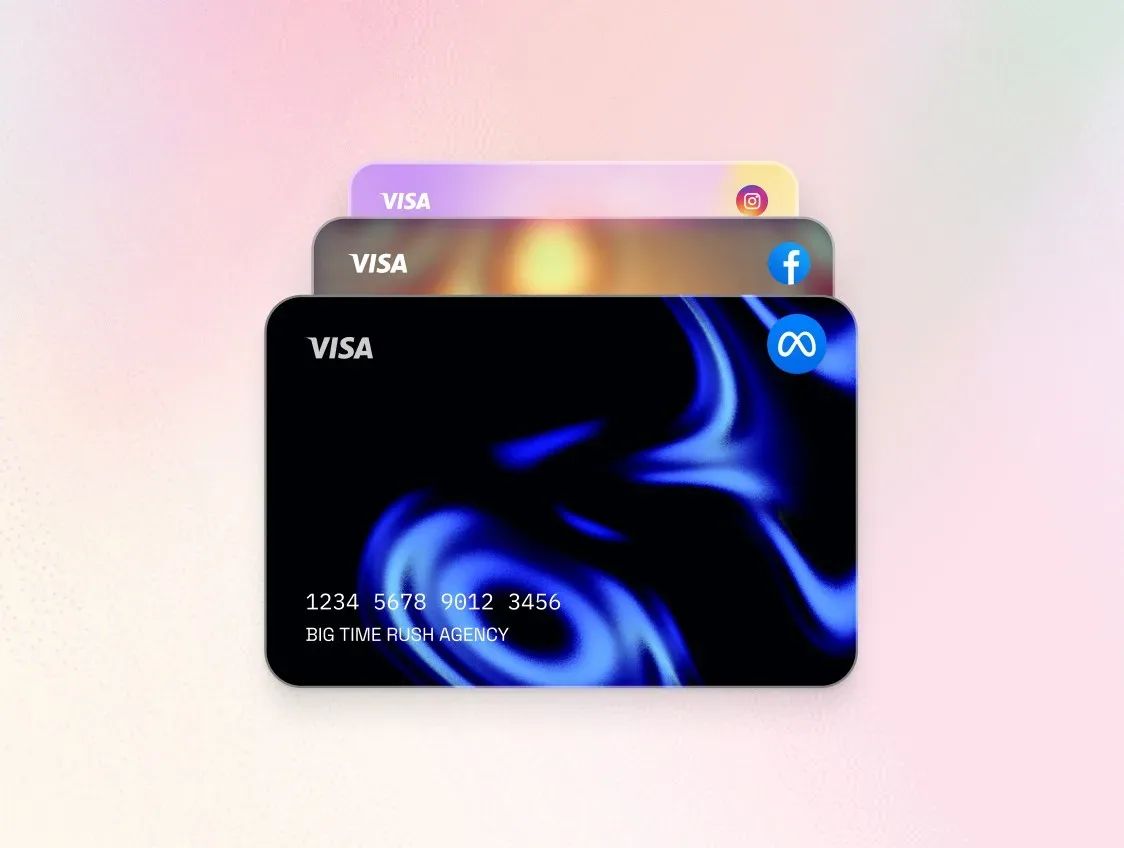
With Pil, you can issue virtual cards with built-in spend limits per team, vendor, or project. Approvals only surface for the exceptions, so your finance team reviews what matters instead of rubber-stamping the routine.

Conclusion

Approval bottlenecks are a design problem, not a discipline problem. Move policy upstream, automate the predictable, and reserve human judgment for genuine exceptions — and you’ll cut cycle times without giving up control.

Author

Taiwo Jegede

The Spend OS for

The Spend OS for

Global Business

Global Business

Because payments shouldn’t hold your business back

Pil dashboard sidebar navigation showing Overview, My Cards, Wallet, Transactions and User Access

Intuitive Navigation

Intuitive navigation: access anything in seconds
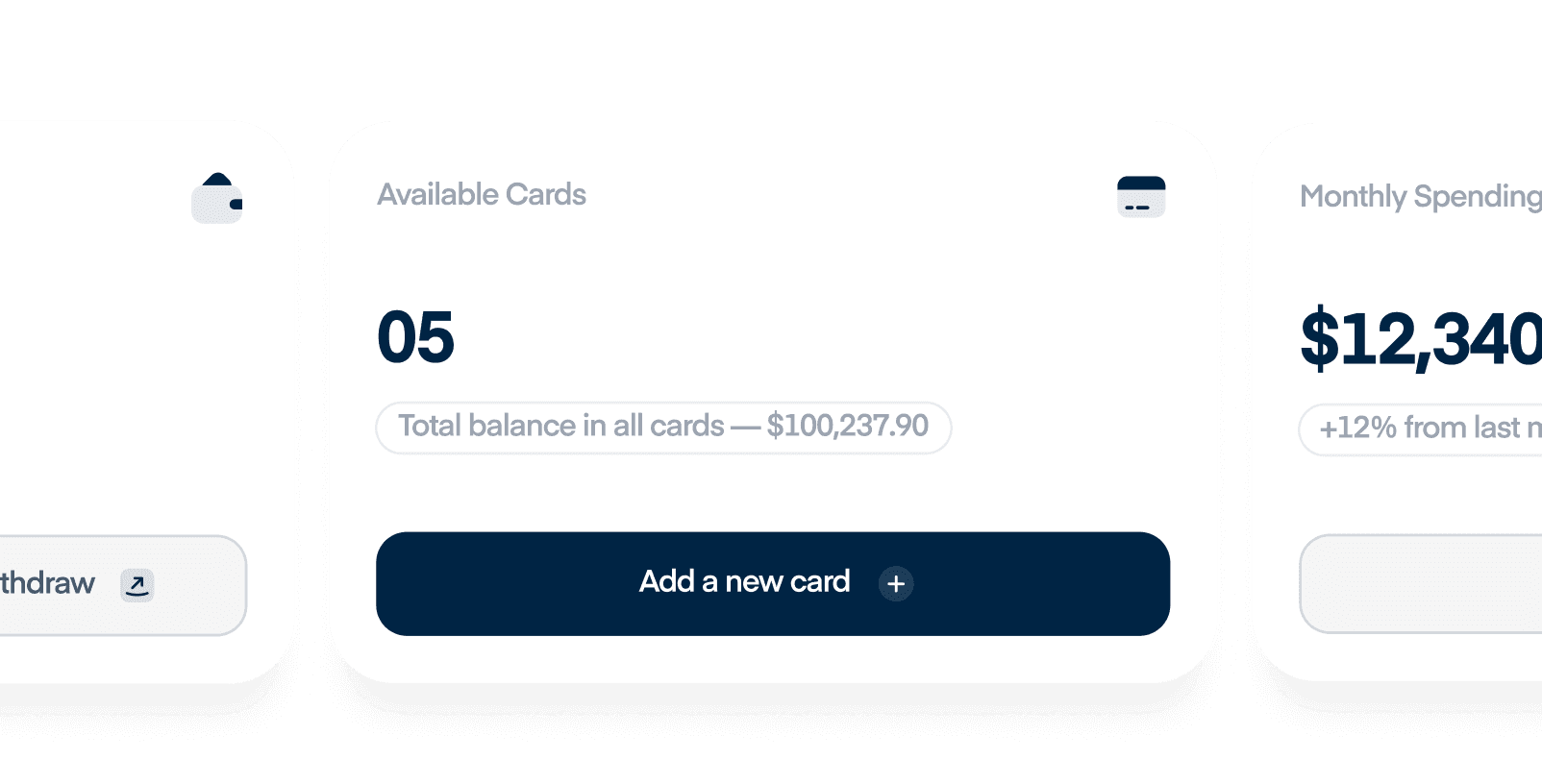
Pil dashboard card showing 5 available cards with a total balance of $100,237.90 and an Add a new card button

Manage Multiple Cards

Manage Multiple cards across teams and projects

Crypto funding

Fund With USDC button shown in light and filled blue states
Naira, Cedi and US Dollar currency icons on a dark blue panel

Fund in NGN, GHS, or Stablecoins

Available cards panel listing Travel & Entertainment, Software Subscriptions and Marketing Expenses with a $51,403.30 balance

Team Cards

Assign cards to teams instantly
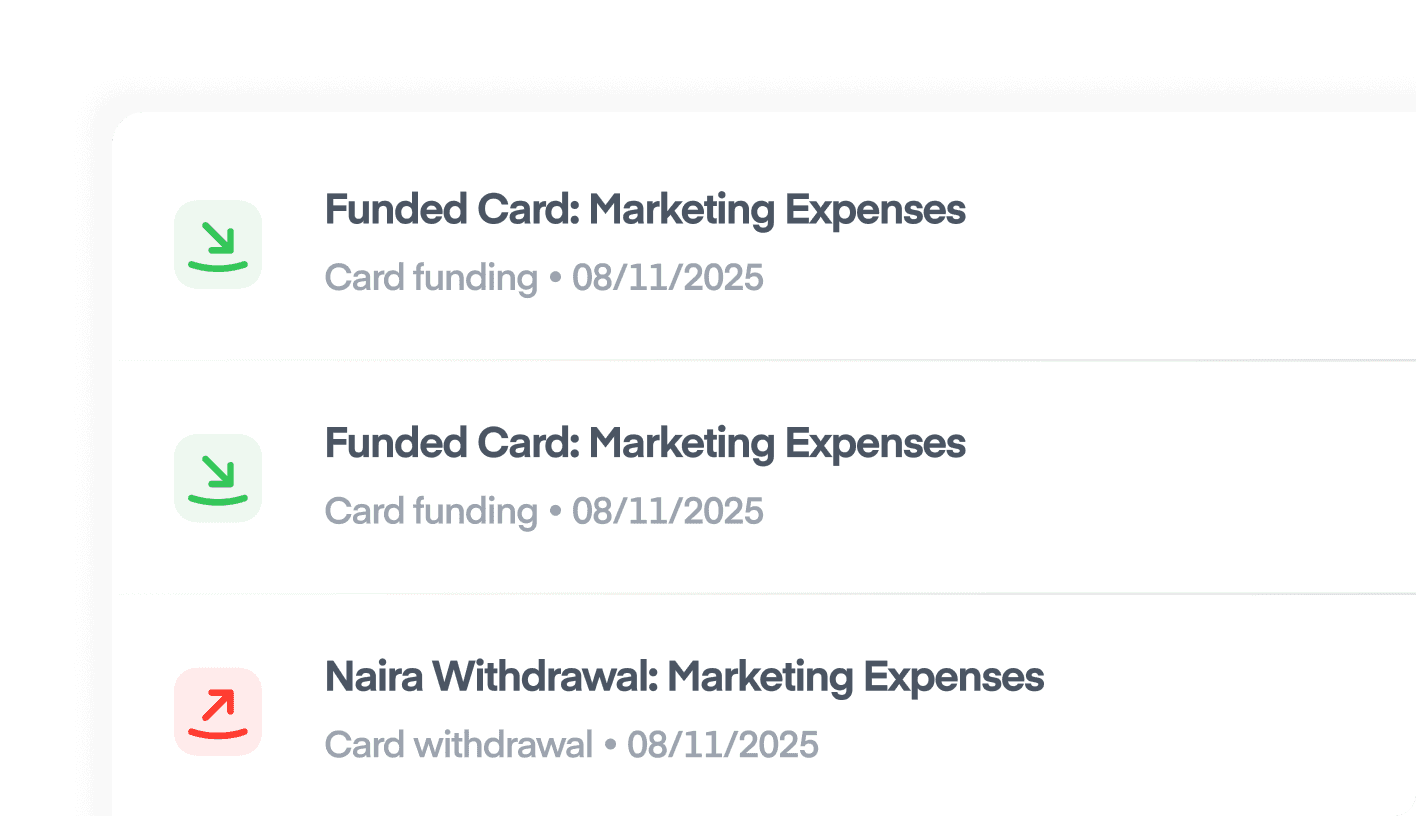
Transaction history list showing card funding and Naira withdrawal entries for Marketing Expenses

Expense Tracking

Track every expense in real time
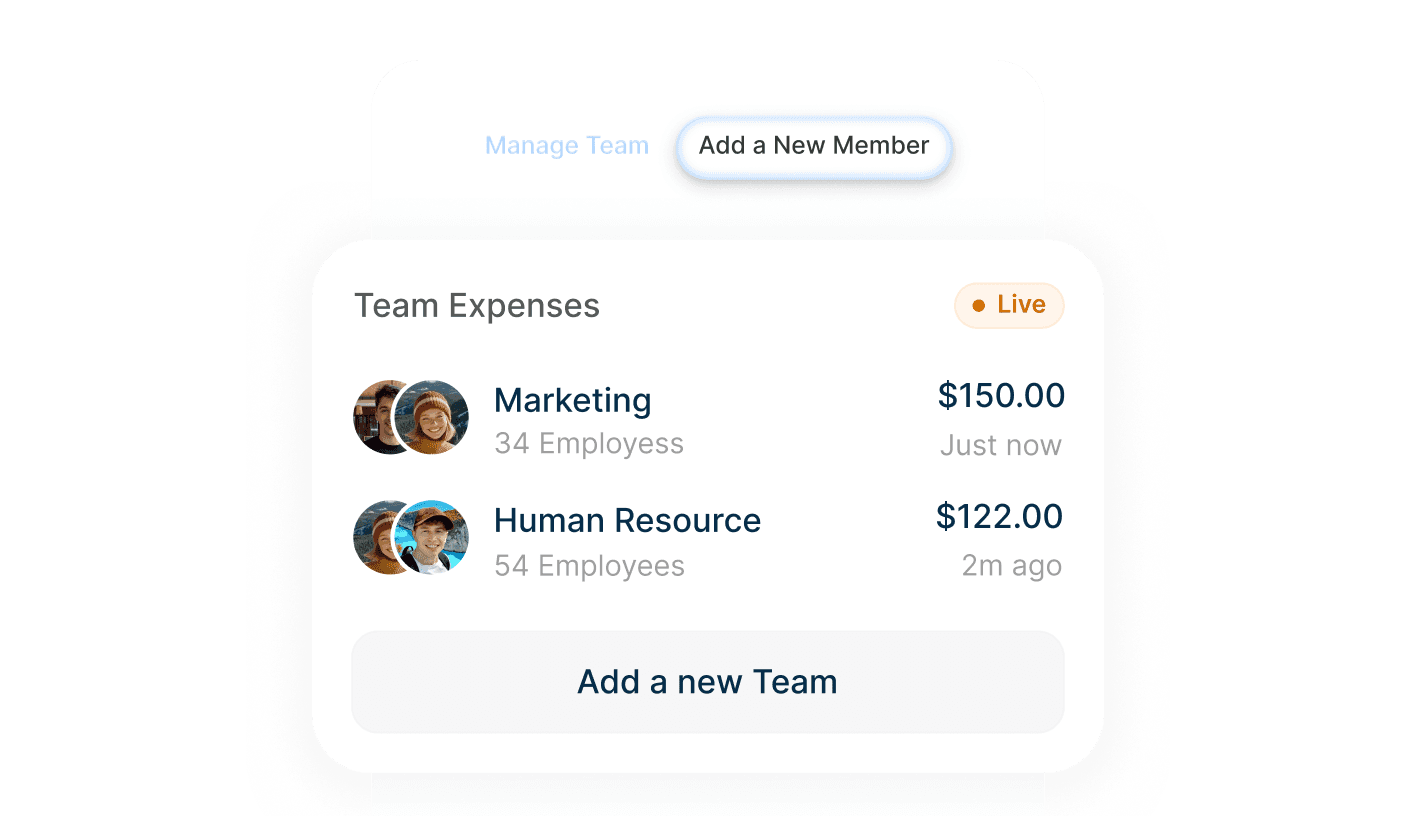
Team expenses panel showing Marketing and Human Resource teams with spend amounts and an Add a new Team button

Team management

Full team management and spend oversight

Click cursor pointer icon

Spend management out of the box

Close-up of a blue Pil virtual card with a video play button

Watch Demo

Logos of brands supported by Pil including Adobe, Meta, Booking.com, Slack, Google, DigitalOcean, Facebook, Intercom, Amazon, LinkedIn, Coursera, MongoDB and AWS

Pay on 12,900+ platforms...

Three stacked silver coins
Three silver coins floating

Pil is operated by Pilpay Technologies Ltd in Canada and Tonic Technologies Limited in Nigeria — financial technology companies, not banks, brokers, or investment advisers. Card, wallet, and USD payment services are facilitated through licensed partners. Product availability may vary by market and partner service coverage.


Pil is PCI DSS compliant and committed to the secure processing and protection of user data. Your data is processed and protected in accordance with applicable data protection laws and regulations. All rights relating to data published on this platform are reserved.


Wallets are funded with US dollar–pegged stablecoins (such as USDT and USDC). While these assets are designed to maintain a stable value, conversion rates may vary at the time of funding or payout. Pil does not provide any investment, trading, or financial advice, and nothing on this platform should be taken as such.

Pil is operated by Pilpay Technologies Ltd in Canada and Tonic Technologies Limited in Nigeria — financial technology companies, not banks, brokers, or investment advisers. Card, wallet, and USD payment services are facilitated through licensed partners. Product availability may vary by market and partner service coverage.


Pil is PCI DSS compliant and committed to the secure processing and protection of user data. Your data is processed and protected in accordance with applicable data protection laws and regulations. All rights relating to data published on this platform are reserved.


Wallets are funded with US dollar–pegged stablecoins (such as USDT and USDC). While these assets are designed to maintain a stable value, conversion rates may vary at the time of funding or payout. Pil does not provide any investment, trading, or financial advice, and nothing on this platform should be taken as such.